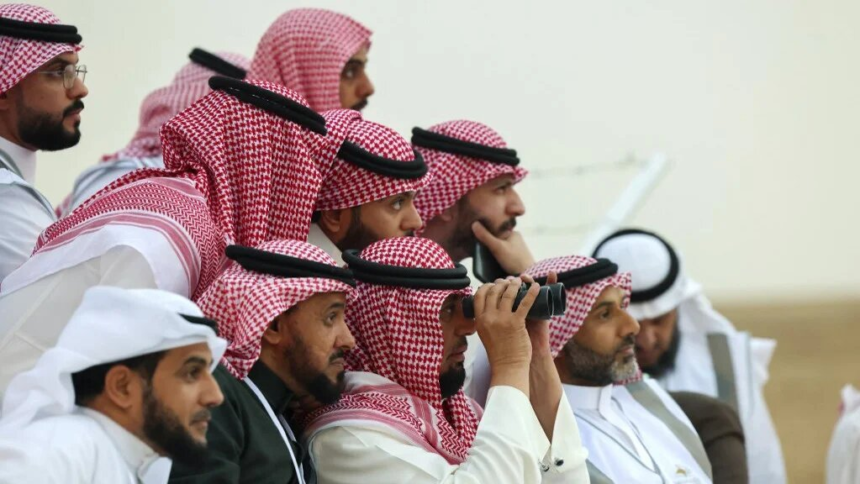
Ramadan Moon Sighting 2026: 5 Reasons Why the UAE May Differ from Saudi Arabia
Ramadan moon sighting 2026 sparks debate as the UAE may differ from Saudi Arabia on the holy month’s start date, raising questions for Muslims worldwide
As Muslims around the world prepare for the arrival of Ramadan in 2026, attention is once again turning toward one of the most closely watched annual traditions—the moon sighting that determines the start of the holy month. This year, speculation is growing over whether the United Arab Emirates could begin Ramadan on a different date than Saudi Arabia, potentially breaking with a long-standing alignment between the two nations.
The possibility of differing start dates has sparked widespread discussion among religious scholars, astronomers, and Muslim communities globally, highlighting the ongoing debate between traditional moon sighting practices and modern astronomical calculations.
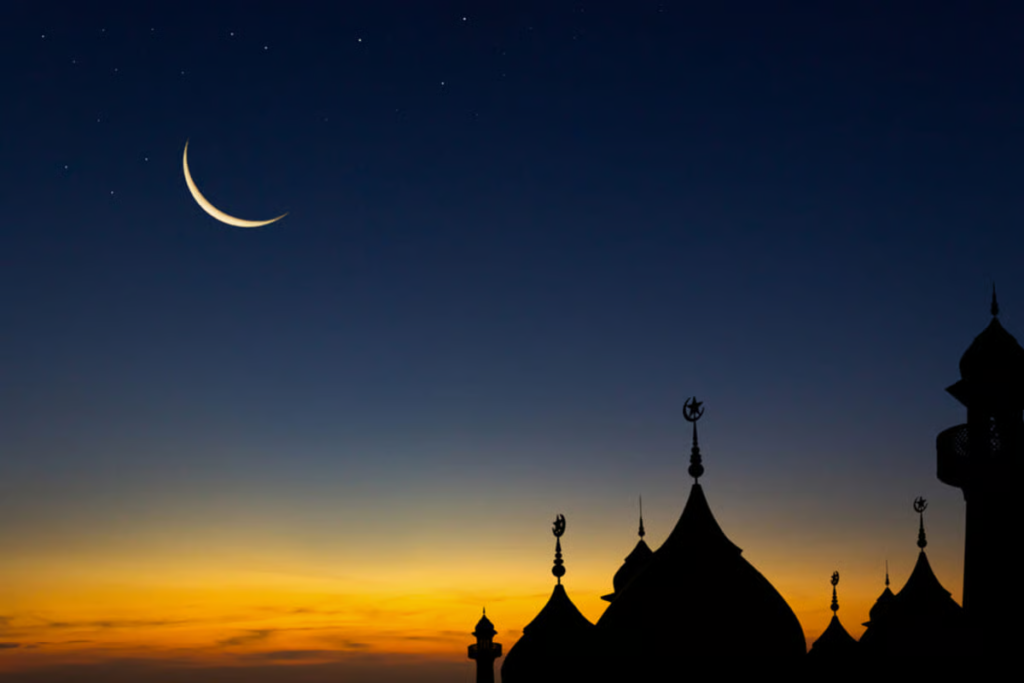
Ramadan begins with the sighting of the crescent moon, marking the start of the ninth month in the Islamic lunar calendar. Unlike the Gregorian calendar, the Islamic calendar is based on lunar cycles, making moon sighting a critical religious event.
Because lunar months are either 29 or 30 days long, the exact start of Ramadan cannot be fixed far in advance. Instead, it depends on whether the crescent moon is sighted after sunset on the 29th day of Sha’ban, the month preceding Ramadan.
This reliance on moon sighting explains why start dates sometimes vary between countries and even within regions.
In recent years, the UAE has increasingly leaned on astronomical calculations to support moon sighting decisions. While traditional visual confirmation remains important, authorities in the country often incorporate scientific data to enhance accuracy.
Astronomical models can predict the visibility of the crescent moon with high precision, allowing governments to prepare announcements in advance. This approach is seen by some scholars as a way to minimize confusion and ensure consistency.
If the UAE follows astronomical projections that differ from Saudi Arabia’s decision, it could lead to different Ramadan start dates.
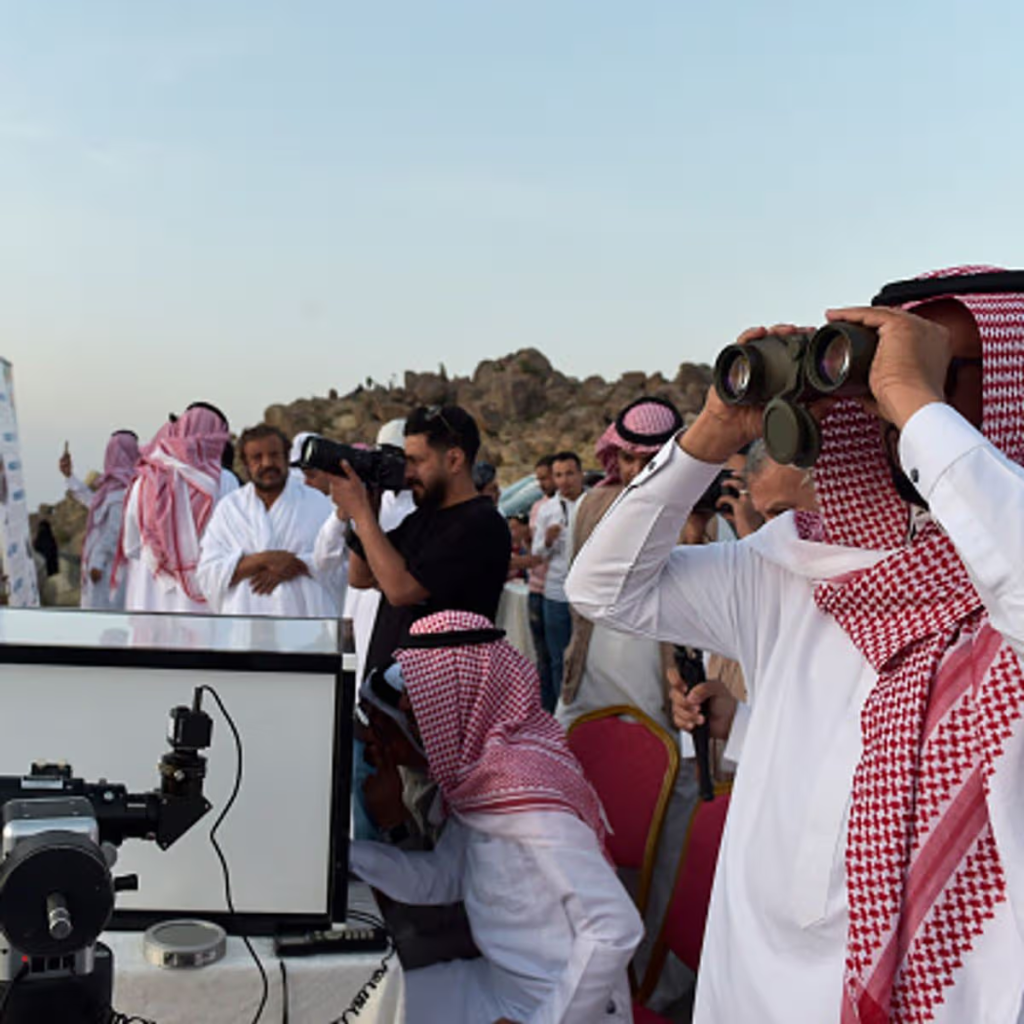
Saudi Arabia traditionally relies heavily on physical moon sightings, often confirmed by testimonies of observers across the kingdom. The country’s decision carries significant global influence because it is home to Islam’s two holiest sites—Mecca and Medina.
Many Muslim-majority nations and communities historically follow Saudi Arabia’s announcements, viewing them as authoritative due to the kingdom’s religious significance.
However, this approach sometimes leads to variations when other countries adopt different methodologies.
Differences in Ramadan start dates are not new and can arise due to several factors:
- Geographical variations in moon visibility
- Weather conditions affecting observation
- Different religious interpretations of moon sighting rules
- Use of astronomical calculations vs visual sightings
- Local religious authority decisions
Even within the same country, local communities sometimes follow different moon sighting announcements, reflecting the diversity of Islamic jurisprudence.
Astronomers suggest that the crescent moon in 2026 may present borderline visibility conditions in certain regions. This means some countries might be able to sight the moon while others may not.
If the moon is visible in parts of the Middle East but not across all regions, authorities could issue differing rulings. In such cases, the UAE may rely more heavily on scientific calculations, while Saudi Arabia may prioritize verified sightings.
This divergence could result in Muslims observing the first day of Ramadan on different dates.
A difference between the UAE and Saudi Arabia would have ripple effects across Muslim communities worldwide. Many countries and diaspora populations look to Gulf nations for guidance on religious observances.
In regions like South Asia, Europe, and North America, mosques and Islamic councils often choose whether to follow local sightings, Saudi Arabia, or regional authorities.
A split could therefore lead to varying start dates even within the same cities, as communities follow different rulings.
Islamic scholars remain divided on the issue of moon sighting methodology. Some emphasize strict adherence to physical sighting, citing traditional interpretations of prophetic teachings. Others support integrating astronomical data, arguing that science can enhance accuracy without contradicting religious principles.
Modern debates often revolve around whether global moon sighting should be unified or localized. Some scholars advocate for a unified global calendar, while others believe local sightings preserve the authenticity of the tradition.
This theological diversity contributes to recurring debates each Ramadan season.
Ramadan is not only a religious observance but also a deeply cultural and social event. From communal prayers and charity drives to family gatherings and festive markets, the holy month shapes daily life across Muslim societies.
Differing start dates can sometimes create confusion in multinational communities. For example, families living in different countries may begin fasting on separate days, affecting shared celebrations and travel plans.
In the digital age, social media amplifies these differences, with moon sighting announcements trending globally within minutes.
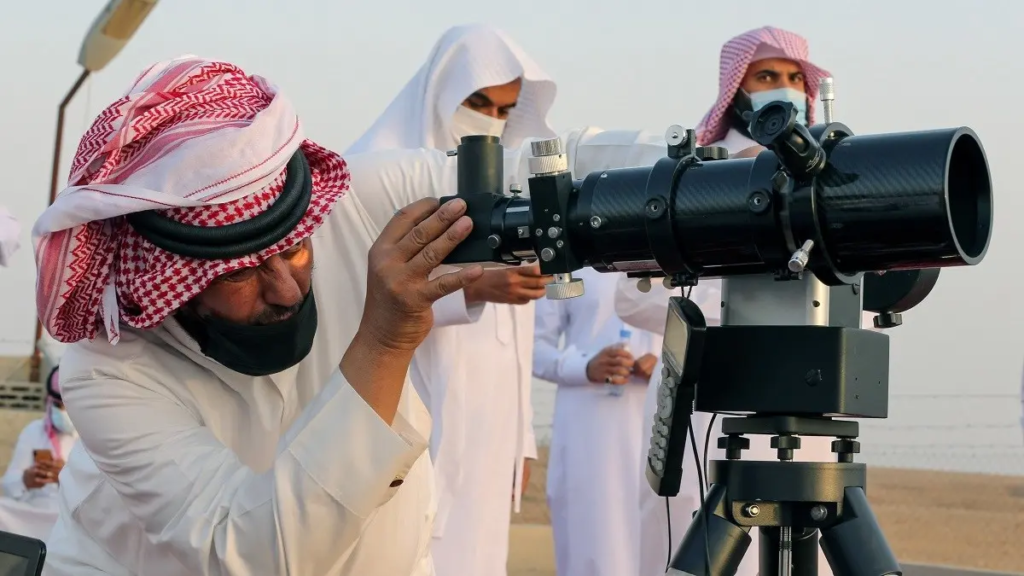
Advances in technology have transformed how moon sightings are tracked and shared. High-resolution telescopes, satellite imaging, and digital reporting tools have made it easier to verify sightings.
Mobile apps and live streams now allow people to follow moon sighting updates in real time. This has increased transparency but also intensified debates, as conflicting reports spread quickly online.
Some experts believe technology could eventually pave the way for a standardized global Islamic calendar, though consensus remains elusive.
If the UAE chooses a different Ramadan start date than Saudi Arabia, it would reflect the country’s evolving approach to religious governance. The UAE has often positioned itself as a modern, globally connected nation balancing tradition with innovation.
A divergence would not necessarily signal a religious disagreement but rather a methodological difference in determining the lunar calendar.
Observers note that similar differences have occurred in the past without long-term controversy, suggesting that such variations are part of the broader Islamic tradition.
For Muslims eagerly awaiting Ramadan, the key takeaway is that official announcements will ultimately determine the start date in each country. Religious authorities typically issue decisions shortly after sunset on the relevant moon sighting evening.
Mosques and community organizations usually align with national or regional announcements, providing clarity for worshippers.
In practical terms, Muslims are advised to follow their local religious authorities to maintain unity within their communities.
Regardless of the moon sighting outcome, preparations for Ramadan are already underway in many parts of the world. Markets are stocking up on traditional foods, mosques are organizing prayer schedules, and charities are planning donation drives.
The spiritual essence of Ramadan—fasting, prayer, reflection, and charity—remains unchanged regardless of differing start dates.
For many believers, the anticipation of the holy month is as meaningful as the observance itself.
Read Also : Result Sheets Tampered’: 5 Explosive Claims by Jamaat Ameer That Spark Election Storm