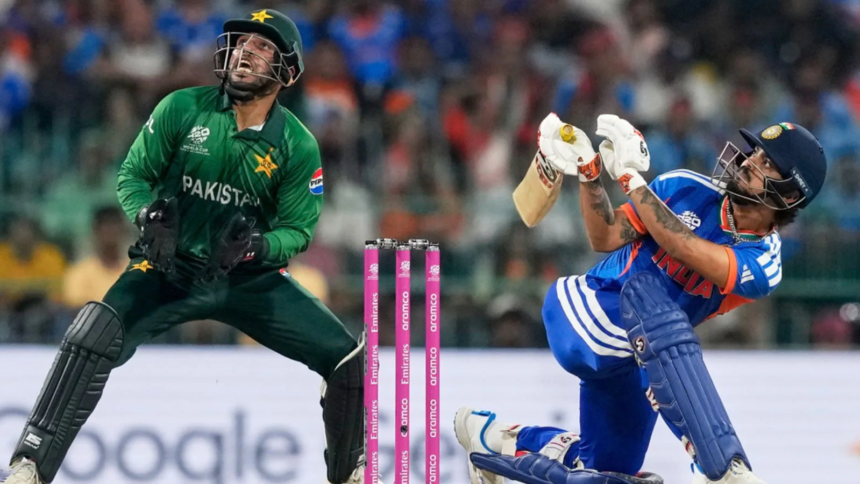
Redemption Night: 5 Reasons Ishan Kishan Shone Amid the Frenzy
Ishan Kishan delivers a stunning redemption performance, staying calm amid chaos and silencing critics with a defining knock that turned pressure into triumph
Cricket often thrives on chaos — roaring crowds, relentless pressure, and the weight of expectations that can either make or break a player. On a night filled with noise and scrutiny, Ishan Kishan found something rare: stillness. In a performance that felt less like a comeback and more like a statement, the dynamic wicketkeeper-batter delivered a redemption story that resonated far beyond the scoreboard.
It wasn’t just about runs. It was about reclaiming identity, silencing doubt, and reminding the cricketing world why he remains one of the most exciting talents of his generation.
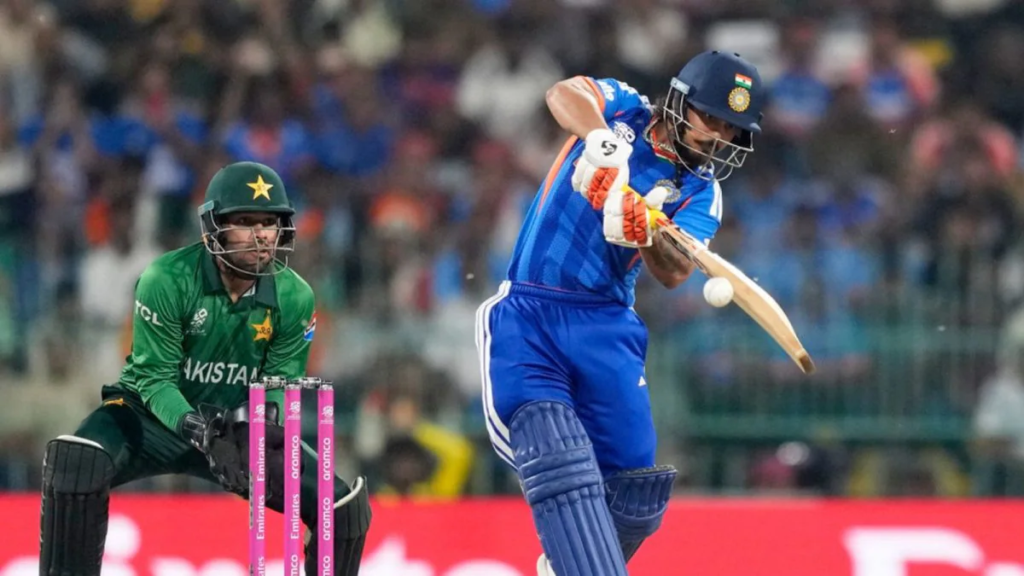
Leading into the match, the spotlight on Ishan Kishan was intense. Questions had followed him for months — about form, consistency, and his place in a fiercely competitive cricketing ecosystem. In modern cricket, where performances are dissected in real time across television panels and social media platforms, every innings carries amplified consequences.
The noise wasn’t just external. For a player known for his aggressive style, the challenge was also internal: balancing instinct with composure. Would he play fearless cricket or fall into the trap of overthinking?
As it turned out, he chose something far more powerful — clarity.
From the moment he walked onto the field, there was a noticeable shift in body language. Gone was the restless urgency that sometimes defined his innings in the past. Instead, there was stillness — the kind that elite athletes find when they are fully present in the moment.
While the stadium buzzed with energy and anticipation, Kishan appeared anchored. His movements were measured, his reactions controlled, and his decision-making sharp. It was as if he had tuned out the noise, focusing only on the ball, the bat, and the rhythm of the game.
This composure became the foundation of his redemption.
Traditionally celebrated for explosive strokeplay, Kishan’s innings on this night showcased a different dimension of his game. The aggression was still there, but it was layered with maturity.
He picked his moments carefully:
- Rotating strike when boundaries weren’t flowing
- Punishing loose deliveries without forcing shots
- Showing patience against tight bowling spells
This balance between restraint and intent transformed his innings into something more meaningful than just a high-scoring performance. It became a demonstration of evolution — proof that he could adapt, absorb pressure, and build an innings with intelligence.

In modern sport, redemption rarely comes through press conferences or statements. It arrives through performance. And Kishan’s knock spoke volumes.
Criticism in cricket can be unforgiving. A string of low scores can overshadow years of promise, and public opinion can shift overnight. For Kishan, the scrutiny had been relentless — debates about technique, temperament, and temperament under pressure dominated discussions.
But on this night, he didn’t respond with aggression or theatrics. Instead, he responded with calm authority. Each boundary, each single rotated, and each composed moment chipped away at the narrative that had built around him.
By the time his innings reached its peak, the noise had changed. Doubt had turned into admiration.
Redemption stories hold a special place in sport because they reflect something deeply human. They are not just about skill but about resilience — the ability to rise after setbacks.
Kishan’s innings carried that emotional weight. It wasn’t a flawless career revival, nor did it erase every past struggle. But it marked a turning point — a reminder that growth in sport is rarely linear.
For fans, redemption is compelling because it blends vulnerability with triumph. And for athletes, it becomes a defining chapter that shapes identity.
This night felt like one of those chapters.
What made the innings particularly memorable was the context surrounding it. The match itself was charged — high stakes, a vocal crowd, and relentless pressure from the opposition. Every run carried significance, every mistake magnified.
In such an environment, mental strength becomes as important as technical skill. Kishan’s composure suggested a player who had done the hard work away from the spotlight — reflecting, recalibrating, and rebuilding confidence.
It was a reminder that cricket, often described as a mental game, rewards those who master the inner battles as much as the external ones.
One of the most striking aspects of the innings was emotional control. Kishan didn’t celebrate prematurely, nor did he show visible frustration during tough phases. The emotional equilibrium he maintained stood in stark contrast to the frenzy around him.
This restraint highlighted an important truth: maturity in sport often reveals itself not in how players perform when everything goes right, but in how they respond when everything feels overwhelming.
On a night designed to test nerves, Kishan passed that test with quiet confidence.
Behind every redemption performance lies an invisible force — belief. For a player who has faced fluctuating fortunes, holding onto self-belief can be the toughest challenge.
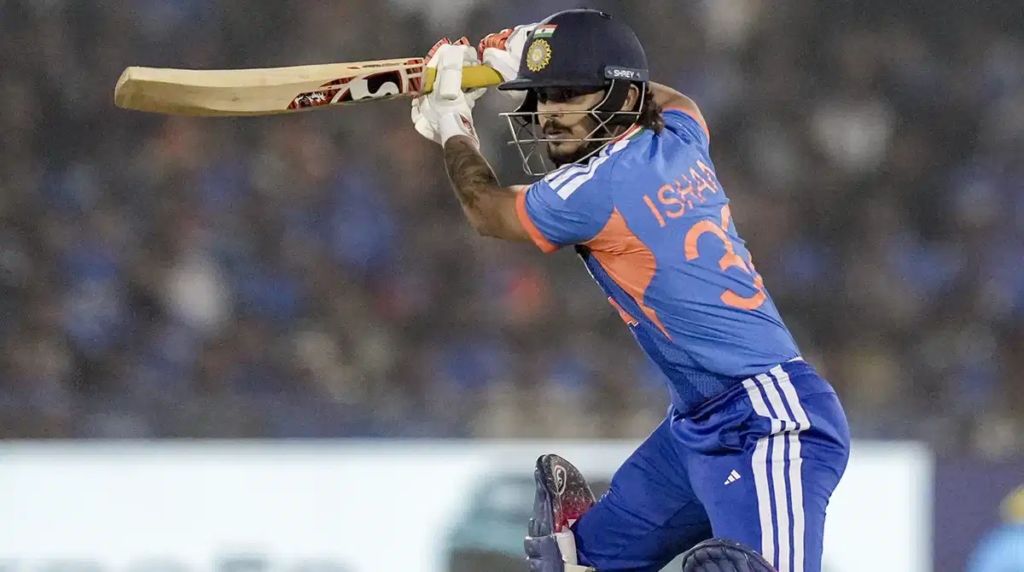
Kishan’s innings reflected a player who hadn’t lost faith in his abilities. Even when external narratives grew louder, the belief in his own game remained intact. That belief translated into clarity at the crease.
Confidence in cricket is contagious. Once it settles in, it transforms decision-making, sharpens reflexes, and allows instinct to flow naturally. On this night, Kishan played like someone rediscovering that confidence in real time.
For fans, cricket is as much about moments as it is about statistics. Certain innings linger in memory not because of numbers alone but because of the emotions they evoke.
Kishan’s redemption knock felt like one of those moments. It carried drama, tension, relief, and ultimately, celebration. Supporters who had backed him through ups and downs found validation, while neutrals witnessed the emergence of a more complete player.
The applause that followed wasn’t just for the runs. It was for the journey behind them.
In today’s fast-paced cricketing landscape, players are expected to evolve constantly. Formats overlap, schedules are relentless, and competition is fierce. Adaptability is no longer optional — it is essential.
Kishan’s innings showcased that evolution. It suggested a player learning to balance flair with responsibility, aggression with awareness, and instinct with strategy.
Such evolution is often the difference between fleeting promise and sustained success. If this innings is any indication, Kishan may be entering a new phase of his career — one defined by depth as much as dynamism.
While the narrative of redemption dominated conversations, the bigger question remains: what comes next? In sport, a single performance can reignite momentum, but sustaining it requires consistency.
This innings could serve as a foundation — a reminder to Kishan himself of what he is capable of when clarity replaces clutter. If he builds on this moment, it could mark not just redemption, but reinvention.
Great careers are often shaped by such turning points. Nights when everything aligns, and players rediscover the essence of their game.
Perhaps the most poetic element of the innings was the silence within it. Amid roaring crowds and constant chatter, Kishan’s calm became the loudest statement.
He didn’t need dramatic celebrations or fiery gestures. The bat did the talking. The composure did the storytelling. And the performance delivered the message.
In a sport where narratives shift quickly, this was a reminder that stillness can be powerful. That sometimes, the most compelling responses are the quietest ones.
Read Also : Winter Eases in North India: Punjab & Haryana See Temperature Rise, Firozpur at 8.2°C