Result Sheets Tampered’: 5 Explosive Claims by Jamaat Ameer That Spark Election Storm
A senior leader of Jamaat-e-Islami claims documents prove result sheets were tampered with, triggering fresh controversy and raising serious questions over election transparency and credibility
A fresh political storm has erupted after a senior leader of Jamaat-e-Islami claimed that documentary evidence exists showing widespread tampering of election result sheets. The explosive allegation has intensified debates over electoral transparency and credibility, triggering sharp reactions from political parties, civil society groups, and election observers.
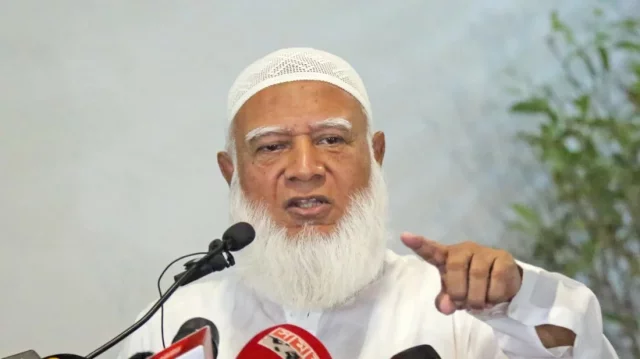
The statement, made by the party’s ameer (chief), has added a new dimension to the already charged political climate, with calls growing louder for independent investigations and greater accountability in the electoral process.
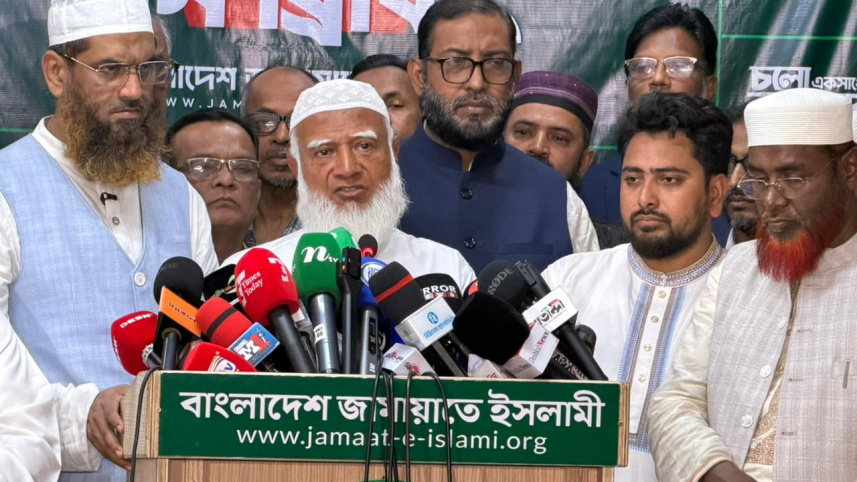
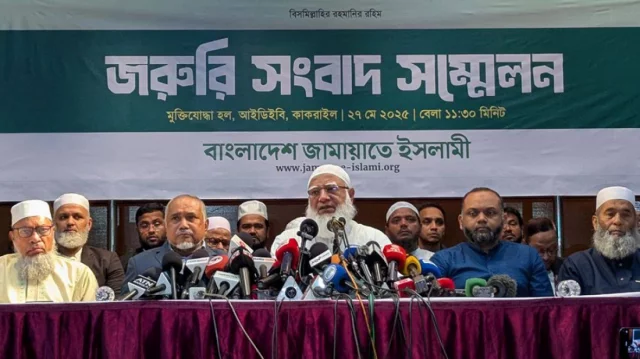
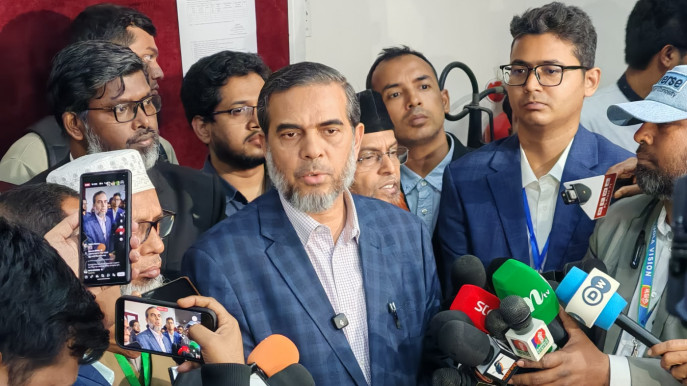
Addressing reporters at a press briefing, the Jamaat ameer asserted that the party possesses documents that allegedly prove manipulation of official result sheets in several constituencies. According to him, discrepancies were discovered between polling station records and final consolidated results.
“We have documents showing that result sheets were altered after counting,” the leader claimed, adding that the party is prepared to present evidence before appropriate legal and electoral forums.
He further alleged that irregularities were not isolated incidents but part of a systematic pattern aimed at influencing the overall electoral outcome.
While detailed evidence has not yet been made public, the Jamaat leadership hinted at several forms of alleged manipulation:
- Changes in vote tallies between polling stations and final tabulation
- Missing signatures of polling agents on some result sheets
- Discrepancies in turnout figures
- Delays in releasing official results
- Lack of transparency in result consolidation centers
If proven, such irregularities could significantly undermine public confidence in the integrity of the election process.
Political analysts note that allegations of result sheet tampering are among the most serious charges in any democratic exercise, as they strike at the core of electoral legitimacy.
The claims have sparked immediate political reactions across the spectrum. Opposition parties have demanded a transparent and independent inquiry into the allegations, arguing that electoral credibility is fundamental to democratic stability.
Several opposition leaders have echoed Jamaat’s concerns, calling for the preservation of all election-related records and surveillance footage from counting centers.
On the other hand, ruling party representatives have strongly rejected the allegations, dismissing them as politically motivated attempts to discredit the electoral verdict.
Government sources have insisted that the elections were conducted in a free and fair manner, pointing to the presence of observers and established procedures.
The allegations have placed the Election Commission under intense scrutiny. As the constitutional body responsible for overseeing elections, it now faces mounting pressure to respond decisively.
In a brief statement, officials indicated that they are reviewing the claims and will take appropriate action if credible evidence is submitted. However, critics argue that a more proactive approach is needed to reassure voters.
Election experts suggest that the Commission may need to consider measures such as:
- Independent audits of result sheets
- Public release of polling station data
- Judicial oversight of disputed constituencies
- Stronger digital safeguards for future elections
Such steps, they argue, could help restore trust in the electoral system.
If Jamaat submits documentary proof, the matter could quickly escalate into a legal battle. Electoral laws in many democracies provide provisions for recounts, re-polling, or even annulment of results in cases of proven manipulation.
Legal experts say the burden of proof will be crucial. Courts typically require concrete, verifiable evidence, including original documents, witness testimonies, and forensic examination of records.
If the allegations gain traction, they could lead to prolonged legal proceedings that may delay final validation of election results in certain constituencies.
The controversy has already begun influencing public discourse, with social media platforms flooded with debates over electoral integrity. While some citizens have expressed outrage over the alleged tampering, others have urged caution, emphasizing the need for verified evidence before drawing conclusions.
Public trust in electoral institutions plays a critical role in democratic stability. Even unproven allegations can create a perception crisis, weakening faith in governance structures.
Political sociologists warn that prolonged disputes over election credibility can deepen polarization and erode institutional legitimacy.
Much now depends on whether Jamaat can substantiate its claims with credible documentation. Transparency in presenting evidence will be key in shaping public perception.
Observers argue that if the party releases verifiable documents, it could significantly alter the political narrative. Conversely, failure to provide concrete proof could weaken the credibility of the allegations.
Civil society groups have called for responsible handling of the issue, urging all stakeholders to avoid inflammatory rhetoric while ensuring accountability.
Allegations of electoral irregularities are not uncommon in politically competitive environments. Many countries have witnessed similar controversies, often leading to institutional reforms and technological innovations.
In recent years, electoral bodies worldwide have introduced digital tabulation systems, blockchain-based verification, and real-time data publication to minimize manipulation risks.
Experts say such measures highlight the growing importance of technological safeguards in modern elections.
The controversy has reignited discussions about long-term electoral reforms. Advocacy groups are pushing for structural changes aimed at preventing similar disputes in the future.
Key reform proposals include:
- Digitization of result sheets with public access
- Mandatory video recording of counting processes
- Stronger penalties for electoral malpractice
- Independent monitoring mechanisms
- Greater involvement of international observers
Supporters argue that these measures could strengthen democratic resilience and enhance voter confidence.
The allegations have begun attracting attention beyond national borders, particularly among regional observers and international democracy watchdogs. Electoral credibility often plays a significant role in shaping diplomatic narratives and global perceptions.
If the controversy escalates, it could invite statements from international organizations emphasizing transparency and due process.
Diplomatic analysts note that electoral disputes can sometimes impact foreign relations, especially if they lead to prolonged instability.
With tensions rising, the next steps will be critical in determining how the controversy unfolds. Much will depend on whether Jamaat formally submits its evidence and how institutions respond.
Key developments to watch include:
- Submission of documentary proof
- Official response from the Election Commission
- Potential judicial intervention
- Independent investigations
- Public release of electoral data
Each of these steps could shape the trajectory of the issue and its broader political implications.
While the allegations are serious, experts caution against premature conclusions. Democratic systems rely on due process, and both accusers and institutions must adhere to legal and procedural norms.
Responsible handling of electoral disputes is essential to preserving democratic stability. Transparency, fairness, and institutional integrity will play decisive roles in determining public trust.
Political commentators emphasize that addressing such controversies constructively can ultimately strengthen democratic frameworks rather than weaken them.
Read Also : Pulwama Attack 2019: 7 Facts About the February 14 Tragedy That Changed Jammu and Kashmir Forever