S. Jaishankar Says Iran Allowed 2 Indian Tankers Through Strait of Hormuz
India’s External Affairs Minister Subrahmanyam Jaishankar explains how Iran allowed two Indian tankers safe passage through the strategic Strait of Hormuz, highlighting key diplomatic efforts amid rising regional tensions
Amid rising geopolitical tensions in the Middle East and growing concerns over global oil supply routes, a significant diplomatic development has captured international attention. Iran recently allowed two Indian oil tankers to pass safely through the strategically vital Strait of Hormuz, easing fears of supply disruptions for one of the world’s largest energy importers.
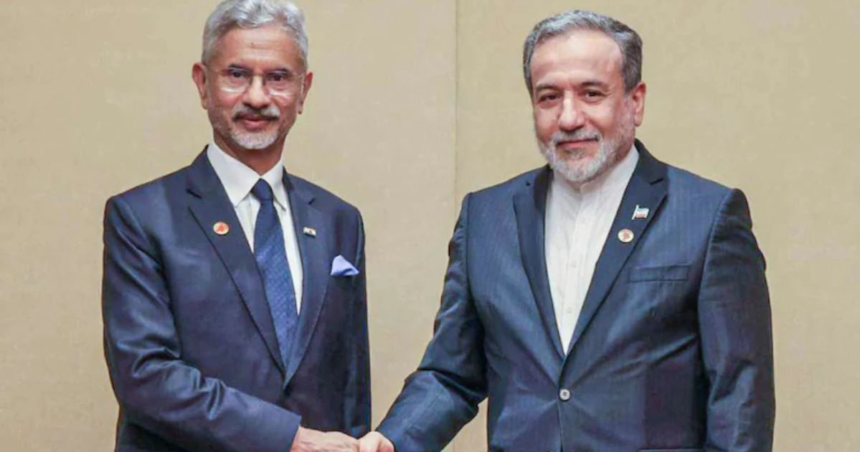
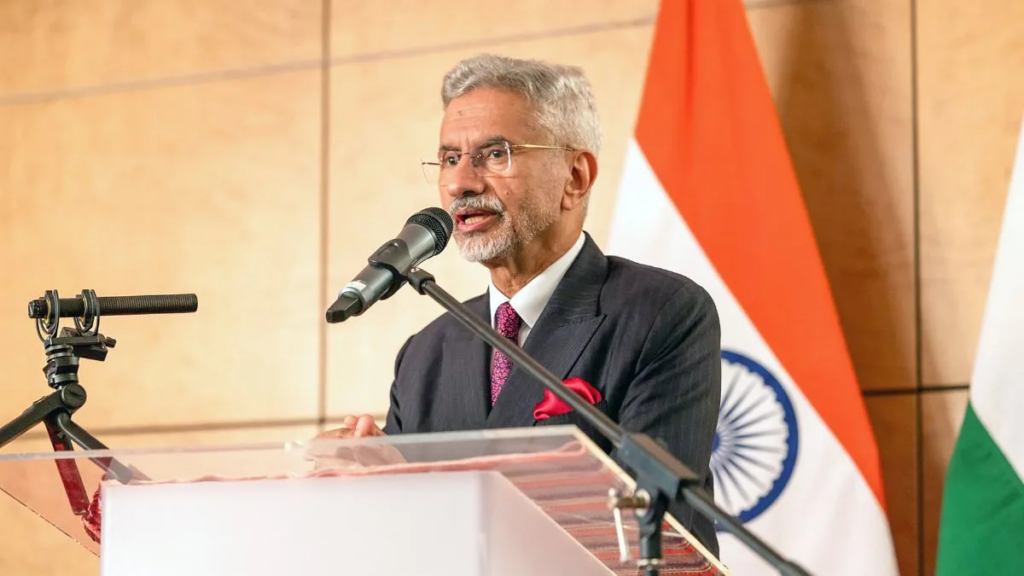
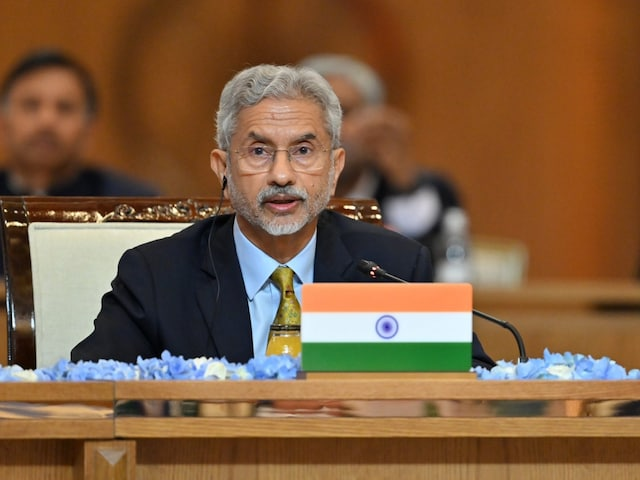
India’s External Affairs Minister Subrahmanyam Jaishankar shed light on the situation, explaining that sustained diplomatic engagement and strong bilateral ties played a key role in ensuring the safe passage of the vessels. His remarks come at a time when tensions in the region have threatened to disrupt global shipping routes and energy supplies.
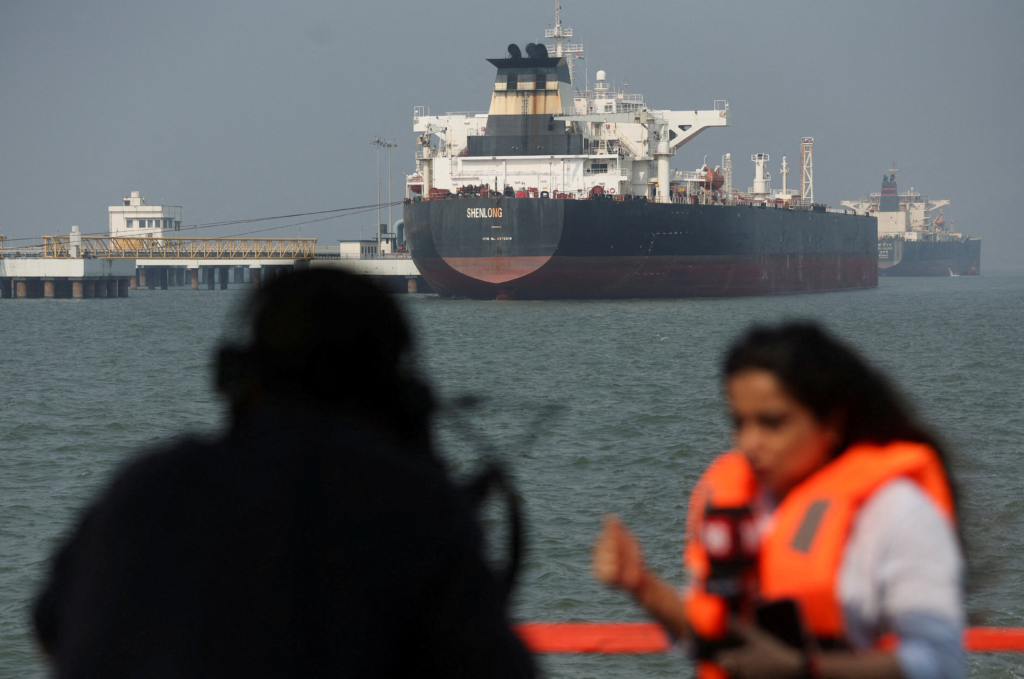
The development has not only reassured Indian energy markets but has also highlighted the importance of diplomacy in navigating complex geopolitical crises.
The Strait of Hormuz is widely regarded as one of the most critical maritime chokepoints in the world. Located between Iran and Oman, the narrow waterway connects the Persian Gulf to the Gulf of Oman and the Arabian Sea.
Every day, millions of barrels of crude oil and petroleum products travel through this route, making it indispensable to global energy markets. Major oil exporters including Saudi Arabia, Iraq, Kuwait, and the United Arab Emirates rely heavily on the strait to ship oil to international buyers.
Experts estimate that roughly one-fifth of the world’s daily oil supply passes through this narrow channel. Because of this massive volume, even minor disruptions can trigger global price spikes and economic uncertainty.
For India, which imports a large share of its crude oil from the Middle East, maintaining secure access to this shipping route is a strategic priority.
In recent weeks, geopolitical tensions involving Iran and Western powers have increased concerns about the safety of maritime traffic in the Strait of Hormuz. Military activity, political warnings, and fears of potential shipping disruptions have raised alarm across global energy markets.
Several shipping companies have become cautious about navigating the region, while insurance costs for oil tankers have surged due to perceived risks.
Against this backdrop, the safe passage granted to two Indian tankers was seen as a positive signal, indicating that diplomatic channels remain open despite heightened tensions.
Speaking about the issue, Subrahmanyam Jaishankar emphasized that India’s approach relied on careful diplomacy and constructive engagement.
According to him, Indian authorities maintained close communication with their Iranian counterparts to ensure that commercial shipping linked to India would not face unnecessary obstacles.
Jaishankar highlighted that India has historically maintained balanced relations with countries across the Middle East. This diplomatic positioning has allowed New Delhi to engage effectively with multiple stakeholders even during periods of conflict.
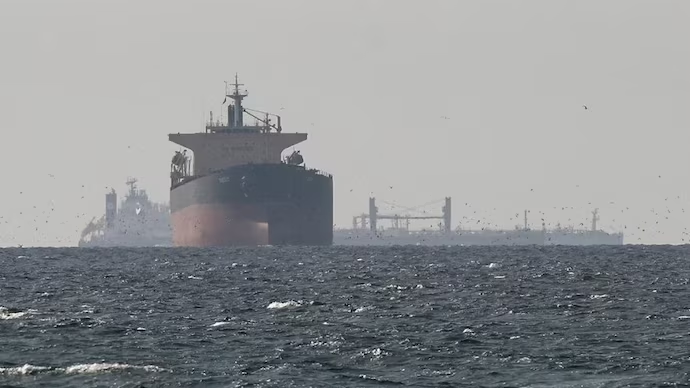
The External Affairs Minister stressed that dialogue, coordination, and mutual understanding helped secure the passage of the two tankers.
The relationship between India and Iran spans decades and includes cooperation in energy, trade, and regional connectivity.
Despite international sanctions and geopolitical pressures over the years, both countries have continued to maintain communication channels and diplomatic ties.
One major example of strategic cooperation is the development of the Chabahar Port in southeastern Iran. India has invested in this project to enhance regional trade connectivity and gain better access to Central Asian markets.
Such long-standing partnerships often provide a foundation for resolving sensitive issues, including maritime access and shipping security.
The safe movement of the two Indian tankers is significant for several reasons.
First, it ensures the uninterrupted supply of crude oil to India during a time of uncertainty in global energy markets. Stable energy imports are essential for supporting India’s rapidly growing economy.
Second, the development demonstrates the effectiveness of diplomatic engagement in preventing commercial disruptions. Instead of escalating tensions, dialogue helped achieve a mutually beneficial outcome.
Third, the incident reassures global shipping companies that negotiations and diplomacy can help maintain stability in critical maritime routes.
News of the tankers’ safe passage provided some relief to global oil markets, which had been reacting nervously to developments in the Middle East.
Oil traders closely monitor geopolitical developments in the region because they can dramatically affect supply chains. When there is uncertainty about shipping routes such as the Strait of Hormuz, prices often rise due to fears of potential shortages.
By allowing the tankers to pass safely, Iran signaled that it is not currently seeking to disrupt commercial oil flows to India.
However, analysts caution that the situation remains fragile and could change depending on broader geopolitical developments.
India has long recognized the importance of protecting its energy supply routes. As one of the world’s largest consumers of crude oil, the country imports a substantial portion of its energy needs.
To manage potential risks, India has adopted several strategies, including diversifying its oil suppliers, building strategic petroleum reserves, and strengthening diplomatic ties with energy-producing nations.
Ensuring safe shipping routes through the Strait of Hormuz is a critical part of this strategy.
India also maintains close relationships with Gulf countries such as Saudi Arabia and the United Arab Emirates, which are among its key energy partners.
The security of the Strait of Hormuz is not only a regional concern but a global one. Many countries depend on the steady flow of oil through the strait to sustain their economies.
Over the years, international naval forces have conducted patrols and coordinated operations in the region to ensure the safety of commercial shipping.
These efforts aim to deter threats such as piracy, sabotage, and military confrontation.
While tensions occasionally rise, most stakeholders recognize that keeping the shipping route open is essential for global economic stability.
The safe passage of the two Indian tankers through the Strait of Hormuz demonstrates the power of diplomacy during periods of geopolitical tension. By maintaining constructive dialogue with Iran, India was able to protect its commercial interests without escalating the situation.
External Affairs Minister Subrahmanyam Jaishankar’s explanation underscores the importance of strategic communication and balanced foreign policy in addressing complex international challenges.
As the global community continues to monitor developments in the Middle East, the Strait of Hormuz will remain a focal point for energy security and geopolitical stability.
For now, the successful passage of the Indian tankers offers a reminder that even in a volatile region, diplomacy can still play a decisive role in keeping vital trade routes open and maintaining global economic stability.
Read Also : 7 Key Reasons Oil Prices Are Surging as Donald Trump Pushes Coalition to Reopen Strait of Hormuz