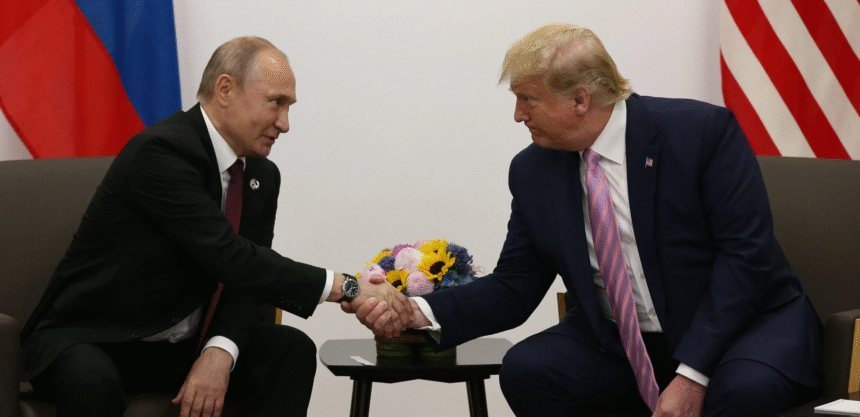
Trump-Putin Summit at Risk: Russia Issues 72-Hour Warning Over Ukraine’s Deadly Missile & Drone Provocations
Russia warns of a looming 72-hour threat as Ukraine allegedly plans deadly missile and drone attacks, putting the highly anticipated Trump-Putin summit in jeopardy
Moscow/Washington/Kyiv — The highly anticipated diplomatic meeting between former U.S. President Donald Trump and Russian President Vladimir Putin is facing fresh uncertainty after Moscow issued a stark warning over what it claims are imminent Ukrainian “provocations” involving missiles and drones.
The Kremlin, in a statement late Tuesday, alleged that Ukrainian forces were preparing to launch a large-scale strike using long-range missiles and swarms of drones against Russian-held territories. Russian officials claimed such an escalation could occur within the next 72 hours, potentially derailing the Trump-Putin talks that had been tentatively scheduled for later this month.
According to Russian Foreign Ministry spokesperson Maria Zakharova, intelligence reports suggest Ukraine is “planning a reckless and dangerous attack on critical infrastructure in Russian-controlled regions.” She accused Kyiv of attempting to “sabotage any prospect of peace discussions” by triggering a military confrontation that could overshadow or entirely cancel the summit.
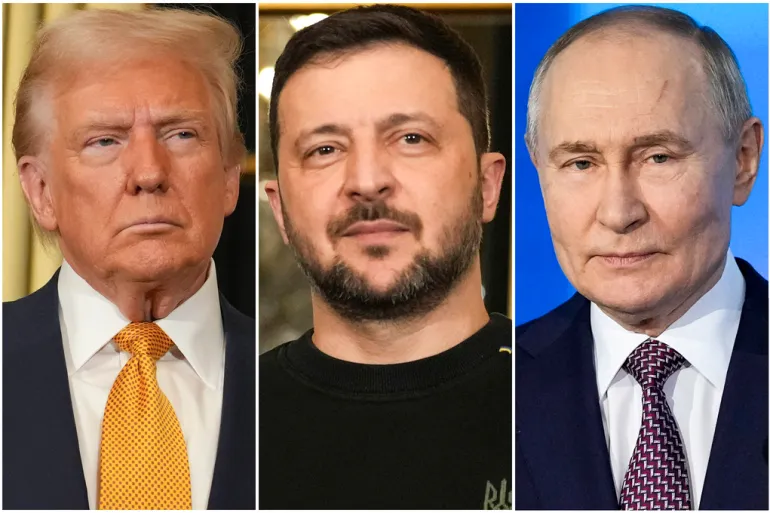
“This is not a mere battlefield incident,” Zakharova warned. “We have credible evidence that Ukraine’s Western sponsors are aware of and even encouraging these actions to create a crisis environment ahead of President Putin’s planned meeting with Donald Trump.”
Russia has not disclosed specific locations but hinted that both military facilities and energy infrastructure in border regions could be targeted.
Ukraine’s Ministry of Defense dismissed the allegations, calling them “baseless propaganda designed to shift the narrative.” Ukrainian officials argued that Moscow’s statement was part of a broader strategy to justify intensified attacks on Ukraine and frame Kyiv as a spoiler of diplomatic efforts.
Mykhailo Podolyak, an adviser to President Volodymyr Zelenskyy, stated:
“This is a manufactured crisis. Russia has a long record of inventing provocations to deflect from its own aggressive actions. If the Trump-Putin summit fails, the reasons will be found in the Kremlin, not Kyiv.”
The Trump-Putin meeting, if it takes place, would mark one of the most high-profile diplomatic engagements since the war in Ukraine began in February 2022. Trump, who is campaigning for a return to the White House in the upcoming U.S. presidential election, has repeatedly claimed he could “end the war in 24 hours” if given the opportunity to negotiate directly with both leaders.
However, the summit has faced skepticism from multiple quarters. Critics argue that such talks could embolden Moscow and undermine NATO’s united front on Ukraine. Supporters contend that even a controversial dialogue could open channels for de-escalation.
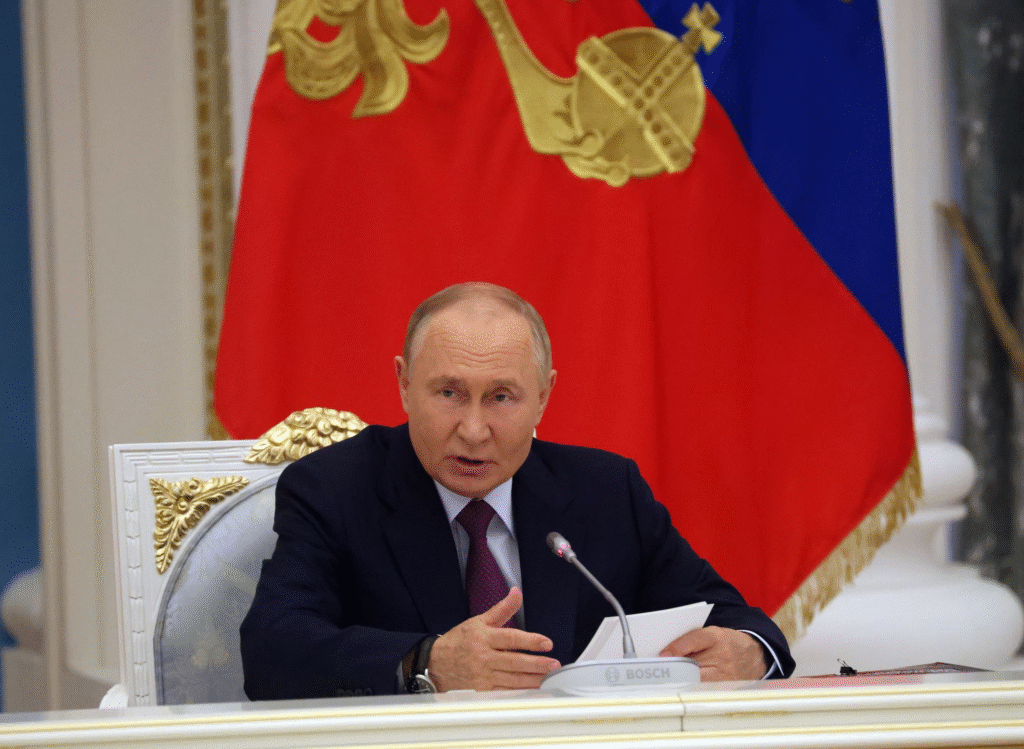
The White House, under President Joe Biden, has distanced itself from the meeting, calling it a “private initiative” by Trump with no official U.S. government endorsement.
The Russian warning comes amid heightened military activity on both sides. Over the past week, Moscow claims to have intercepted multiple Ukrainian drone attacks targeting Crimea and the Belgorod region. Kyiv has neither confirmed nor denied responsibility but has emphasized its right to strike military targets in occupied territories.
Meanwhile, Russia has intensified missile strikes on Ukrainian cities, with several civilian areas in Kharkiv and Odesa hit in recent days. Ukraine’s air force reported downing 17 out of 23 drones launched by Russia overnight, while damage assessments in urban centers remain ongoing.
The alleged Ukrainian “provocation plan” has drawn varied responses internationally:
European Union: EU foreign policy chief Josep Borrell urged both sides to avoid actions that could “undermine any diplomatic pathway.” He emphasized that “meetings between leaders should not be preemptively sabotaged by military escalations.”
China: Beijing, which has maintained ties with both Moscow and Kyiv, called for “calm and restraint,” warning that “any major strike now could push the war into an even more dangerous phase.”
United Nations: UN Secretary-General António Guterres said the UN had no confirmation of the alleged plans but would “monitor developments closely” and “remain ready to facilitate dialogue in any format.”
Kremlin sources, speaking anonymously to Russian media, indicated that preparations for the Trump-Putin meeting have not been halted but that “security considerations” are now paramount.
“There is a real concern that any large-scale attack—whether real or perceived—could make the optics of the summit politically untenable,” one source told the state news agency RIA Novosti.
Trump, in a brief comment to reporters outside a campaign event in Florida, declined to speculate on whether the meeting was at risk, saying only:
“I want peace. I think we can make a deal. But we’ll see what happens.”
Military analysts suggest that the Kremlin’s public emphasis on a 72-hour threat window could serve several strategic purposes:
Diplomatic Leverage: By raising alarm before the summit, Russia can position itself as a party under threat, potentially swaying public opinion in its favor.
Preemptive Justification: If Russia launches retaliatory or preventive strikes, it can claim they were necessary to avert an imminent Ukrainian attack.
Summit Pressure: The warning could pressure Trump to publicly condemn Ukraine or adjust his summit agenda to Moscow’s liking.
For Ukraine, the risk is twofold:
Perception Battle: If global audiences accept Russia’s narrative, Kyiv could be painted as the aggressor at a time when it is seeking more Western military aid.
Military Fallout: Any significant escalation could invite harsher Russian offensives, stretching Ukrainian defenses already challenged by ammunition shortages and manpower strain.
Experts outline several scenarios in the days ahead:
Provocation Proves Real: If Ukraine launches an attack—whether intentionally or as part of ongoing military operations—Russia could use it to call off the summit and escalate military action.
False Alarm: If no attack occurs, Moscow may still claim to have “thwarted” Ukraine’s plans, maintaining its narrative for domestic audiences.
Controlled Tensions: Both sides could exercise restraint, allowing the Trump-Putin meeting to proceed, albeit under a cloud of suspicion.
The unfolding situation is being closely watched not just for its impact on the Trump-Putin meeting but for what it signals about the broader trajectory of the war.
If the summit proceeds and yields even minor confidence-building measures, it could represent a rare diplomatic opening. But if it collapses under the weight of new hostilities, it may deepen mistrust and lock both sides into an even more entrenched conflict.
For now, all eyes are on the next 72 hours—a window that could determine not just the fate of a controversial meeting, but the tone of East-West relations in the months to come.