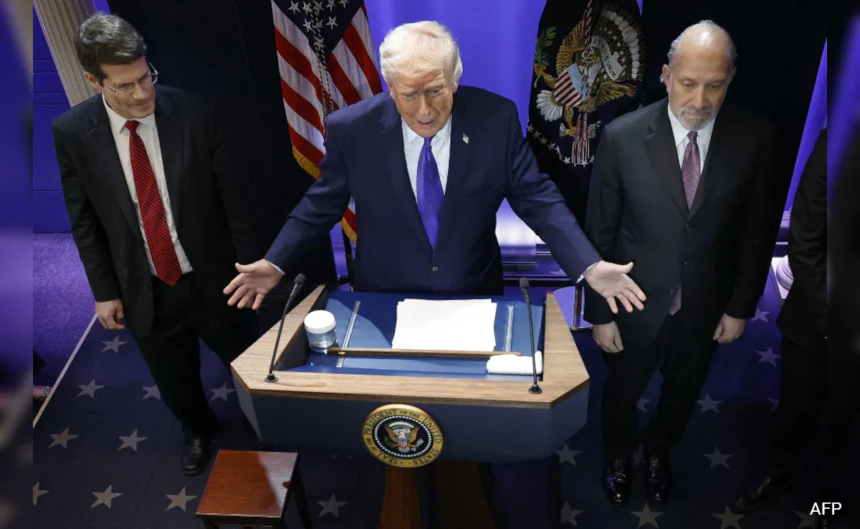
Trump Tariff Shock: India Duties Cut to 10% from Feb 24 for 150 Days — Big Trade Boost
Stay updated with live coverage as Donald Trump announces a major tariff cut on India, reducing duties to 10% from February 24 for 150 days
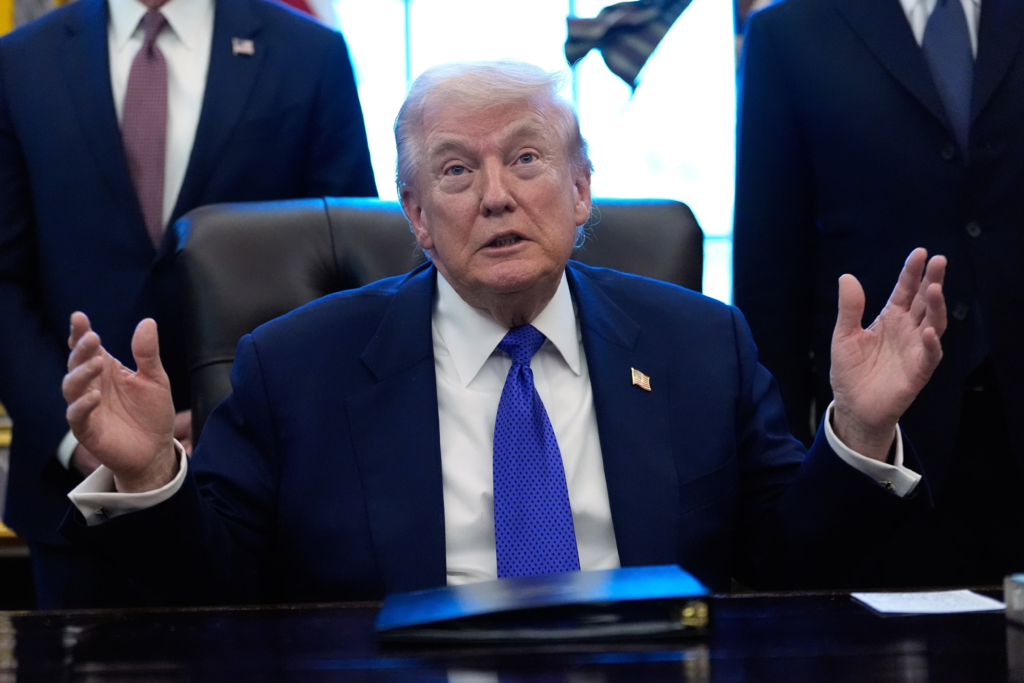
The global trade landscape witnessed a dramatic shift after former US President Donald Trump announced a significant tariff reduction on imports from India. Under the latest policy update, tariffs on select Indian goods will be slashed to 10% starting February 24, and the relief will remain in effect for 150 days. The decision has sparked widespread reactions across global markets, policymakers, and trade experts, as it signals a major recalibration in the economic relationship between India and the United States.
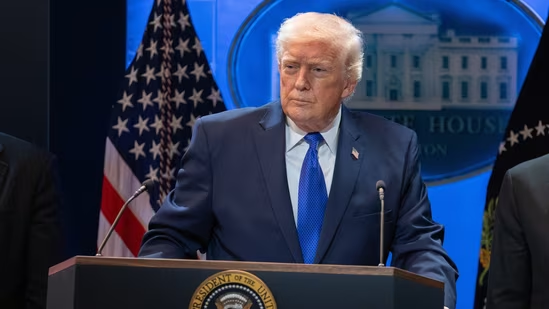
The announcement comes at a time when global supply chains are undergoing rapid restructuring due to geopolitical tensions, inflation pressures, and shifting manufacturing hubs. By cutting tariffs to 10% for a limited 150-day window, the US is effectively opening a temporary trade corridor that could benefit exporters, manufacturers, and consumers on both sides.
Experts believe the move could act as a trial period for a broader trade agreement. The temporary nature of the tariff cut suggests that Washington may be testing the economic and political impact before committing to long-term policy adjustments.
Tariffs play a crucial role in determining the competitiveness of exports. For Indian exporters, a reduction to 10% could translate into immediate cost advantages, especially in sectors like textiles, pharmaceuticals, auto components, electronics, and specialty chemicals. Many of these industries have long sought tariff relief to better compete with manufacturers from Southeast Asia and Latin America.
Lower duties mean Indian goods will become more affordable in the US market, potentially boosting demand and increasing export volumes. This could provide a much-needed push for India’s export-driven sectors, especially as global demand remains uneven.
The February 24 implementation date is strategically significant. It coincides with the end of several fiscal cycles and aligns with ongoing trade negotiations across multiple regions. Analysts believe the timing allows businesses enough lead time to adjust supply chains, renegotiate contracts, and accelerate shipments to take advantage of the 150-day window.
The 150-day duration — roughly five months — is long enough to generate measurable trade data but short enough to allow policymakers flexibility. Governments often use such time-bound measures to evaluate economic impact before locking in permanent reforms.
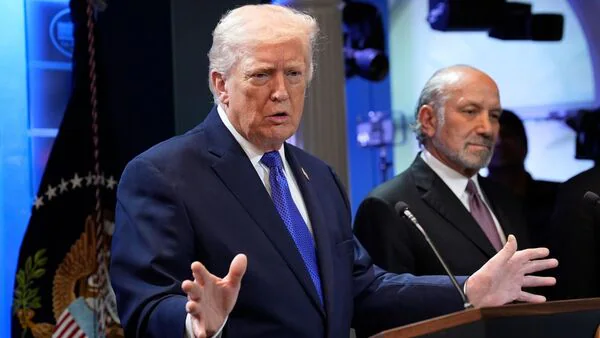
Several Indian sectors are expected to benefit immediately
1. Textiles and Apparel
India’s textile exporters have struggled against stiff competition from countries with preferential trade agreements. A 10% tariff cap could help Indian apparel regain lost market share in the US retail sector.
2. Pharmaceuticals
India is already a major supplier of generic medicines to the US. Reduced tariffs could further strengthen this dominance, lowering costs for American consumers while boosting revenues for Indian pharma companies.
3. Auto Components
The auto parts industry, which has been expanding its global footprint, could see improved margins and higher orders from US manufacturers seeking cost-effective suppliers.
4. Electronics and Engineering Goods
With global tech supply chains diversifying away from single-country dependencies, Indian electronics exports could gain traction under the temporary tariff relief.
Financial markets responded swiftly to the announcement. Export-oriented stocks saw a surge as investors anticipated higher revenue potential. Currency markets also reacted, with expectations that increased export inflows could support the Indian rupee.
In the US, retailers and importers welcomed the move, viewing it as an opportunity to manage costs amid persistent inflationary pressures. Lower import duties could translate into better pricing flexibility, particularly in consumer goods segments.
Beyond economics, the tariff cut carries significant geopolitical weight. Trade policy often doubles as a diplomatic tool, and this decision may reflect an attempt to deepen strategic ties between the world’s largest and fastest-growing major economies.
Strengthening trade relations could have ripple effects across defense cooperation, technology partnerships, and energy collaboration. In recent years, both countries have emphasized the importance of resilient supply chains and reduced dependence on single-region manufacturing hubs.
One of the biggest questions surrounding the move is whether it represents a short-term tactical decision or the beginning of a long-term policy shift. The 150-day limit indicates caution, suggesting policymakers want to observe outcomes before extending or modifying the measure.
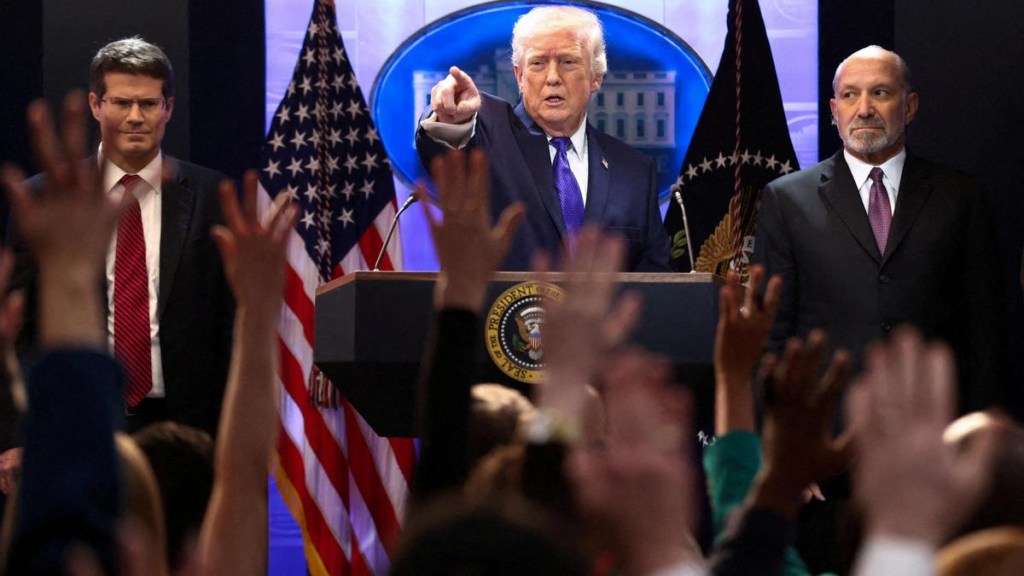
If trade volumes increase significantly during this period, it could strengthen the case for a more permanent tariff reduction. On the other hand, domestic political pressures or trade imbalances could lead to a rollback once the window closes.
Trade decisions of this scale are rarely purely economic. Domestic political considerations often play a role, especially when tariffs impact local industries and employment. Any tariff reduction must balance the interests of exporters, domestic manufacturers, and consumers.
For the US, reducing tariffs may help ease inflation by lowering import costs. For India, the move could support export growth at a time when the country is positioning itself as a global manufacturing alternative.
Industry bodies and trade associations in India have largely welcomed the development. Exporters see the tariff cut as an opportunity to expand their footprint in one of the world’s most lucrative consumer markets. Many companies are reportedly fast-tracking shipments and exploring new contracts to maximize gains within the 150-day period.
US importers and distributors have also shown optimism. With tariffs temporarily reduced, businesses can experiment with new suppliers and diversify sourcing strategies without committing to long-term risk.
Despite the optimism, challenges remain. Logistics constraints, regulatory hurdles, and currency fluctuations could limit the full potential of the tariff reduction. Additionally, businesses must act quickly to capitalize on the narrow time frame.
There is also uncertainty about what happens after the 150 days. Companies may hesitate to make large structural changes unless there is clarity on whether the tariff relief will be extended.
The move comes amid a broader realignment in global trade. Countries are increasingly adopting flexible, short-term trade measures to respond to rapid economic changes. Temporary tariff adjustments, targeted incentives, and bilateral trade windows are becoming more common as governments seek agility in policymaking.
In this context, the US decision to lower tariffs on Indian imports fits into a larger pattern of strategic trade experimentation.
Over the coming months, trade data will be closely monitored by policymakers, economists, and businesses alike. Key indicators will include export growth rates, sectoral performance, price trends, and bilateral trade balance shifts.
If the data shows strong mutual benefits, both sides may explore extending the tariff relief or negotiating a broader trade framework. Conversely, mixed outcomes could lead to policy recalibration.