
US Grants 30-Day Waiver for India to Buy Russian Oil Amid West Asia Supply Crisis – 7 Key Facts
The US has issued a 30-day waiver allowing India to continue purchasing Russian oil amid supply disruptions in West Asia
In a significant move that reflects the complex dynamics of global energy politics, the United States has issued a 30-day waiver allowing India to continue purchasing oil from Russia. The temporary exemption comes at a time when energy markets are experiencing turbulence due to supply disruptions across West Asia, a region that plays a critical role in global oil production.
The decision highlights the balancing act faced by global powers as geopolitical tensions, economic pressures, and energy security concerns collide. For India, the waiver offers short-term relief and stability in securing energy supplies for its rapidly growing economy.
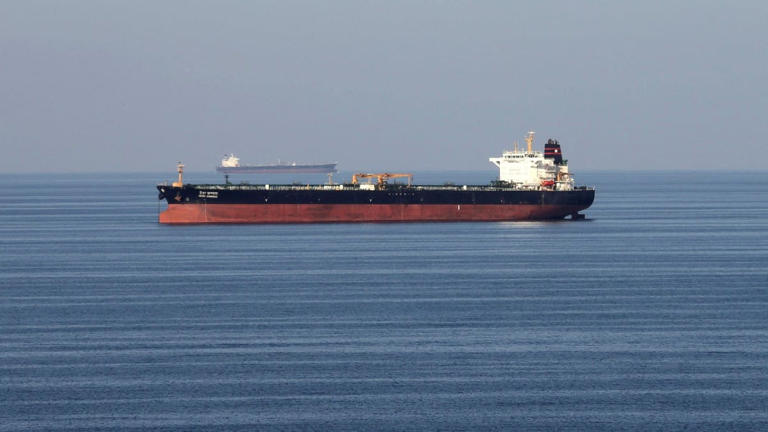
Below is an in-depth look at the waiver, the reasons behind it, and its potential implications for global energy markets and international diplomacy.
The waiver issued by the United States provides India with temporary permission to continue purchasing Russian crude oil without facing sanctions or restrictions that have been imposed on Moscow following geopolitical conflicts.
Since 2022, several Western nations have implemented strict economic measures aimed at limiting Russia’s energy revenues. However, India has maintained that its energy purchases are driven by national interest and economic necessity.
The 30-day waiver is designed to give India time to adjust its energy procurement strategies while global oil supply chains remain under pressure.
Energy experts say such waivers are sometimes used in international diplomacy to prevent sudden disruptions that could destabilize global markets.
The decision by Washington comes amid mounting concerns about oil supply disruptions across West Asia. The region accounts for a significant share of the world’s oil exports, and any instability there can quickly affect global energy prices.
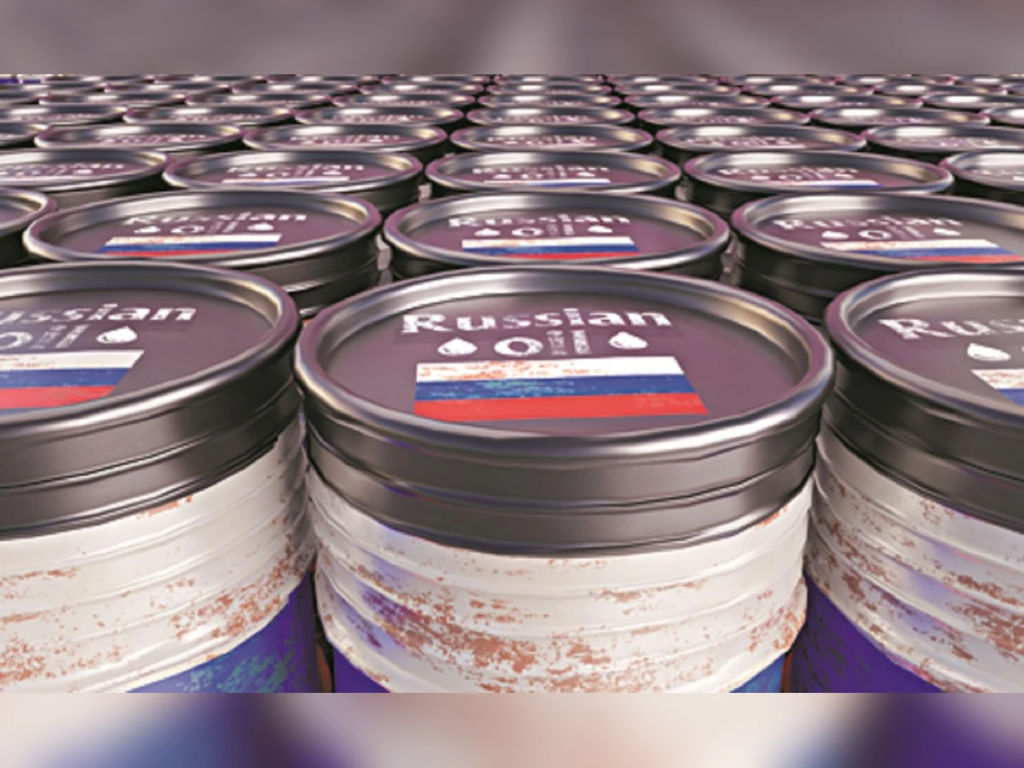
Several factors have contributed to the current supply worries:
- Geopolitical tensions and conflicts in the region
- Shipping disruptions along key maritime routes
- Production challenges in certain oil-producing countries
- Increased global demand for energy
As supply uncertainties grow, oil-importing countries like India face the risk of rising fuel costs and economic pressure.
By allowing India to continue buying Russian oil temporarily, the United States aims to prevent sudden spikes in global oil prices that could affect economies worldwide.
In recent years, India has significantly increased its purchases of Russian crude oil. The shift occurred largely after Western sanctions led Russia to offer its oil at discounted prices to Asian markets.
For India, which imports more than 80 percent of its crude oil needs, access to affordable energy supplies is crucial.
Russian crude has therefore become an important component of India’s energy mix.
Energy analysts note that the arrangement has benefited both countries:
- India receives oil at competitive prices
- Russia secures a major buyer despite Western sanctions
The US waiver temporarily acknowledges the economic realities of this relationship while broader diplomatic negotiations continue.
The waiver also reflects the strategic partnership between the United States and India. Over the past decade, the two countries have strengthened cooperation in areas such as defense, technology, and trade.
However, India has consistently maintained an independent foreign policy, especially regarding its energy ties with Russia.
Washington’s decision to grant a temporary exemption indicates recognition of India’s strategic importance in global geopolitics.
Experts say the move is aimed at maintaining strong relations with New Delhi while still applying pressure on Moscow through broader sanctions policies.
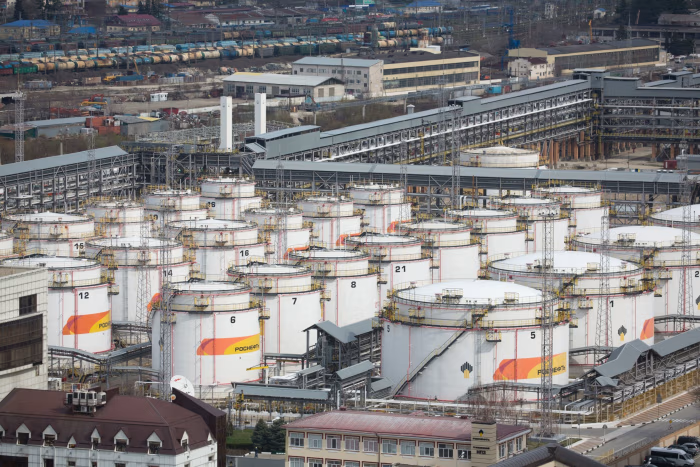
Global energy markets closely monitor decisions like this because they can influence oil prices and supply stability.
If India had been forced to abruptly stop purchasing Russian oil, several consequences could have followed:
- Increased demand for Middle Eastern crude
- Higher global oil prices
- Supply shortages in certain markets
- Greater competition among major importing nations
The waiver therefore acts as a short-term stabilizing measure.
Oil traders and analysts believe the move may help prevent sudden price spikes while governments explore longer-term solutions to supply challenges.
For India, the ability to continue importing Russian oil provides immediate economic relief.
Fuel prices play a major role in the country’s economic stability, affecting sectors ranging from transportation and agriculture to manufacturing.
Lower-cost oil imports help reduce pressure on inflation and support economic growth.
The waiver also allows Indian refiners to maintain existing supply contracts while exploring alternative sources of crude if needed.
Industry experts say the next few weeks will be crucial as India evaluates its energy strategy for the longer term.
The waiver has sparked discussions about the evolving nature of global diplomacy in a multipolar world.
Countries today often balance multiple strategic relationships simultaneously. India’s ability to maintain strong ties with both the United States and Russia reflects this complex diplomatic landscape.
While Washington continues to encourage reduced dependence on Russian energy, it also recognizes that immediate policy shifts could have unintended economic consequences.
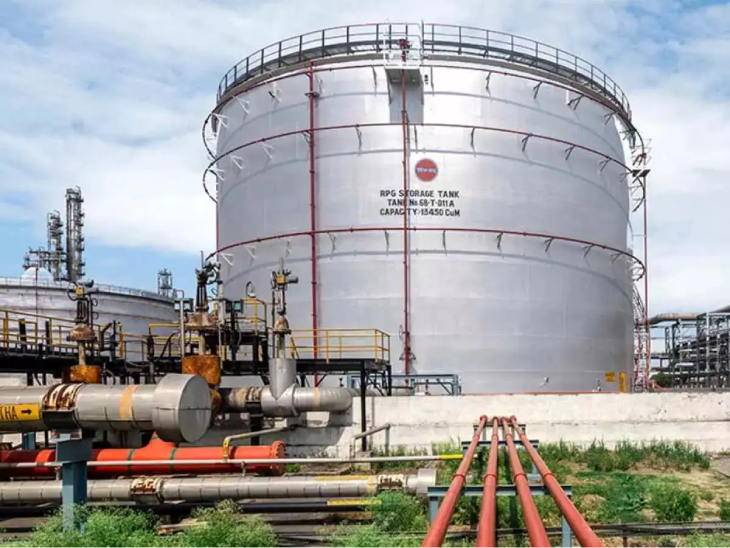
The temporary waiver therefore represents a pragmatic approach aimed at managing competing priorities.
India is actively working to diversify its energy sources to reduce dependence on any single supplier.
The government has been pursuing several strategies, including:
- Expanding partnerships with Middle Eastern oil producers
- Increasing investments in renewable energy
- Developing domestic oil and gas exploration projects
- Strengthening strategic petroleum reserves
These initiatives aim to ensure long-term energy security for one of the world’s fastest-growing economies.
However, analysts say global energy markets will remain volatile due to geopolitical tensions and shifting demand patterns.
The decision by the United States has drawn mixed reactions from international observers.
Some analysts view the waiver as a practical step that acknowledges economic realities. Others argue it highlights the challenges of enforcing global sanctions in a world where energy markets are deeply interconnected.
Countries dependent on energy imports are particularly sensitive to policies that could disrupt supply chains.
For them, stability in oil markets is often more important than political considerations.
As the 30-day waiver period unfolds, several key questions remain:
- Will the United States extend the waiver if supply issues continue?
- Will India seek alternative energy suppliers during this period?
- How will global oil prices react to ongoing geopolitical developments?
Energy experts believe the coming weeks will be critical in determining the next phase of global oil diplomacy.
Read Also : Nepal Election Results 2026 LIVE: Balen Shah’s Gen Z-Backed RSP Leads in 47 Seats, Wins 1 – 8 Big Updates