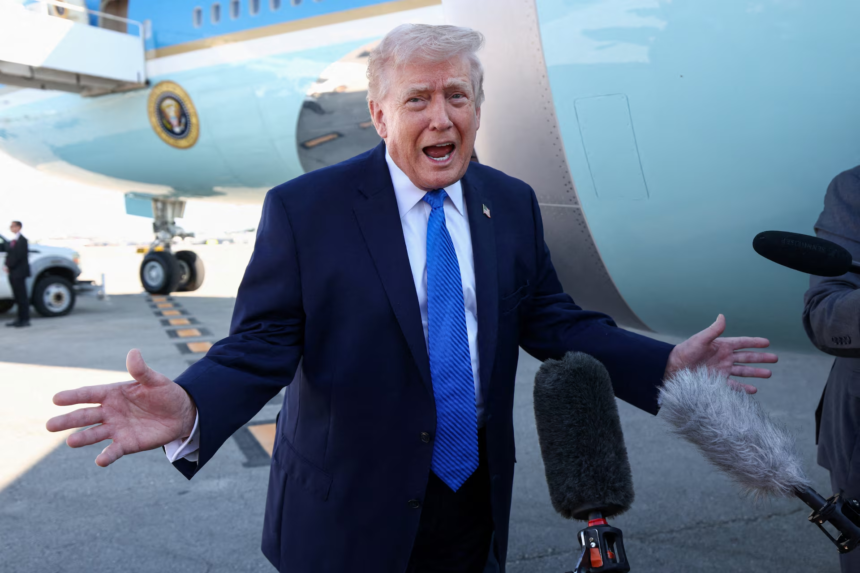
US–Israel–Iran War LIVE: Trump Delays Iran Energy Strikes by 10 Days – 5 Big Global Impacts Revealed
US–Israel–Iran war intensifies as Donald Trump extends Iran energy strike deadline by 10 days
The escalating conflict involving the United States, Israel, and Iran has entered a critical new phase after Donald Trump announced a 10-day extension on planned strikes targeting Iran’s energy infrastructure. This unexpected move has added a fresh layer of uncertainty to an already volatile geopolitical situation, raising questions about whether the region is heading toward de-escalation—or an even more intense confrontation.
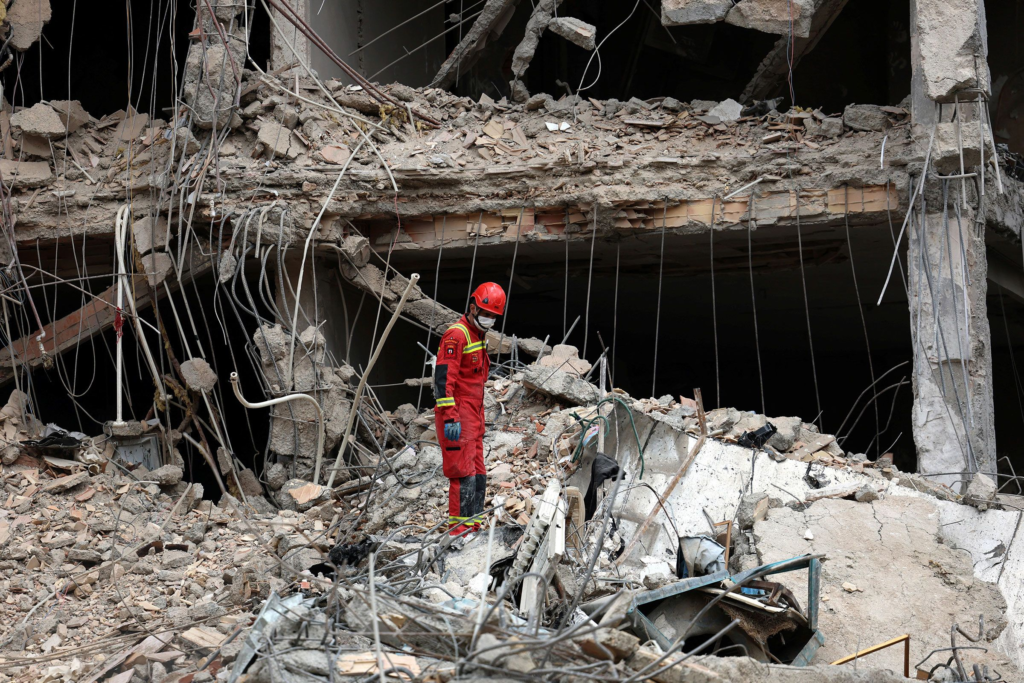
The decision to delay military action comes at a time when tensions between the U.S.-Israel alliance and Iran are at their peak. For weeks, both sides have exchanged warnings, threats, and in some cases, direct military strikes. The U.S. had earlier indicated that it was prepared to target Iran’s critical energy facilities, a move that analysts warned could cripple Tehran’s economy and disrupt global oil supply chains.
However, Trump’s announcement of a 10-day pause signals a possible shift in strategy. According to officials, the extension is meant to allow diplomatic channels to remain open. Negotiations—reportedly involving mediators such as Pakistan, Turkey, and Egypt—are ongoing, though no concrete breakthrough has been confirmed yet.
This delay, while temporary, is being viewed globally as a window of opportunity for diplomacy, even as military operations continue in other parts of the region.
Iran’s energy infrastructure is not just vital for its own economy but also plays a significant role in global oil markets. The country is a key player in the export of crude oil, and any disruption can have ripple effects worldwide.
One of the most critical points in this conflict is the Strait of Hormuz, a narrow passage through which nearly a fifth of the world’s oil supply flows. Iran has, at various points during the conflict, threatened to restrict or control access to this route, sending shockwaves through international markets.
Had the U.S. proceeded with strikes on Iran’s energy facilities, experts believe oil prices could have surged dramatically, potentially crossing the $100-per-barrel mark and impacting economies far beyond the Middle East.
Israel has been actively involved in the conflict, carrying out targeted strikes against Iranian military installations and allied groups in the region. Israeli officials have maintained that their actions are pre-emptive, aimed at neutralizing threats before they materialize.
In recent weeks, Israeli airstrikes have reportedly targeted key Iranian commanders and strategic sites, further escalating tensions. While the U.S. and Israel are aligned in their broader objectives, there are indications that Washington’s decision to delay strikes may not fully align with Israel’s more aggressive stance.
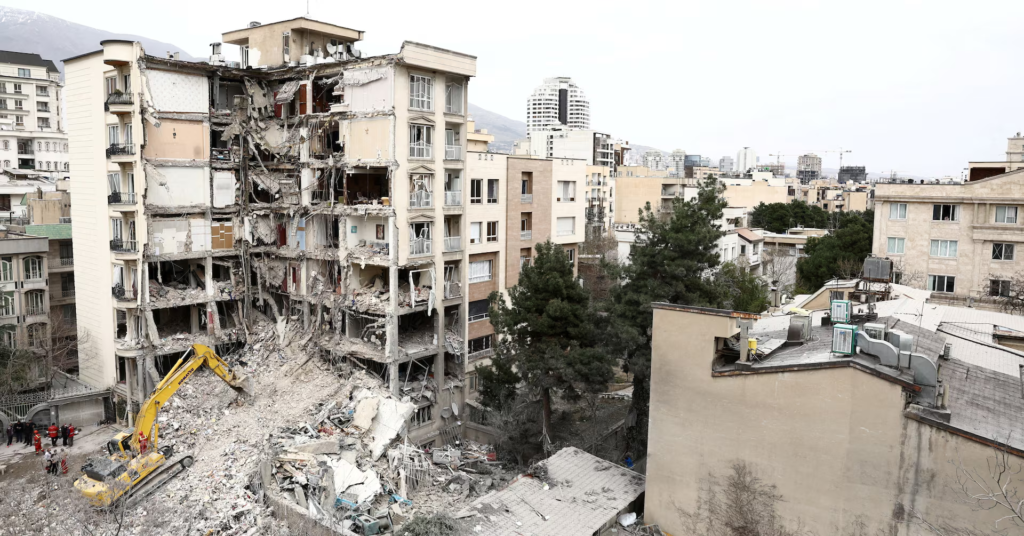
This divergence highlights the complexity of the alliance, where shared goals are sometimes pursued through different strategies.
Iran has responded to the evolving situation with a mix of defiance and cautious engagement. While publicly rejecting U.S. demands, Iranian officials have indicated a willingness to continue indirect negotiations.
Tehran’s key demands reportedly include:
- Recognition of its sovereignty over strategic waterways
- Compensation for damages caused by recent strikes
- An end to U.S. and Israeli military actions
At the same time, Iran has continued to demonstrate its military capabilities through missile tests and regional operations, signaling that it is prepared for further escalation if necessary.
The war has already had a noticeable impact on global markets. Oil prices have experienced sharp fluctuations, with investors reacting to every new development in the conflict. Stock markets have also shown signs of volatility, reflecting broader concerns about economic stability.
Countries heavily dependent on oil imports, including India, are closely monitoring the situation. Any disruption in supply through the Strait of Hormuz could lead to increased fuel prices, inflationary pressures, and economic uncertainty.
Additionally, the conflict has strained international alliances. Some NATO members have reportedly been hesitant to fully support the U.S.-led military campaign, preferring diplomatic solutions over direct confrontation.
The 10-day extension has reignited hopes for a diplomatic resolution, but experts caution that the situation remains highly fragile. Previous attempts at negotiation have failed to produce lasting results, and trust between the involved parties remains low.
Mediators are working behind the scenes to bring both sides to the table, focusing on confidence-building measures and potential ceasefire agreements. However, the gap between U.S.-Israel demands and Iran’s conditions remains significant.
The coming days will be crucial in determining whether this temporary pause leads to meaningful progress or merely delays an inevitable escalation.
Beyond the geopolitical and economic implications, the conflict has had a devastating human cost. Thousands of people have reportedly been killed or injured, and hundreds of thousands have been displaced across affected regions.
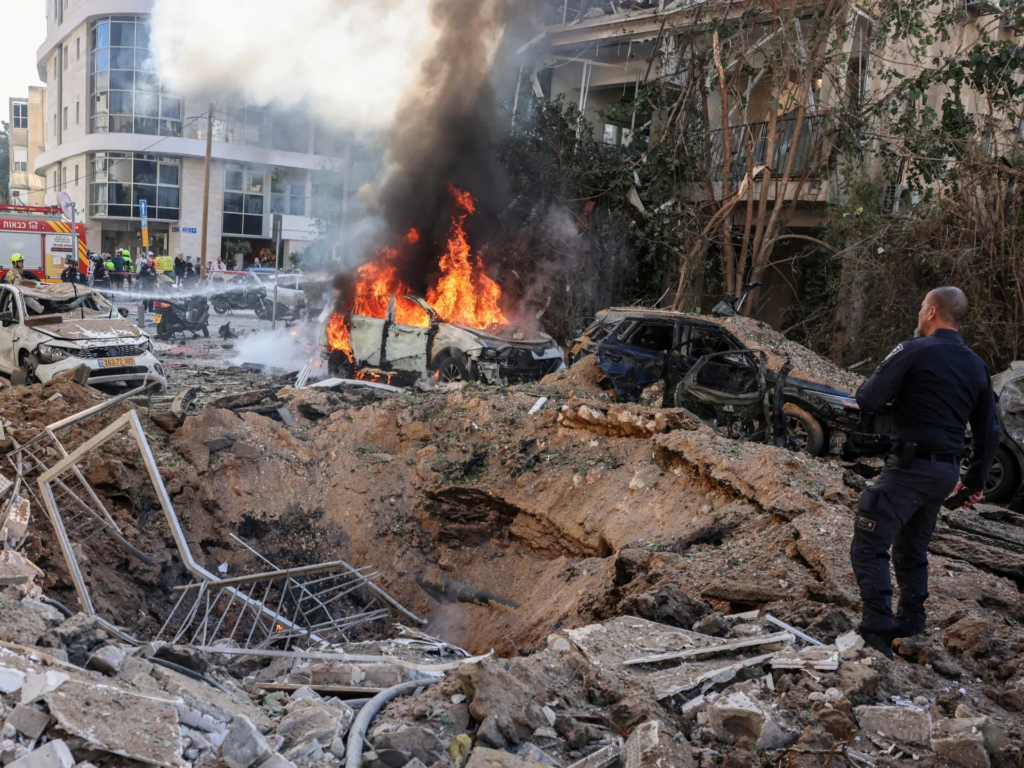
Civilian infrastructure, including hospitals and residential areas, has been impacted by the ongoing violence. Humanitarian organizations have warned of a growing crisis, with urgent needs for medical aid, food, and shelter.
The international community has called for restraint and adherence to international humanitarian law, but on-the-ground realities remain grim.
The key question now is what will happen once the 10-day deadline expires. Several scenarios are possible:
- Diplomatic Breakthrough:
Negotiations could lead to a temporary ceasefire or even a broader agreement, reducing tensions in the region. - Limited Military Action:
The U.S. may proceed with targeted strikes while continuing diplomatic efforts, aiming to pressure Iran without triggering a full-scale war. - Full Escalation:
If talks fail, the conflict could intensify significantly, involving more countries and causing widespread instability.
This 10-day pause represents more than just a delay—it is a critical juncture that could shape the future of the Middle East. The decisions made in the coming days will not only impact the immediate conflict but also set the tone for international relations in the years to come.
For now, the world watches closely as diplomacy and military strategy intersect in a high-stakes game with global consequences. Whether this brief window leads to peace or further conflict remains to be seen, but one thing is certain: the outcome will have far-reaching implications for energy markets, global security, and the lives of millions.
Read Also : Kangana Ranaut SHINES in 1 Stunning South Indian Lehenga — Poses with Hema Malini & Sharmila Tagore