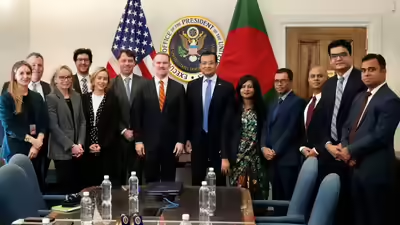
US Slashes Tariffs on Bangladeshi Goods to 19% Under New Trade Deal, Marking Historic Shift
In a significant boost to bilateral trade, the United States has reduced tariffs on Bangladeshi goods to 19% under a newly announced trade agreement, a move being described as historic by trade analysts and industry leaders.
The tariff cut is expected to strengthen Bangladesh’s export competitiveness in the US market, particularly in labor-intensive sectors such as garments, textiles, and light manufacturing.
A Major Break From the Past
The reduction marks one of the lowest average tariff levels Bangladesh has received from the US in recent decades. Previously, Bangladeshi exports faced higher duties, limiting their ability to compete with suppliers from countries enjoying preferential trade access.
Trade experts say the new tariff structure signals a shift in US trade policy toward greater engagement with emerging manufacturing economies.
Impact on Bangladesh’s Export Economy
The US is Bangladesh’s largest export destination, accounting for a substantial share of its garment and apparel shipments. Lower tariffs are expected to:
- Increase export volumes
- Improve profit margins for manufacturers
- Encourage capacity expansion and job creation
Bangladesh’s ready-made garment sector, which employs millions, is likely to be the biggest beneficiary.
Why the US Made the Move
Analysts suggest the tariff cut aligns with Washington’s efforts to diversify supply chains away from China and strengthen economic ties with South Asian partners. Bangladesh’s growing manufacturing base and cost competitiveness make it an attractive alternative sourcing hub.
The deal also reflects broader geopolitical and economic considerations amid shifting global trade patterns.
Industry and Market Reaction
Bangladeshi exporters have welcomed the announcement, calling it a “game-changer” for the country’s trade outlook. Shares of textile and apparel companies reacted positively, while industry associations urged the government to ensure compliance with labor and sustainability standards to retain trade benefits.
Challenges Ahead
Despite the optimism, experts caution that maintaining preferential access will require:
- Strong labor rights enforcement
- Environmental compliance
- Continued improvements in factory safety
Any backsliding could invite trade scrutiny or policy reversals.
Conclusion
The US decision to cut tariffs on Bangladeshi goods to 19% represents a landmark moment for bilateral trade relations. If leveraged effectively, the deal could accelerate Bangladesh’s economic growth and solidify its position in global supply chains.
Also Read : No-Confidence Motion Against Om Birla: Why Rahul Gandhi Did Not Sign the Notice