US Travel Ban Shock: America Bars Entry From 39 Countries Starting January 1 | Complete List Inside
The travel ban on citizens from 39 countries starting January 1. Check the complete list and key details
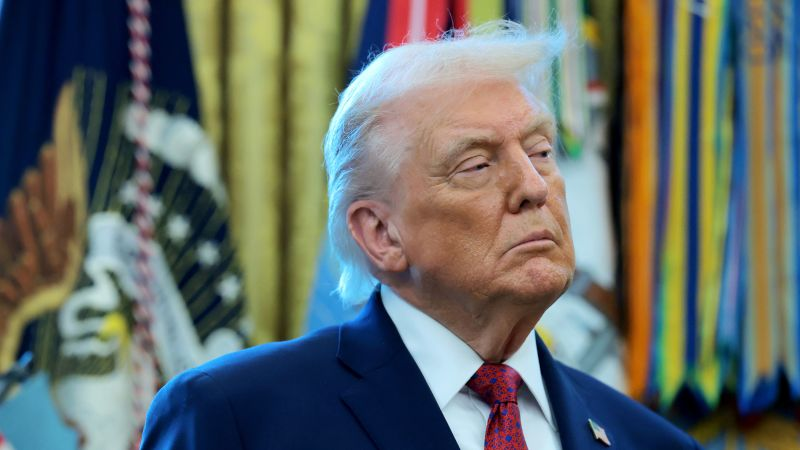
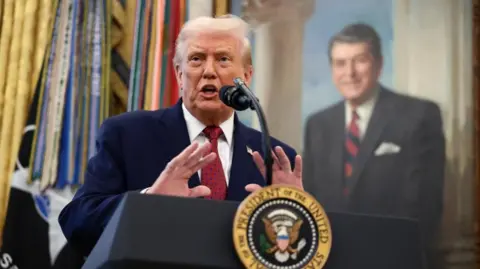
The United States has expanded its travel ban to include citizens from seven additional countries, effective January 1. President Trump signed a proclamation on December 16, 2025, limiting entry into the United States for citizens of 39 nations as well as those using travel documents provided by the Palestinian Authority (PA).
This proclamation, which will go into force on January 1, 2026, builds upon the June 4, 2025, one that prohibited some foreign nationals from 19 nations from entering the country.
Nationals of 19 countries will come under full suspension, while another 20 countries will face partial suspension.
Trump’s proclamation aims to restrict the entry of certain foreign nationals into the United States to prevent national security and public safety threats. The countries have been identified for which screening and vetting information was so deficient as to warrant a full or partial suspension.
The Administration referenced two immigration-related legal authorities: Section 212(f) of the Immigration and Nationality Act (INA), which grants the President the power to suspend the entry of any aliens deemed detrimental to U.S. interests, and INA §215(a), which allows the President to set limitations and exceptions regarding entry or departure from the United States.
This proclamation shall not apply to an individual who has been granted asylum by the United States or to a refugee who has already been admitted to the United States. The proclamation makes it clear that the ability of an individual to seek asylum, refugee status, withholding of removal, or protection under the Convention Against Torture will remain as it is.
Section 6(b) of the proclamation outlines exceptions to the restrictions, specifically identifying lawful permanent residents and dual nationals traveling on passports from non-designated countries as exempt.
In contrast to the June proclamation, the December proclamation excludes categorical exceptions for immediate relatives of U.S. citizens, adoptions, and Afghan SIVs.
The December proclamation extends and expands the June partial suspension of entry for nationals from seven to twenty countries. Those partially suspended include Angola, Antigua and Barbuda, Benin, Burundi, Cote d’Ivoire, Cuba, Dominica, Gabon, The Gambia, Malawi, Mauritania, Nigeria, Senegal, Tanzania, Togo, Tonga, Turkmenistan, Venezuela, Zambia, and Zimbabwe.
By January 1, 2026, nationals from specific countries outside the U.S. without a valid visa will face entry suspension. The proclamation continues the suspension for nationals from 12 countries and adds 7 more, including individuals with PA-issued travel documents. Entry is fully suspended for countries including Afghanistan, Burkina Faso, Burma, Chad, Republic of the Congo, Equatorial Guinea, Eritrea, Haiti, Iran, Laos, Libya, Mali, Niger, Sierra Leone, Somalia, South Sudan, Sudan, Syria, and Yemen.
The December proclamation lifts restrictions on nonimmigrants from Turkmenistan, while the entry of immigrants from Turkmenistan is still suspended. Laos and Sierra Leone transitioned from “partially suspended” to “fully suspended” in December.
The proclamation lacks an expiration date and instructs the Secretary of State, along with other officials, to report to the President every 180 days regarding the potential continuation, termination, modification, or supplementation of the suspensions.
The United States has announced a sweeping travel ban affecting citizens from 39 countries, set to take effect at 12:01 a.m. Eastern Standard Time on January 1, 2026. The expanded restrictions come under a presidential proclamation signed on December 16, 2025, representing one of the most extensive changes to US travel and immigration policy in recent years.
The move has global repercussions — reshaping travel plans, visa applications, educational opportunities, business trips, and diplomatic relations across continents. While the US government states the primary goal is national security and public safety, critics argue the wide scope of the ban will have far-reaching humanitarian and economic impacts.
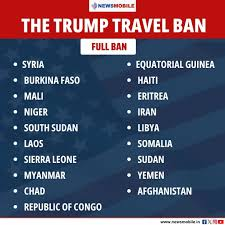
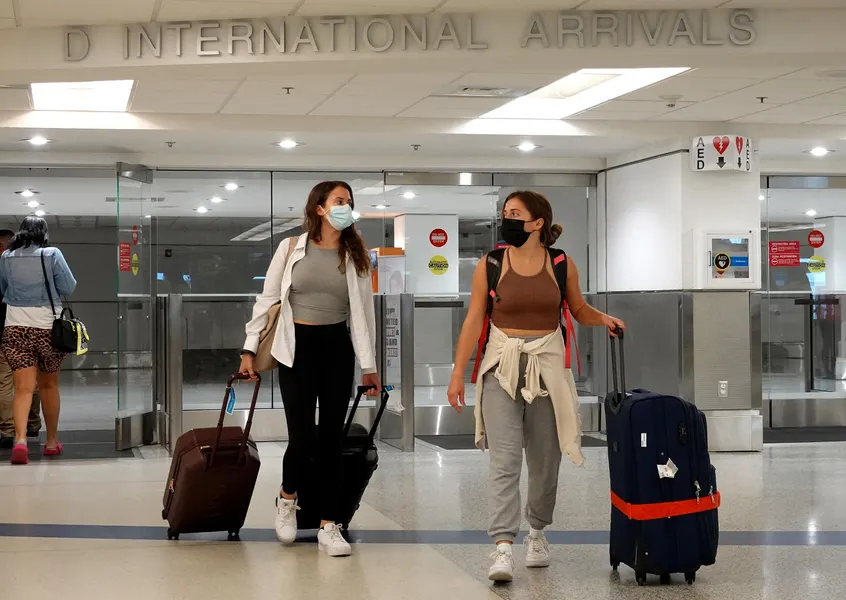
The travel ban comprises two main components: full entry suspensions and partial travel restrictions. Nationals of designated countries who are outside the United States on January 1, 2026, and do not hold a valid visa will face these new prohibitions on entry.
Under the expanded policy:
- 19 countries face a full travel ban — meaning immigrants and non-immigrant entry into the US is suspended unless individuals meet specific narrow exceptions.
- 20 countries are subject to partial restrictions, which limit certain types of visas (such as tourist, student, and work visas), while others may still be available under strict conditions.
The travel ban does not apply to foreign nationals already in the United States with valid visas or legal status, or to lawful permanent residents (green card holders). Dual nationals entering with passports from non-designated countries may also be exempt, depending on the situation.
These countries face complete entry restrictions for both immigrant and most non-immigrant visas unless an exception applies:
- Afghanistan
- Burkina Faso
- Burma (Myanmar)
- Chad
- Republic of the Congo
- Equatorial Guinea
- Eritrea
- Haiti
- Iran
- Laos
- Libya
- Mali
- Niger
- Sierra Leone
- Somalia
- South Sudan
- Sudan
- Syria
- Yemen
- Individuals holding travel documents issued by the Palestinian Authority are also barred under full ban rules.
Nationals from these countries will face limits on specific visas — including tourist (B-1/B-2), student (F, M), and exchange visitor (J) categories — and may undergo enhanced vetting or shorter visa validity:
- Angola
- Antigua and Barbuda
- Benin
- Burundi
- Cuba
- Côte d’Ivoire
- Dominica
- Gabon
- The Gambia
- Malawi
- Mauritania
- Nigeria
- Senegal
- Tanzania
- Togo
- Tonga
- Turkmenistan (immigrant bans only)
- Venezuela
- Zambia
- Zimbabwe
The White House has justified the travel ban as necessary to protect national security, citing concerns such as inadequate vetting systems, lack of sufficient information sharing with US authorities, and public safety risks. The expanded list was drawn from an earlier travel restriction policy issued in mid-2025, which initially covered fewer countries but has now been significantly broadened.
Officials argue that restricting entry for individuals from nations with deficient security screening protocols will reduce risks associated with visa fraud, identity verification gaps, and threats posed by criminal or extremist networks.
The travel ban has triggered reciprocal measures from some countries. For instance, Mali and Burkina Faso announced visa bans on US citizens in response to the US decision, escalating diplomatic tensions between Washington and certain African states.
Human rights groups and immigration advocates have sharply criticized the policy, asserting that it unfairly targets citizens of developing nations, disrupts global mobility, and can separate families or interrupt educational and professional journeys.
Despite the broad scope, there are several exemptions:
- Lawful permanent residents (green card holders)
- Individuals already in the United States with valid visas
- Dual nationals traveling with passports from non-designated countries
- Certain diplomatic and international organization visa categories
- Specific waivers for compelling cases may be granted on a case-by-case basis.
If you’re from a country on the full or partial travel ban list, plans to visit the United States after January 1, 2026 may face significant obstacles unless you already hold a valid visa or fall under one of the exemption categories.
Experts strongly recommend that individuals with upcoming travel, visa applications, or study plans review these changes carefully, consult legal counsel when needed, and monitor any updates from the US State Department or local consulates
Read Also : West Bengal SIR Shock: Unusual Patterns Found in Deleted Electors List | 7 Red Flags Exposed