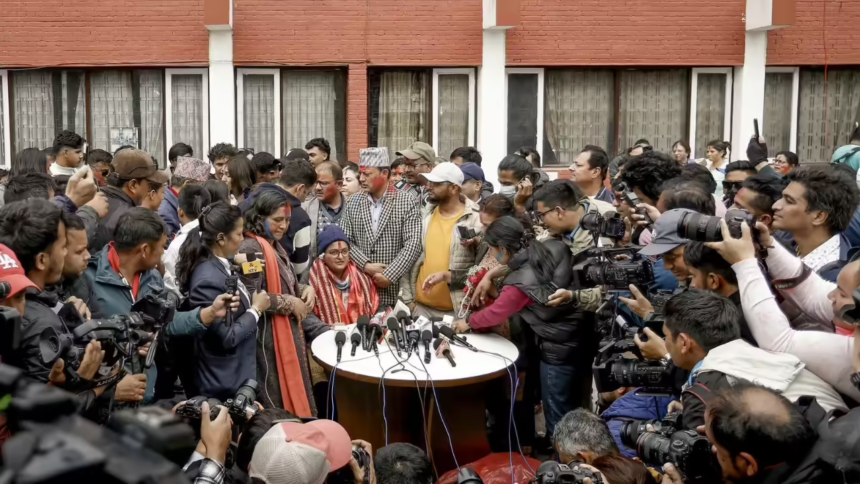
We Voted for You, Now Do Your Job”: 7 Strong Messages From Nepal’s Gen Z to New Leaders
Young voters in Nepal are sending a strong message to newly elected leaders after the elections, with Generation Z demanding accountability, reforms, and real action on jobs, governance, and corruption
The political landscape in Nepal is entering a new phase after recent elections, but the country’s young voters are making it clear that their expectations are higher than ever. Members of Generation Z—many of whom voted for the first time—are sending a strong message to newly elected leaders: deliver on your promises or face the consequences in the next election.
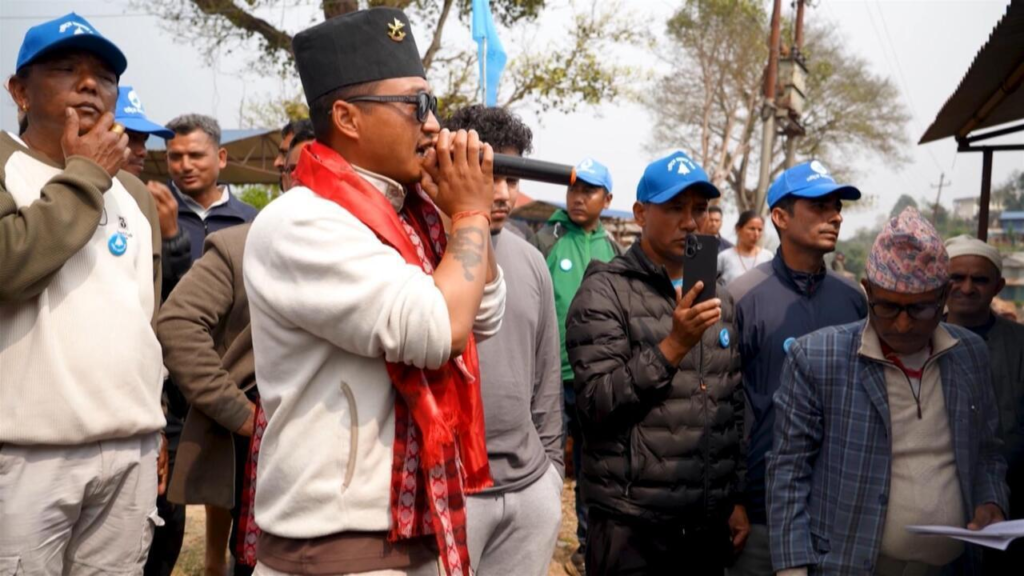
Across social media platforms, university campuses, and public forums, Nepal’s Gen Z voters have expressed frustration with traditional politics while also showing determination to push for meaningful reforms. Their message is simple yet powerful: “We voted for you, now do your job.”
Young citizens are demanding accountability, economic opportunities, transparency in governance, and policies that address the challenges faced by their generation. As the country’s leadership begins its new term, the voices of Gen Z are becoming increasingly influential in shaping the national conversation.
Here are seven major messages Nepal’s Gen Z voters are sending to their newly elected leaders.
One of the strongest messages from Nepal’s Gen Z voters is their frustration with political promises that fail to translate into real change.
For years, young people in Nepal have witnessed political leaders making ambitious campaign pledges that often remain unfulfilled once elections are over. This cycle has created widespread skepticism among the country’s youth.
Many young voters say they supported candidates who promised reform and modernization, but they now expect visible results within the next few years rather than vague assurances.
For Gen Z, the demand is clear:
- Transparent governance
- Clear policy implementation
- Measurable progress on major issues
They want leaders to prove that their votes truly matter.
Youth unemployment remains one of the most pressing challenges facing Nepal today.
Despite significant improvements in education access, many graduates struggle to find stable employment within the country. As a result, thousands of young Nepalis migrate abroad every year in search of better job opportunities.
Gen Z voters are urging political leaders to prioritize economic policies that create jobs at home. Their demands include:
- Investment in technology and innovation sectors
- Support for startups and entrepreneurship
- Expansion of industries that can employ young professionals
Many young citizens believe that without meaningful economic reform, Nepal risks losing an entire generation of talent to overseas migration.
Corruption has long been a major concern in Nepal’s political system. Young voters say that tackling corruption must be a top priority for the new government.
Members of Generation Z are particularly vocal about the need for transparency in public spending, government contracts, and political decision-making.
Through online campaigns and public discussions, youth activists have called for:
- Strong anti-corruption laws
- Independent oversight bodies
- Greater transparency in government operations
Many young voters believe that eliminating corruption is essential for building trust between citizens and political institutions.
Education remains a critical issue for Nepal’s youth.
Although many students graduate from universities each year, there is often a gap between academic education and the practical skills required in the job market.
Gen Z voters are calling on leaders to reform the education system by:
- Modernizing university curricula
- Expanding vocational training programs
- Promoting digital literacy and technology education
Young citizens argue that improving education is key to preparing the next generation for a rapidly changing global economy.
Another major concern for young voters is the state of infrastructure in Nepal.
From transportation and internet connectivity to energy supply, infrastructure challenges continue to affect economic growth and quality of life.
Members of Generation Z are urging leaders to invest in modern infrastructure projects that support development and improve everyday living conditions.
Some of the key priorities mentioned by young voters include:
- Reliable public transportation
- Improved roads and highways
- Faster internet connectivity
- Sustainable urban planning
They believe that infrastructure development is essential for attracting investment and creating new economic opportunities.
Climate change is an issue that resonates strongly with younger generations around the world, and Nepal’s youth are no exception.
The country is particularly vulnerable to environmental challenges such as:
- Melting glaciers in the Himalayas
- Flooding and landslides
- Air pollution in urban areas
Gen Z voters are urging leaders in Nepal to take climate change seriously and implement policies that protect the environment.
Their demands include:
- Investment in renewable energy
- Stronger environmental regulations
- Sustainable tourism practices
Many young activists argue that environmental protection must become a central part of national development strategies.
Perhaps the most important message from Nepal’s Gen Z voters is the need for greater youth participation in politics.
Although young people make up a large portion of the population, they often feel underrepresented in political decision-making.
Gen Z voters want leaders to actively engage with youth perspectives through:
- Youth advisory councils
- Public consultations
- Opportunities for young leaders to enter politics
They believe that policies affecting the future should include the voices of those who will live with their consequences.
The growing political engagement of Generation Z is transforming the political landscape in Nepal.
Young voters are increasingly using digital platforms to discuss policies, mobilize support for causes, and hold leaders accountable.
Social media has become a powerful tool for political engagement, allowing youth to amplify their voices and organize campaigns around issues that matter to them.
This shift reflects a broader global trend in which younger generations are becoming more active participants in democratic processes.
Unlike previous generations, Gen Z grew up in the digital era. As a result, social media platforms have become central to how young people engage with politics.
Online discussions often focus on:
- Government accountability
- Election promises
- Policy debates
Youth activists frequently use digital platforms to highlight issues, share information, and organize grassroots movements.
This digital activism has increased pressure on political leaders to respond quickly to public concerns.
While expectations are high, Nepal’s new leaders face significant challenges in meeting the demands of Gen Z voters.
Economic constraints, political divisions, and bureaucratic hurdles can slow down the implementation of reforms.
However, analysts say that addressing youth concerns is crucial for maintaining political stability and public trust.
If leaders fail to deliver meaningful progress, young voters may become increasingly disillusioned with traditional politics.
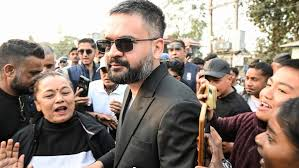
What makes Nepal’s Gen Z unique is their willingness to speak openly about political issues.
Many young citizens are no longer content to remain passive observers of politics. Instead, they are actively demanding accountability from those in power.
Their message—“We voted for you, now do your job”—reflects a growing determination to ensure that elected leaders fulfill their responsibilities.
Read Also : Stephanie Buttermore Dies in Her 30s: 7 Shocking Facts About Jeff Nippard’s Fiancée’s Tragic Death