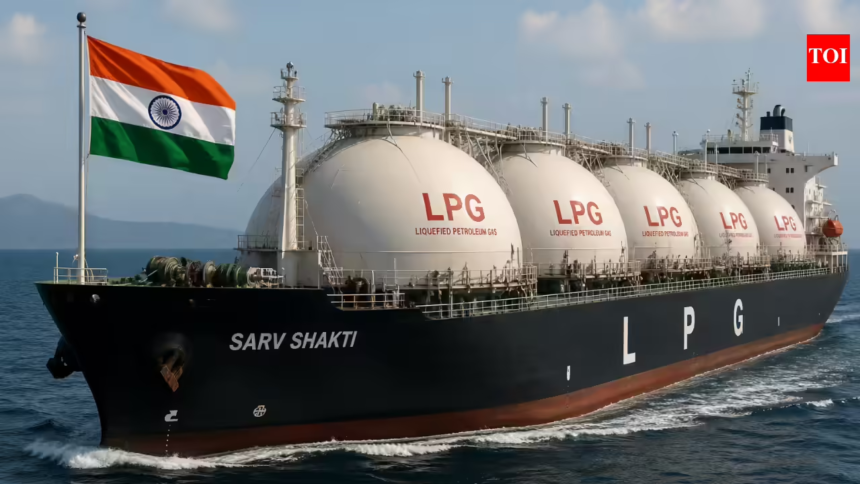
45,000-Tonne LPG Giant on Edge: 1 Critical Hormuz Crossing That Could Shake India’s Energy Security
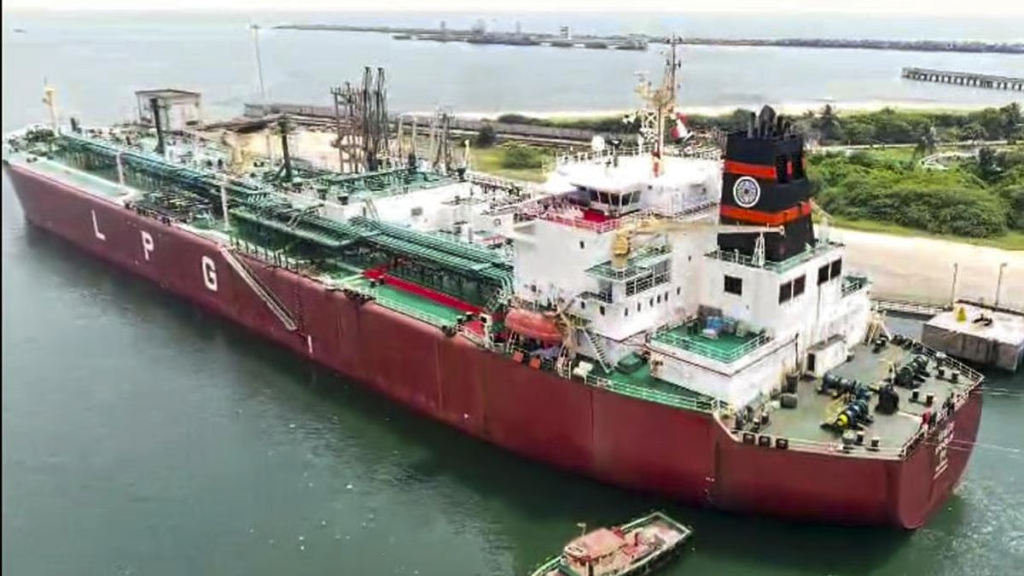
A 45,000-tonne LPG tanker prepares to cross the Strait of Hormuz, raising major concerns for India’s energy security
In a world already on edge due to rising geopolitical tensions, a single voyage can carry enormous consequences. That is exactly the case with a 45,000-tonne LPG tanker preparing to navigate one of the most sensitive maritime chokepoints on Earth—the Strait of Hormuz. Dubbed informally as “The Great Gas-by,” this high-stakes journey is not just another routine shipment. It represents a critical test of energy security, global trade stability, and geopolitical balance—especially for India.
The Strait of Hormuz is one of the world’s most vital shipping lanes. Connecting the oil-rich Persian Gulf to global markets, this narrow passage handles nearly 20% of the world’s oil and gas trade. Every day, millions of barrels of crude oil and large volumes of liquefied petroleum gas (LPG) pass through it.
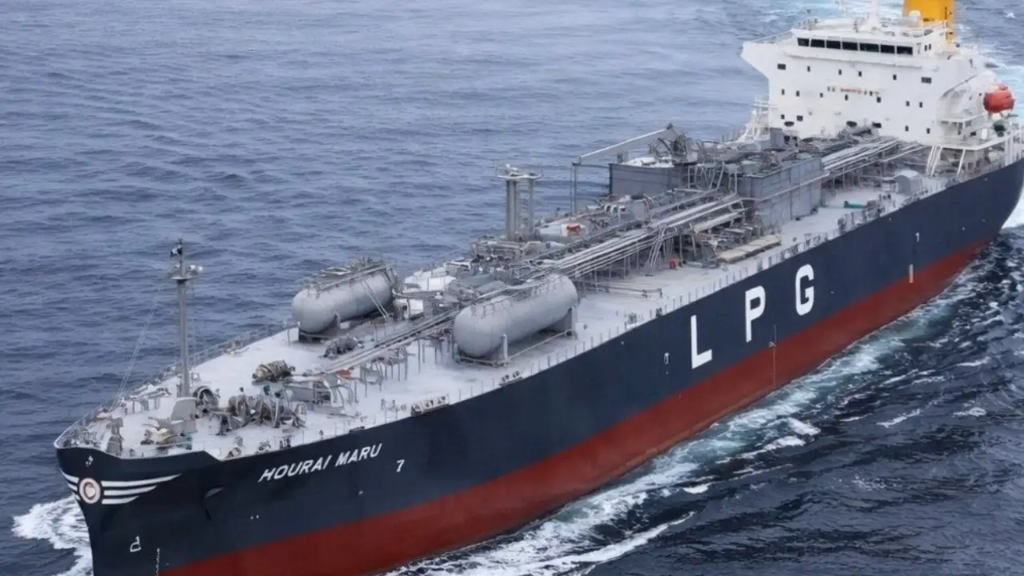
For India, the significance is even greater. The country imports a substantial portion of its LPG and crude oil from Gulf nations. Any disruption in this route can have immediate and severe consequences for:
- Domestic fuel prices
- Cooking gas availability
- Industrial production
- Overall economic stability
The current tanker’s journey comes at a time when tensions in the region have heightened risks, making every crossing through the strait a potential flashpoint.
At first glance, a 45,000-tonne LPG tanker might seem like just another vessel in global trade. However, this shipment carries immense importance.
Key Reasons Why This Voyage Matters:
1. Energy Supply for Millions
LPG is a primary cooking fuel for millions of households in India. Programs promoting clean cooking fuel have significantly increased LPG consumption, making steady imports essential.
2. Industrial Dependence
Industries such as petrochemicals, manufacturing, and transportation rely heavily on LPG. Any delay or disruption can impact production cycles.
3. Market Sentiment
Even the perception of risk in the Strait of Hormuz can trigger price volatility in global energy markets. This tanker’s safe passage could stabilize sentiments, while any disruption could cause panic.
The journey of this tanker is taking place amid escalating tensions in the Middle East. Military activities, drone strikes, and naval deployments have made the region increasingly volatile.
Recent developments have raised concerns about:
- Potential attacks on commercial vessels
- Blockades or restrictions in the strait
- Escalation between regional powers
Such conditions make the passage not just risky but also politically sensitive.
Shipping companies are now forced to weigh risks carefully, often requiring:
- Enhanced insurance coverage
- Security escorts
- Route adjustments
The cost of transporting energy has already increased due to these factors, which may eventually be passed on to consumers.
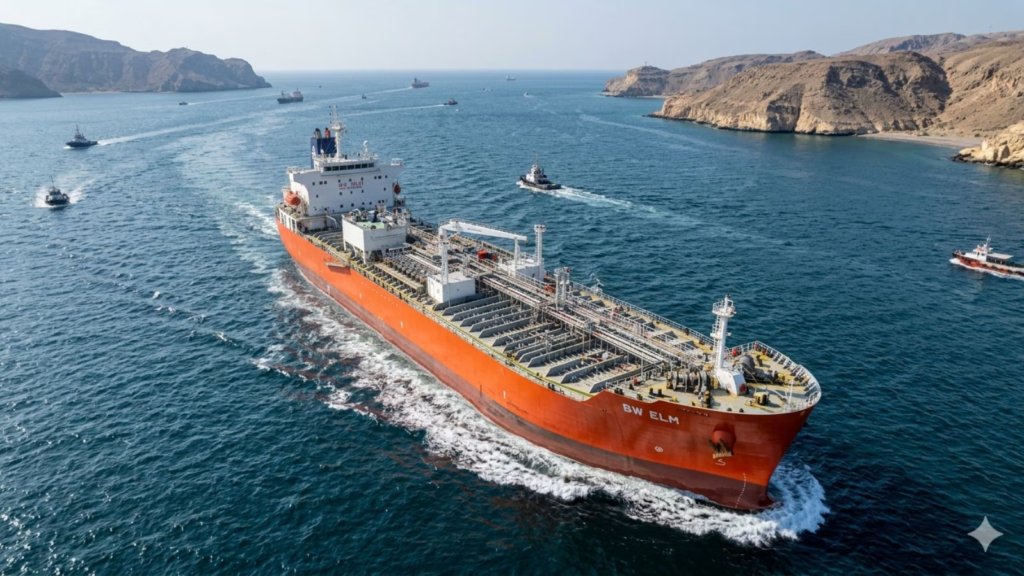
India is one of the largest energy importers in the world. Its dependence on external sources, particularly from the Gulf region, makes it vulnerable to disruptions in supply chains.
1. Dependence on LPG Imports
India imports a significant share of its LPG requirements. With growing demand driven by rural and urban consumption, uninterrupted supply is crucial.
2. Government Schemes and Demand Growth
Initiatives aimed at providing clean cooking fuel to households have increased LPG usage. This means any supply disruption could directly affect millions of families.
3. Price Sensitivity
Fuel prices in India are highly sensitive to global trends. A disruption in the Strait of Hormuz could lead to:
- Sharp increases in LPG cylinder prices
- Inflationary pressure on the economy
- Increased burden on government subsidies
The importance of this tanker extends beyond India. The Strait of Hormuz is a global artery, and any disruption can have widespread consequences.
1. Energy Prices Worldwide
A blockade or attack in the strait could push global oil and gas prices sharply higher, affecting economies worldwide.
2. Shipping Industry Impact
Shipping companies may reroute vessels or halt operations, leading to delays and increased costs.
3. Economic Uncertainty
Markets react quickly to geopolitical risks. Even minor incidents can trigger stock market volatility and currency fluctuations.
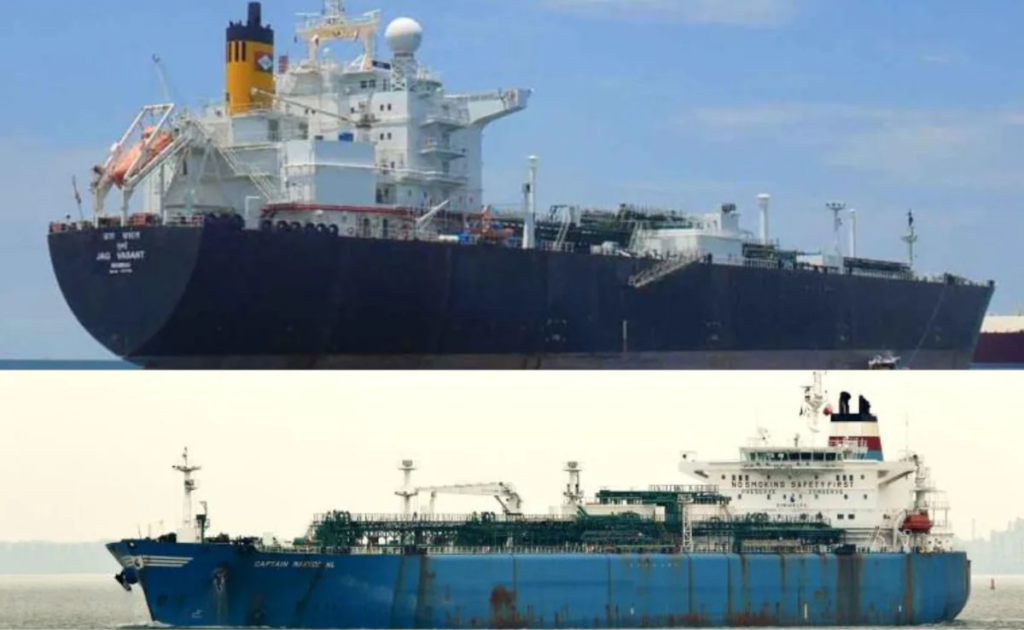
Recognizing the risks, India has been actively working to strengthen its energy security.
1. Diversification of Supply Sources
India is exploring alternative suppliers beyond the Gulf region to reduce dependence on a single route.
2. Strategic Reserves
The country has been building strategic petroleum reserves to cushion against short-term disruptions.
3. Diplomatic Engagement
India maintains strong diplomatic ties with key countries in the region, aiming to ensure safe passage for its energy imports.
4. Renewable Energy Push
Efforts to expand renewable energy sources are part of a long-term strategy to reduce reliance on imported fuels.
While geopolitical discussions often seem distant, the implications of this tanker’s journey are very real for ordinary citizens.
If disruptions occur:
- LPG cylinder prices could rise significantly
- Availability of cooking gas might be affected
- Transportation and food costs could increase
For a country like India, where LPG is a daily necessity, the impact would be felt immediately in households across cities and villages alike.
The heightened risk in the Strait of Hormuz has also led to a surge in insurance premiums for ships passing through the region.
- War risk insurance costs have increased
- Shipping companies face higher operational expenses
- Some vessels require naval escorts
These additional costs ultimately contribute to higher fuel prices globally.
While the current situation remains under watch, experts warn that the potential for a crisis cannot be ignored.
A worst-case scenario could involve:
- Complete closure of the Strait of Hormuz
- Large-scale attacks on commercial shipping
- Prolonged disruption of energy supplies
Such a scenario would have severe consequences not just for India but for the global economy.
The journey of this 45,000-tonne LPG tanker symbolizes more than just a shipment—it represents the resilience of global trade systems under pressure.
It highlights:
- The fragility of critical supply chains
- The importance of strategic planning
- The interconnected nature of global economies
For India, it serves as a reminder of the need to continuously strengthen its energy security framework.