48-Hour Twist: Raj Thackeray to Meet Maharashtra CM Saturday After Shinde Talks
Maharashtra politics heats up as Raj Thackeray prepares for a crucial meeting with the state CM just 48 hours after talks with Eknath Shinde. Here’s what this high-stakes political move could mean for Maharashtra’s power dynamics
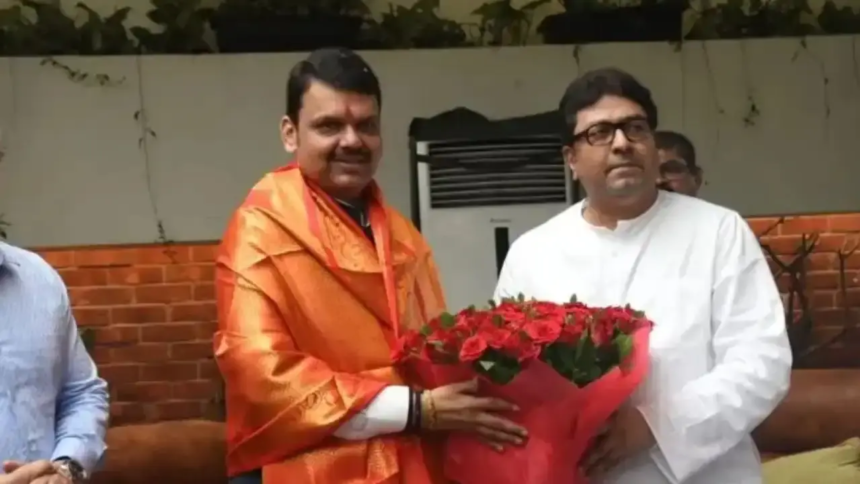
Maharashtra’s political landscape is once again buzzing with speculation and intrigue as Maharashtra Navnirman Sena (MNS) chief Raj Thackeray prepares for a crucial meeting with the state’s Chief Minister, just 48 hours after his high-profile interaction with Deputy CM Eknath Shinde. The rapid succession of meetings has triggered intense political chatter, with observers closely tracking what could be a significant development in the evolving power dynamics of Maharashtra politics.
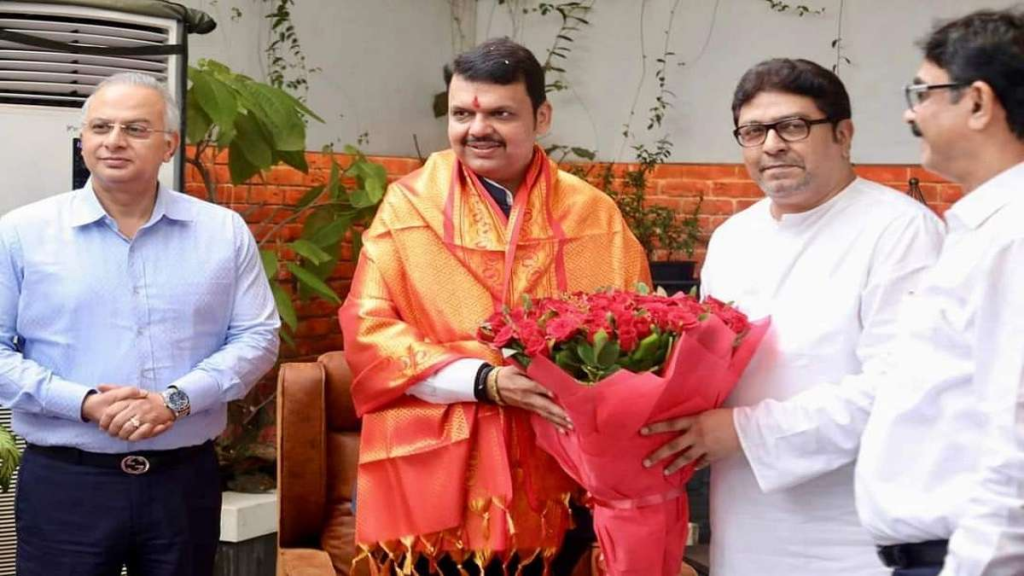
The political buzz began earlier this week when Raj Thackeray met Eknath Shinde in what was widely seen as a strategic conversation. While details of the meeting were not officially disclosed, political insiders suggested that the discussion touched upon key state issues, including governance, urban development, and upcoming political alignments.
Now, with Raj Thackeray scheduled to meet the Chief Minister within just two days of that interaction, speculation has intensified. The timing of these back-to-back meetings has led many to believe that something significant could be brewing behind the scenes.
Raj Thackeray has often played a unique role in Maharashtra politics. While his party may not command large legislative numbers, his influence over urban voters — particularly in Mumbai and surrounding regions — gives him strategic importance. His ability to shape public discourse and mobilize sentiment has historically made him a key player during politically sensitive phases.
Meeting both the Deputy Chief Minister and the Chief Minister within 48 hours signals a potential recalibration of equations. Political analysts suggest that such swift engagements are rarely coincidental and often indicate exploratory discussions around alliances, issue-based support, or strategic coordination.
Eknath Shinde’s rise in Maharashtra politics has been one of the most defining developments in recent years. After dramatically reshaping the state’s political alignment, Shinde has emerged as a central figure in the ruling establishment.
A meeting between Shinde and Raj Thackeray naturally raises questions about whether new political understandings are being explored. Both leaders command distinct voter bases but share overlapping influence in urban Maharashtra. Their interaction has fueled theories about possible tactical cooperation, especially with future elections always looming on the horizon.
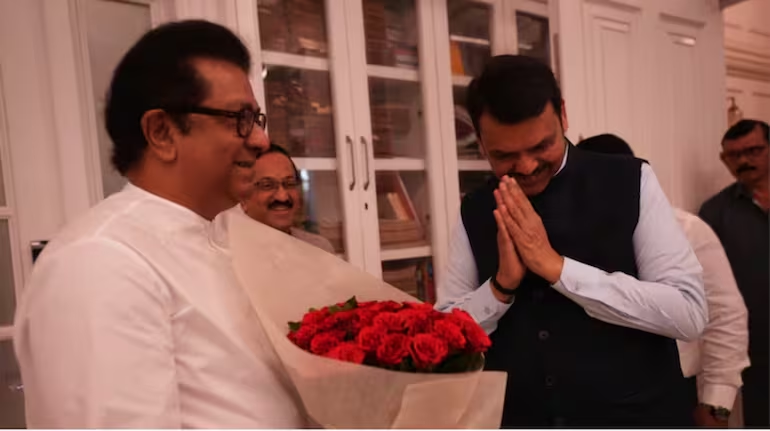
The upcoming Saturday meeting between Raj Thackeray and the Chief Minister has become the focal point of political speculation. While officially described as a routine discussion, the context surrounding it suggests deeper implications.
Political observers note that meetings at this level often serve multiple purposes. Beyond immediate governance concerns, they can also function as platforms for testing political chemistry, exploring future collaborations, or resolving emerging tensions.
The brevity of the gap between the two meetings — just 48 hours — has amplified curiosity. In political circles, timing is often seen as a message in itself.
Though no official agenda has been released, several key topics are believed to be part of the discussions:
1. Urban Governance Issues
Raj Thackeray has consistently raised concerns about infrastructure, transport, and civic planning in Mumbai and nearby cities. The meeting could involve discussions on urban reforms and administrative coordination.
2. Marathi Identity and Cultural Politics
The MNS has historically emphasized issues linked to Marathi identity and regional pride. With cultural debates resurfacing periodically, the discussions may touch upon language and identity-related policies.
3. Electoral Calculations
With political parties always preparing for upcoming electoral battles, back-channel conversations often begin well in advance. Even if no immediate alliance emerges, groundwork for future strategies could be underway.
4. Issue-Based Support
In contemporary politics, parties sometimes extend support on specific issues without entering formal alliances. Such arrangements allow flexibility while maintaining political independence.
As news of the back-to-back meetings spread, reactions from across the political spectrum began pouring in. Opposition leaders have expressed skepticism, suggesting that the rapid engagements indicate shifting political alignments.
Some critics have described the meetings as a sign of political opportunism, while others have framed them as routine democratic engagement. Meanwhile, supporters of Raj Thackeray have emphasized that engaging with multiple leaders reflects political maturity and openness to dialogue.
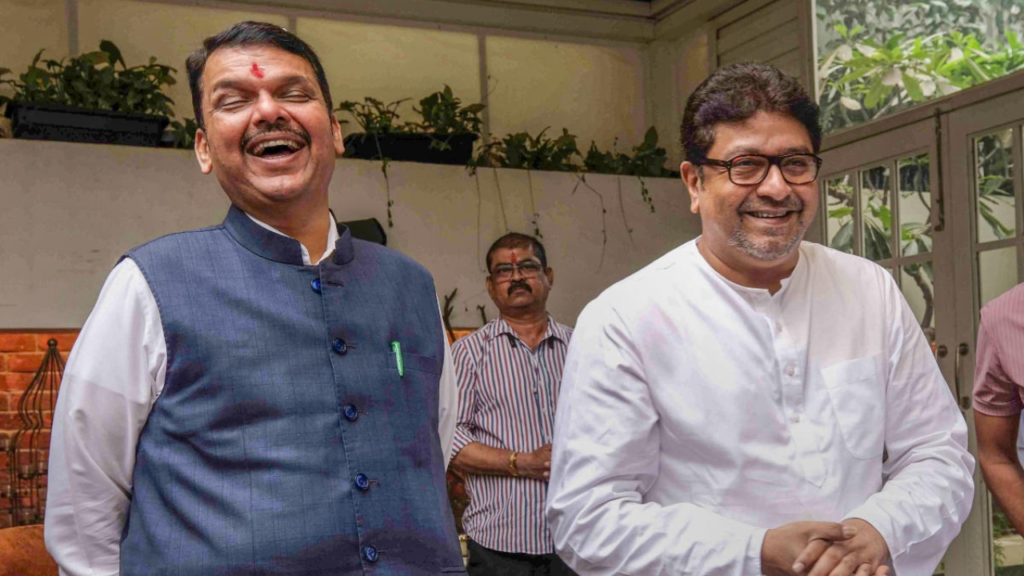
Raj Thackeray’s political style has often been marked by unpredictability. Known for his fiery speeches and independent positioning, he has maintained a distinct identity separate from both traditional alliances and rigid ideological camps.
This unpredictability is precisely what makes his meetings politically significant. Unlike leaders who operate strictly within coalition frameworks, Raj Thackeray has often kept his options open, making every high-level interaction subject to intense analysis.
Maharashtra has witnessed a series of dramatic political developments in recent years, including shifting alliances, internal rebellions, and unexpected leadership transitions. The state’s political ecosystem has become increasingly fluid, with alignments evolving rapidly.
In such an environment, even routine meetings can carry outsized significance. Leaders are constantly reassessing strategies, building relationships, and preparing for multiple scenarios.
The upcoming meeting fits into this broader pattern of dynamic political recalibration.
The media has been closely tracking every update related to the meetings. Political commentators have debated whether the interactions signal a thaw in relationships, a tactical maneuver, or simply an exchange of views on governance matters.
On social media, the topic has sparked lively discussions, with users offering a wide range of interpretations. Some see the meetings as a precursor to major political realignments, while others believe they may ultimately yield little beyond symbolic value.
Interestingly, both camps have largely maintained strategic silence regarding the details of the meetings. Such restraint is not uncommon in high-stakes political situations, where ambiguity often serves as a tactical advantage.
By avoiding detailed disclosures, leaders retain flexibility and keep political observers guessing. This ambiguity also allows space for negotiations to evolve without external pressure.
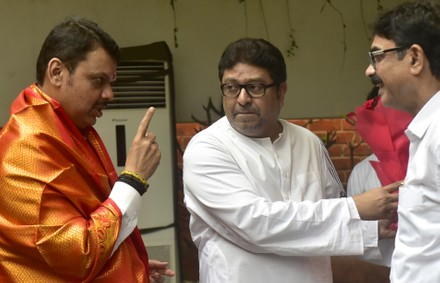
If the meetings lead to tangible outcomes, they could reshape Maharashtra’s political equations. Even subtle shifts in alignments can have ripple effects across party strategies, coalition dynamics, and electoral narratives.
However, it is equally possible that the meetings remain exploratory, serving as platforms for dialogue rather than decisive action. In politics, not every high-profile interaction results in immediate transformation.
Still, the symbolism of rapid back-to-back meetings cannot be ignored. It suggests a willingness to engage, explore, and possibly recalibrate.
In modern politics, leaders increasingly adopt flexible engagement strategies. Instead of rigid alliances, many prefer maintaining open channels across the spectrum. This approach allows adaptability in an era marked by volatile public opinion and fast-changing political landscapes.
Raj Thackeray’s meetings may reflect this broader trend, where dialogue is used as a strategic tool rather than a definitive indicator of alignment.
All eyes are now on Saturday’s meeting, which could offer clearer signals about the direction of Maharashtra politics. Whether it leads to concrete outcomes or remains a symbolic interaction, the political significance of the moment is undeniable.
Observers will be watching closely for subtle cues — body language, post-meeting statements, and political reactions — to decode the larger message behind the engagement.
Read Also : India AI Summit 2026: 8-Year-Old Sikh Boy Makes History as Youngest Keynote Speaker