“Behind-the-Scenes Mastermind?” 5 Explosive Observations as Delhi Court Names Youth Congress Chief Uday Bhanu Chib in AI Summit Protest Case
A Delhi court makes 5 explosive observations in the AI Summit protest case, alleging Youth Congress chief Uday Bhanu Chib operated “behind the scenes,” intensifying the political storm
A political storm has erupted after a Delhi court made strong observations against Uday Bhanu Chib, the national president of the Indian Youth Congress, in connection with protests during a high-profile AI summit held in New Delhi. The court’s remark that Chib allegedly “operated from behind the scenes” has added a dramatic new layer to an already charged case, triggering political reactions, legal debates, and wider questions about protest accountability in India’s evolving digital age.
The case stems from demonstrations that took place outside a major international artificial intelligence summit hosted in the national capital. The event, attended by policymakers, global tech leaders, and political representatives, was positioned as a flagship initiative aimed at projecting India as a global AI powerhouse. However, the summit was overshadowed by protests led by youth activists and political workers, who accused the government of ignoring concerns around data privacy, unemployment linked to automation, and lack of inclusive digital policies.
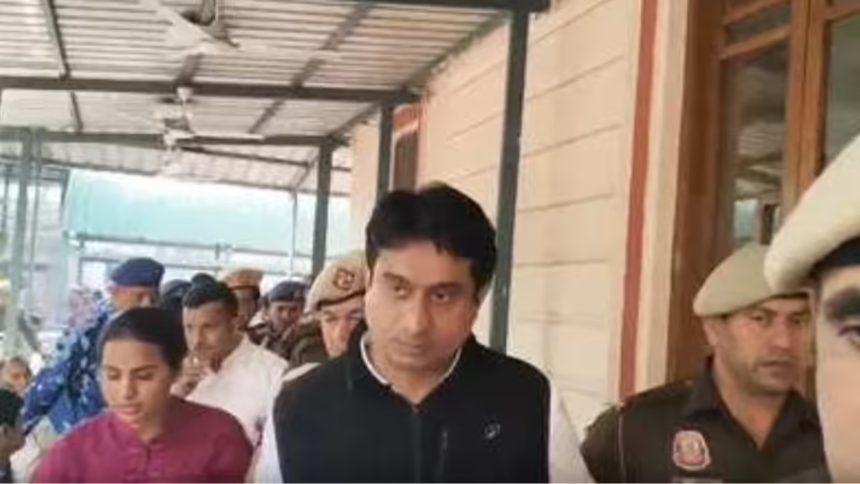
During recent proceedings, the Delhi court made pointed observations while reviewing evidence presented by investigators. According to court remarks that quickly went viral, Chib was described as someone who may have “operated from behind the scenes” in coordinating the protests. The phrase, widely picked up by media outlets, has become the focal point of the controversy.
Legal experts note that such observations, while not amounting to a conviction, carry significant weight in public discourse. Judicial comments during hearings often shape perception, especially in politically sensitive cases. The court reportedly cited digital communication records, witness statements, and organizational links as part of the preliminary material considered during the hearing.
However, the court has not yet delivered a final verdict on Chib’s legal liability. The matter remains under judicial consideration, and further hearings are expected.
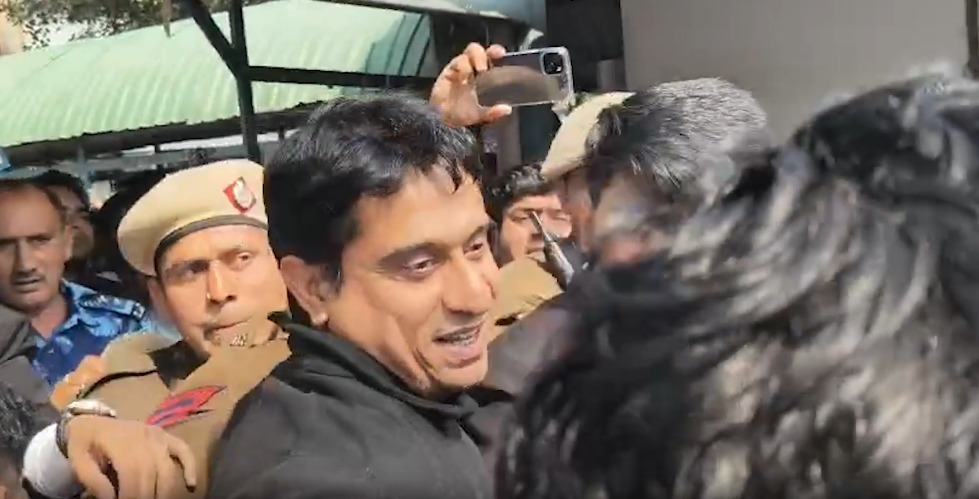
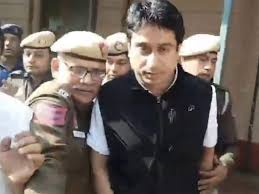
The protest case revolves around allegations of unlawful assembly, disruption of public order, and potential incitement. Authorities claim that demonstrators attempted to block access to summit venues and clashed with security personnel, prompting police intervention. Several protesters were detained on the day of the incident, while investigations continued in the weeks that followed.
Law enforcement agencies allege that the protests were not entirely spontaneous but involved a level of coordination. Investigators claim that digital trails, including encrypted messaging groups and internal communications, point toward organized planning. It is within this framework that Chib’s alleged involvement is being examined.
On the other hand, protest organizers maintain that the demonstrations were peaceful and part of democratic dissent. They argue that raising questions about emerging technologies such as artificial intelligence should not be criminalized.
The court’s remarks have triggered sharp political reactions across party lines. Leaders aligned with the ruling establishment have cited the court’s observations as validation of their claim that opposition-backed protests are often orchestrated to disrupt national events. Some commentators have framed the controversy as evidence of politicization of civil activism.
Meanwhile, the Congress party and its youth wing have strongly defended Chib. Party leaders have described the allegations as politically motivated and accused authorities of targeting opposition voices. Supporters argue that court observations during hearings should not be misinterpreted as proof of wrongdoing.
The episode has reignited broader debates around the shrinking space for protest and dissent in India. Civil society groups have also weighed in, urging restraint in drawing conclusions before the judicial process runs its course.
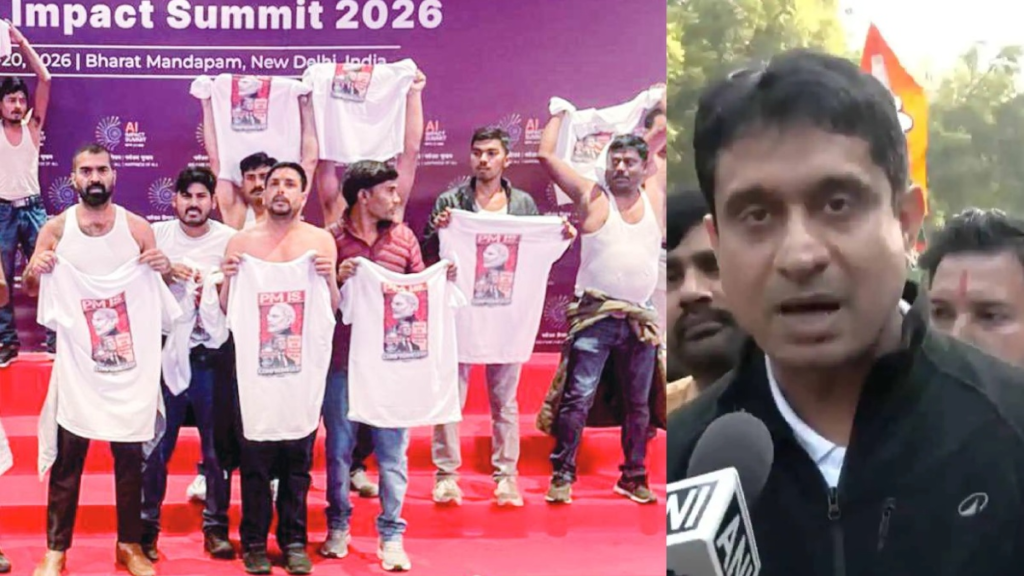
The Indian Youth Congress has adopted a defiant stance following the court’s observations. In public statements, party representatives have reiterated that their organization supports peaceful protest as a democratic right. They have also questioned the narrative that youth-led demonstrations must necessarily be centrally orchestrated.
Supporters of Chib argue that labeling leaders as “behind-the-scenes operators” risks delegitimizing grassroots activism. They contend that political youth organizations often mobilize supporters openly, and attempts to portray such mobilization as covert operations may distort the reality of political engagement.
The youth wing has also indicated that it will challenge any adverse findings legally and continue its activism on issues related to employment, technology governance, and democratic rights.
At the heart of the controversy lies the broader context of India’s rapidly expanding role in the global artificial intelligence ecosystem. The AI summit itself was designed to showcase India’s ambitions in emerging technologies, with discussions covering AI governance, innovation ecosystems, and global partnerships.
However, the protests highlighted a growing tension between technological progress and social concerns. Critics argue that while AI offers transformative potential, it also raises serious questions about job displacement, algorithmic bias, and digital inequality. For many youth activists, the summit represented not just a technological milestone but also a symbol of policy priorities they believe need deeper scrutiny.
The case involving Chib has therefore become more than a legal dispute — it has evolved into a flashpoint in the broader debate over how India navigates the intersection of politics and technology.
Legal analysts caution against reading too much into preliminary judicial observations. Courts often make interim remarks based on available material, which may evolve as more evidence is presented. The final outcome of the case will depend on a comprehensive evaluation of facts, testimonies, and legal arguments.
Several legal experts have emphasized that being named in court observations does not automatically translate into guilt. The principle of due process remains central to India’s legal framework, and the burden of proof lies with investigators and prosecutors.
At the same time, the reputational impact of such remarks can be significant, especially for public figures. In the age of social media, courtroom comments can rapidly morph into political narratives, often detached from legal nuance.
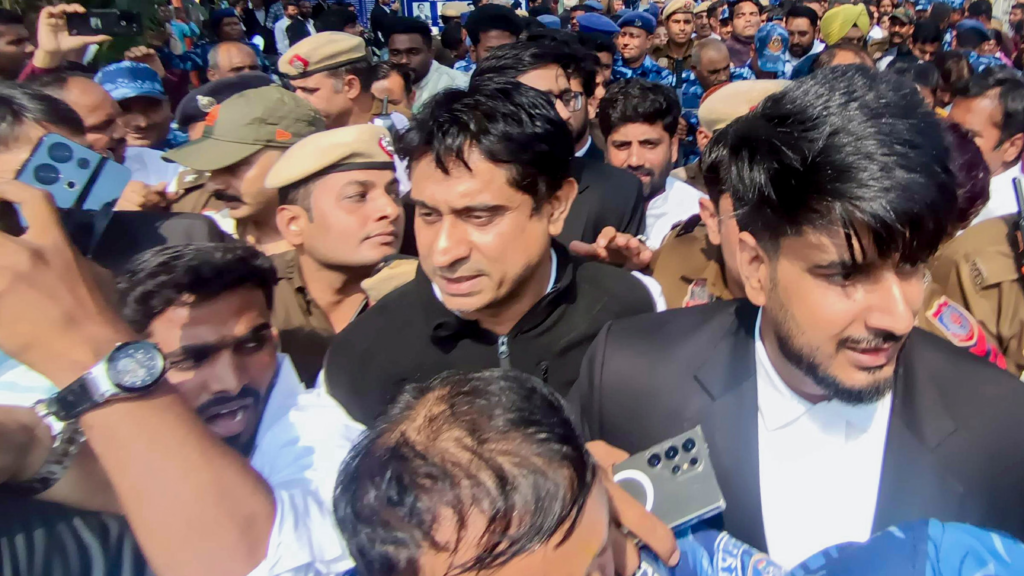
The phrase “operated from behind the scenes” quickly trended across news platforms and social media, demonstrating how legal language can shape public discourse. Headlines and debates amplified the court’s observations, sometimes without the broader legal context.
This phenomenon reflects a growing pattern where legal developments unfold simultaneously in courtrooms and digital spaces. Public perception is increasingly influenced not just by judicial outcomes but also by how proceedings are reported and interpreted.
For Chib and his supporters, the battle is therefore twofold — legal and reputational. Managing the narrative outside court may prove as crucial as contesting the case within it.
The controversy raises larger questions about the future of political activism in India, particularly among youth groups. If organizers of protests face heightened scrutiny and legal risk, it could reshape how political mobilization unfolds in the years ahead.
Some observers argue that stricter accountability could deter disruptive protests and ensure law and order. Others worry that excessive legal pressure may discourage legitimate dissent, potentially narrowing democratic space.
The case may ultimately serve as a precedent, influencing how authorities and courts interpret the role of political leaders in protest movements.
As the case progresses, all eyes will remain on the courtroom. Further hearings are expected to examine additional evidence and arguments from both sides. The final judicial outcome will likely have implications beyond the individuals involved, potentially shaping legal interpretations of protest leadership and accountability.
For now, the Delhi court’s observations have already left a deep political imprint. Whether they translate into legal consequences remains to be seen, but the episode has undeniably intensified debates around dissent, technology, and the boundaries of political activism in modern India.