7 Explosive Geopolitical Headwinds Facing PM Narendra Modi’s High-Stakes Israel Visit in 2026
Explore the 7 explosive geopolitical challenges surrounding PM Narendra Modi’s high-stakes 2026 Israel visit, from Middle East tensions to global power shifts and strategic India-Israel ties
Prime Minister Narendra Modi’s anticipated visit to Israel in 2026 is shaping up to be one of the most geopolitically sensitive diplomatic engagements of the year. While India and Israel have steadily deepened their ties over the past decade, shifting global dynamics and mounting regional tensions are casting a shadow over what would otherwise be a landmark visit. From escalating Middle East conflicts to evolving alliances among major powers, Modi’s Israel trip is unfolding at a time when diplomacy demands careful balance and strategic foresight.
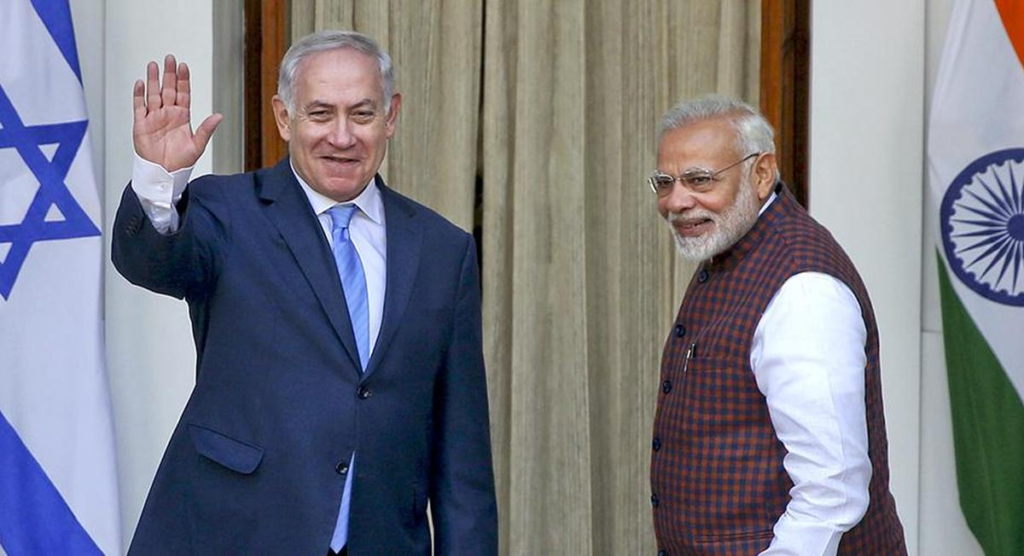
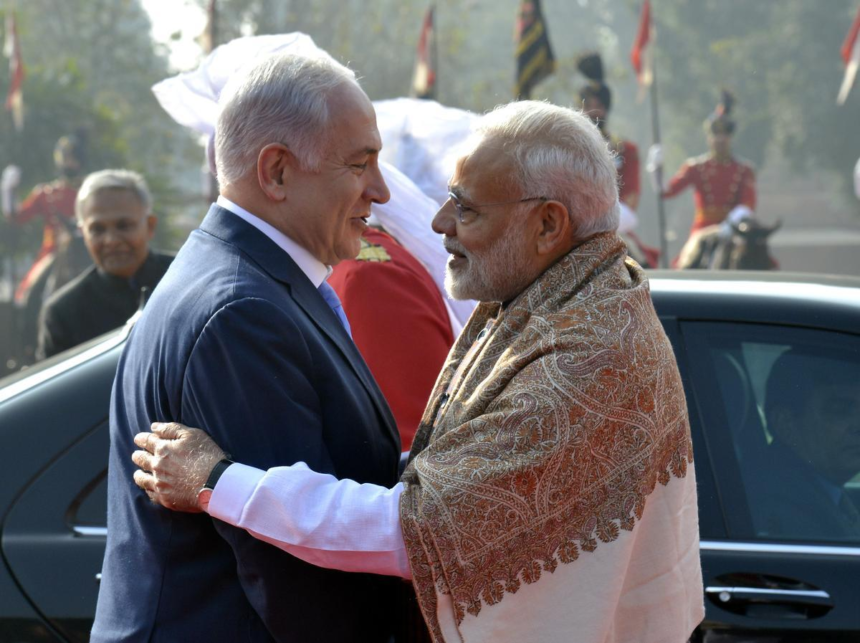
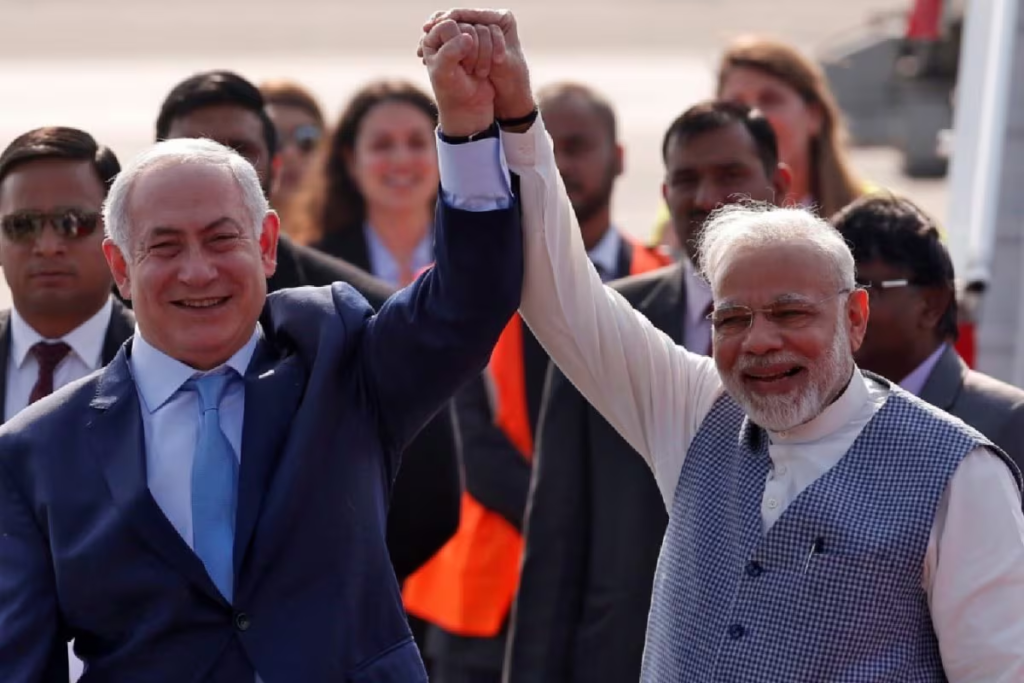
India and Israel share a robust and multi-dimensional partnership that spans defense, agriculture, technology, cybersecurity, and intelligence cooperation. Since establishing full diplomatic ties in 1992, the relationship has steadily matured, but it was Modi’s historic 2017 visit — the first by an Indian prime minister — that elevated the partnership to a strategic level.
Today, Israel remains one of India’s top defense suppliers, providing advanced missile systems, drones, and surveillance technology. Collaboration in agriculture and water management has also delivered tangible benefits across Indian states. However, the geopolitical context in 2026 is far more volatile than it was during earlier engagements.
Modi’s upcoming visit is expected to reaffirm India’s commitment to deepening ties with Israel, but it also comes at a time when global expectations and regional sensitivities are intensifying.
The biggest geopolitical headwind facing the visit is the deteriorating security environment across the Middle East. Renewed hostilities involving Israel and Palestinian factions, including the militant group Hamas, have triggered global concern and polarized international opinion.
India has historically walked a diplomatic tightrope in the region — maintaining strong ties with Israel while supporting the Palestinian cause and advocating a two-state solution. This balanced approach has served New Delhi well, but it also means Modi’s visit will be scrutinized by countries and constituencies that expect India to uphold its traditional neutrality.
Domestically, the optics of the visit could spark debate, particularly among observers who argue that India must maintain strategic autonomy in West Asian geopolitics.
Another critical dimension shaping the visit is India’s relationship with Iran. Tehran remains a key partner for India in terms of energy security and regional connectivity, especially with projects such as the Chabahar Port, which provides India strategic access to Afghanistan and Central Asia.
Iran’s adversarial relationship with Israel adds complexity to Modi’s diplomatic calculus. A high-profile visit to Israel amid heightened tensions could be viewed unfavorably in Tehran, potentially affecting bilateral cooperation in trade, energy, and regional connectivity initiatives.
New Delhi will likely calibrate its messaging carefully to avoid alienating Iran while strengthening its strategic engagement with Israel.
Modi’s Israel visit also intersects with broader global power dynamics, particularly involving the United States. Washington remains Israel’s closest ally and has been actively reshaping alliances in the Middle East to counter emerging geopolitical challenges.
India’s expanding strategic convergence with the United States — particularly in the Indo-Pacific — adds another layer of complexity. A deeper India-Israel partnership could be seen as part of a broader alignment with U.S.-led geopolitical frameworks, potentially raising concerns among countries that view such blocs with suspicion.
At the same time, India has consistently emphasized its policy of multi-alignment, engaging with multiple global powers without becoming part of rigid alliances. Modi’s diplomatic messaging during the visit will likely reflect this balancing act.
In today’s hyper-connected world, international visits are not just about policy outcomes but also about perception. Modi’s Israel visit will be closely watched by domestic audiences in India as well as international observers.
Supporters view the visit as a reaffirmation of India’s pragmatic foreign policy and its willingness to engage assertively on the global stage. Critics, however, may question whether closer alignment with Israel risks complicating India’s ties with Arab nations, many of which are vital for energy imports and host millions of Indian expatriates.
Arab countries have, in recent years, improved relations with Israel, but the Palestinian issue remains emotionally and politically sensitive across the region. India’s challenge lies in reinforcing its partnerships with Israel without undermining its longstanding goodwill in the Arab world.
Beyond geopolitics, the visit carries significant economic implications. Israel is a global leader in innovation, particularly in areas such as artificial intelligence, defense technology, water management, and agri-tech — sectors that align closely with India’s development priorities.
Strengthening technology transfers and joint ventures could accelerate India’s modernization goals. Cooperation in cybersecurity and defense innovation is also expected to feature prominently in discussions, especially as India seeks to enhance its indigenous defense capabilities.
However, economic engagement cannot be insulated from geopolitical realities. Companies and investors often factor in geopolitical risk, meaning regional instability could impact the pace and scale of collaborations.
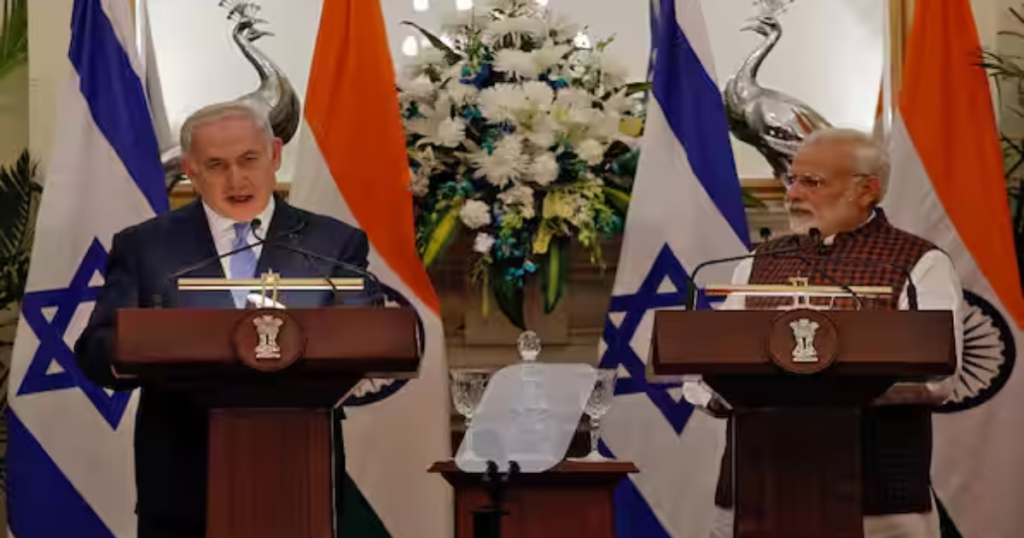
India has consistently reiterated its support for a two-state solution involving both Israel and Palestine. Modi’s visit is expected to reiterate this stance, emphasizing India’s commitment to peace and dialogue.
While India has strengthened ties with Israel, it has also maintained development partnerships with Palestine, including infrastructure projects and capacity-building initiatives. This dual engagement reflects India’s broader diplomatic philosophy of maintaining relationships across divides.
The success of Modi’s visit may ultimately hinge on how effectively India communicates this balanced approach to both domestic and international audiences.
Diplomatic symbolism will play a crucial role during the visit. The tone of joint statements, the framing of agreements, and Modi’s public messaging will all be closely analyzed for signals about India’s strategic direction.
Observers expect India to emphasize themes such as innovation, resilience, and shared democratic values while carefully avoiding rhetoric that could be interpreted as taking sides in regional conflicts.
India’s foreign policy establishment has traditionally favored calibrated language, and this visit is likely to continue that trend, blending strategic clarity with diplomatic nuance.
Ultimately, Modi’s Israel visit represents more than a bilateral engagement — it is a litmus test for India’s evolving foreign policy doctrine. New Delhi has increasingly positioned itself as a global bridge-builder, capable of engaging competing powers without being drawn into binary alliances.
Navigating the geopolitical headwinds surrounding the visit will require deft diplomacy, strategic messaging, and careful stakeholder management. If executed effectively, the visit could reinforce India’s reputation as a confident and independent global actor.
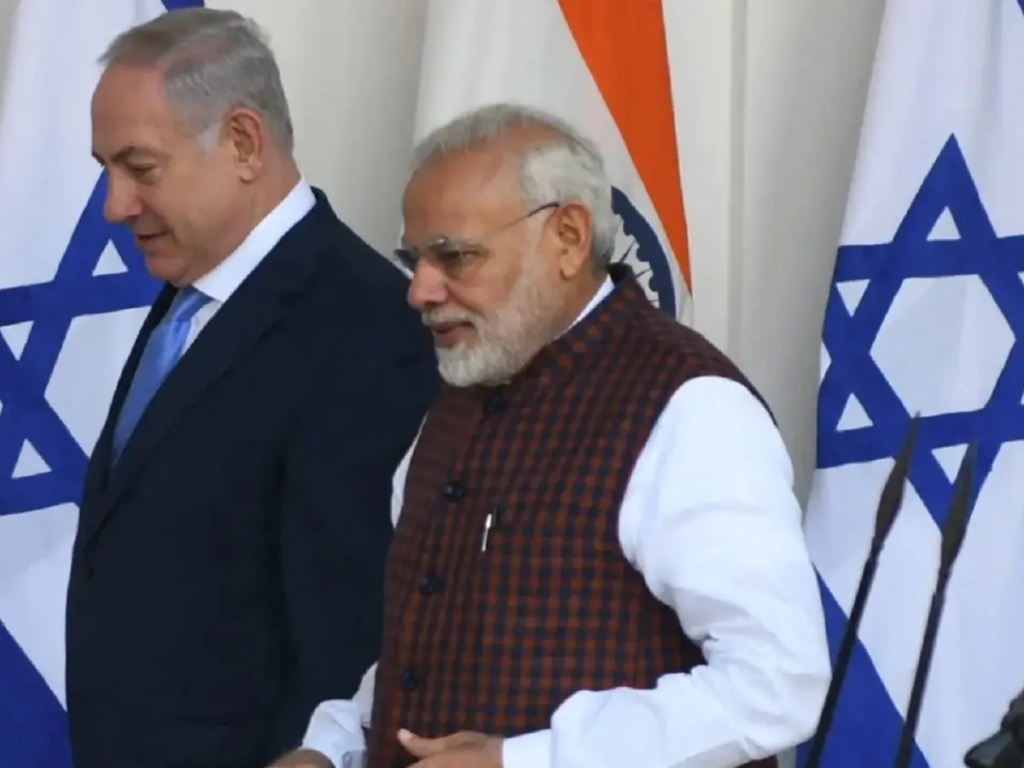
As the world watches closely, Modi’s Israel visit is poised to be a defining moment in India’s diplomatic calendar. It encapsulates the opportunities and challenges of a rapidly changing global order, where partnerships are fluid and geopolitical equations are constantly shifting.
Whether the visit strengthens India’s strategic leverage or exposes the limits of its balancing act will depend on how skillfully New Delhi manages the competing pressures at play. What is clear, however, is that the visit will carry implications far beyond bilateral ties — shaping perceptions of India’s global role in an increasingly polarized world.
In an era defined by geopolitical uncertainty, Modi’s Israel visit underscores a fundamental reality of modern diplomacy: every handshake carries strategic weight, and every visit sends a message far beyond the room where it takes place.