

Mumbai Slum Survey Reveals Nearly 13 Lakh Homes Through Citywide Biometric Drive
Mumbai citywide biometric survey identifies nearly 13 lakh slum homes, paving the way for improved housing, planning, and urban development
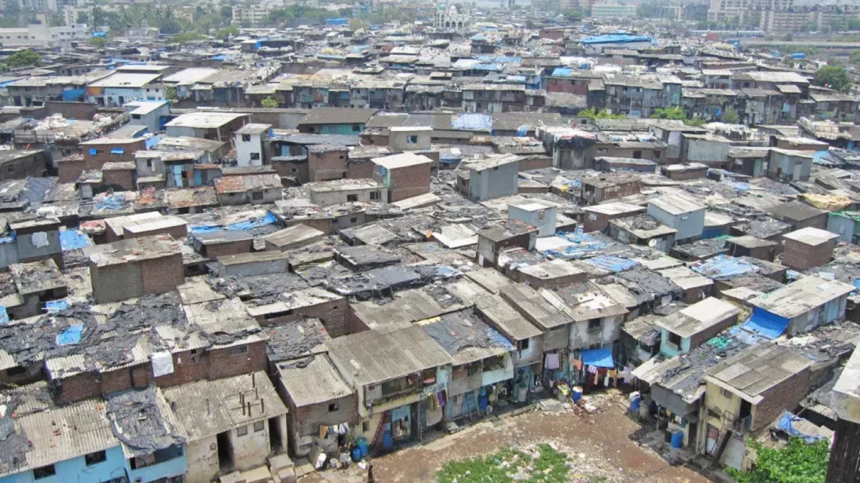
In a landmark urban initiative, the Mumbai Municipal Corporation has completed a comprehensive citywide biometric survey that has identified nearly 13 lakh slum homes across the city. The massive exercise, hailed as one of the largest of its kind in India, aims to enhance urban planning, improve housing schemes, and streamline delivery of citizen services to some of the city’s most vulnerable residents.
This historic survey comes amid growing concerns over Mumbai’s housing crisis, rapid urbanization, and the need for data-driven governance. By mapping slum households with biometric verification, the city administration now has precise, verified data that will aid in better planning of resources, welfare schemes, and urban development projects.
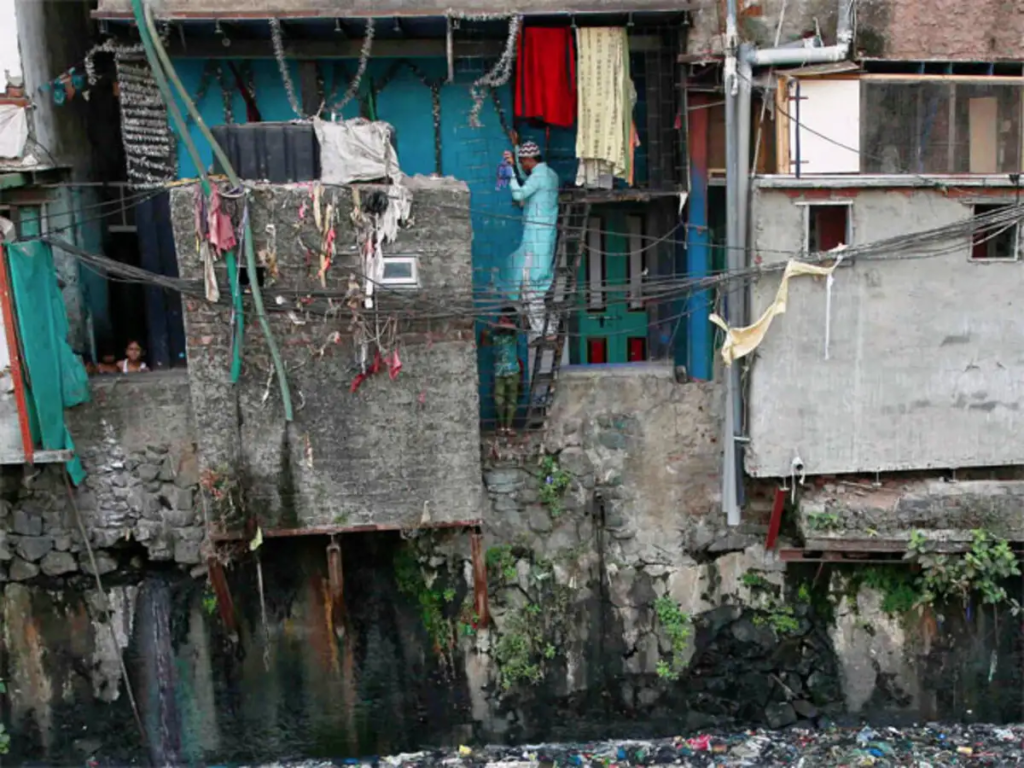
The citywide biometric survey, conducted over several months, involved door-to-door enumeration of slum households across all 24 wards of Mumbai. Government officials and trained field workers collected biometric data, household details, and demographic information, ensuring that every slum household was accounted for.
Key aspects of the survey included:
- Identification of nearly 13 lakh slum homes across Mumbai, covering both notified and non-notified slums.
- Collection of resident demographics, including age, family size, and occupation.
- Biometric verification of household heads to prevent duplication and ensure accuracy.
- Mapping slum locations using GIS and satellite technology, enabling urban planners to visualize settlement patterns.
Officials emphasized that this survey is unprecedented in scale, providing verified, reliable data for the first time in Mumbai’s history, which will be crucial for policy formulation and targeted interventions.
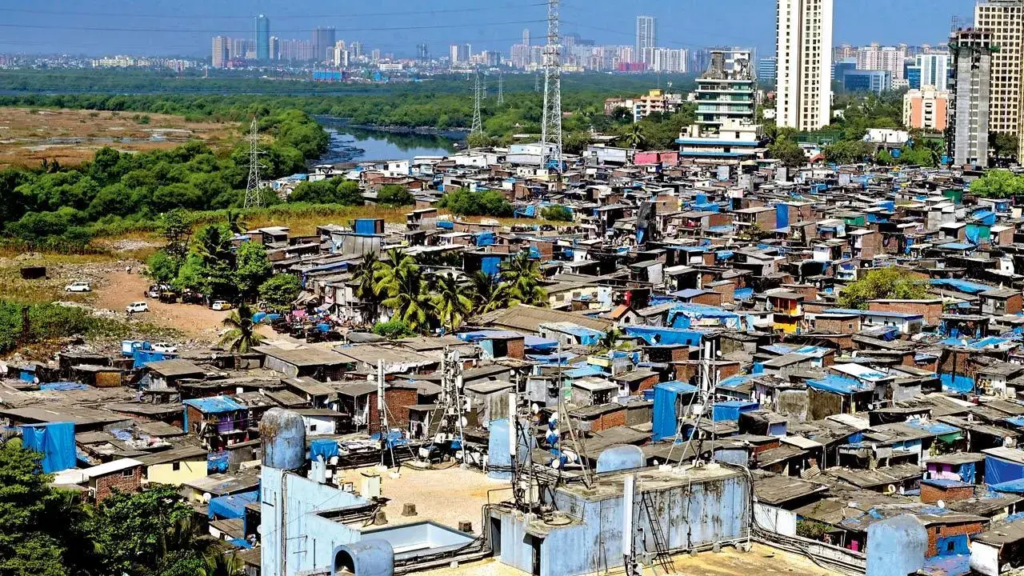
Mumbai has long struggled with overcrowded slums, inadequate housing, and insufficient basic services. According to estimates, nearly 40% of the city’s population resides in slums, often in makeshift housing with limited access to water, sanitation, and electricity.
The biometric survey addresses multiple challenges:
- Accurate Data for Planning: Previous estimates of slum populations were often based on projections, leading to mismatched resource allocation. Biometric verification ensures precise numbers, helping policymakers plan effectively.
- Targeted Welfare Schemes: With verified data, government schemes such as housing projects, ration distribution, and health initiatives can be directed to those who genuinely need them.
- Urban Infrastructure Development: Identifying slum locations and household counts allows urban planners to design roads, sanitation systems, and utilities more efficiently.
- Reducing Duplicates and Fraud: Biometric verification reduces duplication in records, ensuring that subsidies and welfare programs reach legitimate beneficiaries.
Conducting a biometric survey at this scale in a densely populated city like Mumbai was no small task. Field teams had to navigate narrow lanes, crowded areas, and unregistered settlements to reach every household.
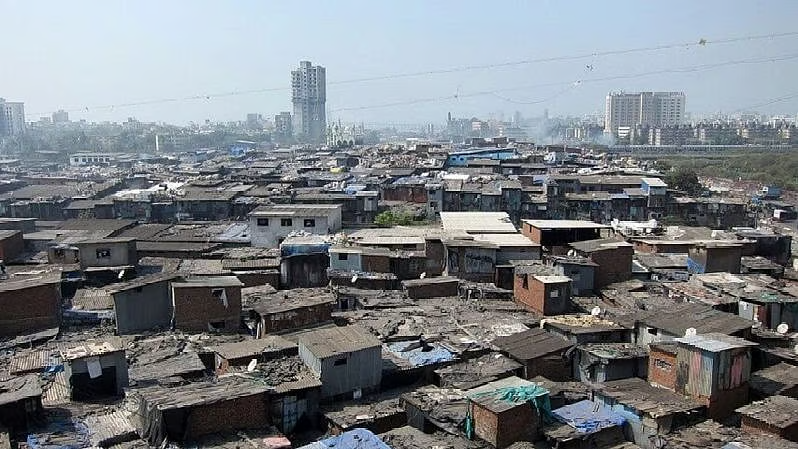
Despite these challenges, officials report that coverage exceeded 95% of slum homes, with residents cooperating due to awareness campaigns and local community involvement. Technology played a crucial role, with handheld devices enabling field workers to capture biometric data and upload it in real-time to central servers.
Experts have praised the survey as a model for other urban centers, emphasizing that such initiatives combine technology, governance, and citizen engagement to solve complex urban issues.
The survey also has significant political and administrative implications. Accurate identification of slum households will impact:
- Allocation of municipal budgets for housing, water supply, sanitation, and social welfare.
- Prioritization of redevelopment projects in high-density slum areas.
- Monitoring of government schemes to ensure transparency and efficiency.
City officials have stressed that the data will not be used for eviction or displacement without consent, reiterating that the focus is on welfare, urban planning, and service delivery rather than punitive action.
Many slum residents welcomed the survey, seeing it as an opportunity for recognition and access to government services. Community leaders emphasized that biometric verification ensures that every household is counted and no one is left behind, especially in non-notified slums that historically received minimal support.
However, some residents expressed concerns about privacy and data security, highlighting the need for transparent handling of sensitive information. Municipal authorities have assured that biometric data will be securely stored and used solely for official purposes, complying with national data protection regulations.
With the survey now complete, Mumbai authorities are focusing on leveraging the data for actionable outcomes. Planned initiatives include:
- Targeted Housing Schemes: Using verified slum data to allocate homes and redevelopment units to eligible families.
- Upgrading Basic Infrastructure: Mapping slum locations to improve roads, drainage, water supply, and electricity connections.
- Health and Sanitation Programs: Biometric data will help deliver healthcare services, vaccinations, and sanitation campaigns more efficiently.
- Social Welfare Distribution: Ration cards, pension schemes, and other welfare programs can now reach verified beneficiaries, reducing leakage and duplication.
Authorities also plan to integrate this survey data into citywide GIS systems, enabling real-time monitoring of urban development projects and emergency planning.
Urban planners and policy analysts have hailed Mumbai’s biometric survey as a game-changer in urban governance.
- Dr. Ramesh Kulkarni, an urban policy expert, said:
“This is one of the most comprehensive efforts in India to map slum populations accurately. It will not only improve welfare delivery but also serve as a blueprint for other metropolitan cities.” - Environmentalist and social activist Meera Desai added:
“Accurate data is the foundation of effective policy. With nearly 13 lakh slum homes now documented, Mumbai can finally plan for sustainable urban development that includes all citizens.”
Mumbai’s initiative demonstrates the power of combining technology, local engagement, and government policy to tackle urban challenges. Cities like Delhi, Kolkata, and Chennai, which face similar issues with informal settlements, could replicate this model for:
- Accurate population mapping
- Effective resource allocation
- Transparent and accountable urban governance
Read Also : BMC Polls Shock 2026 : Sena Candidate Haji Saalim Stabbed in Bandra; Political Rivalry Suspected

