

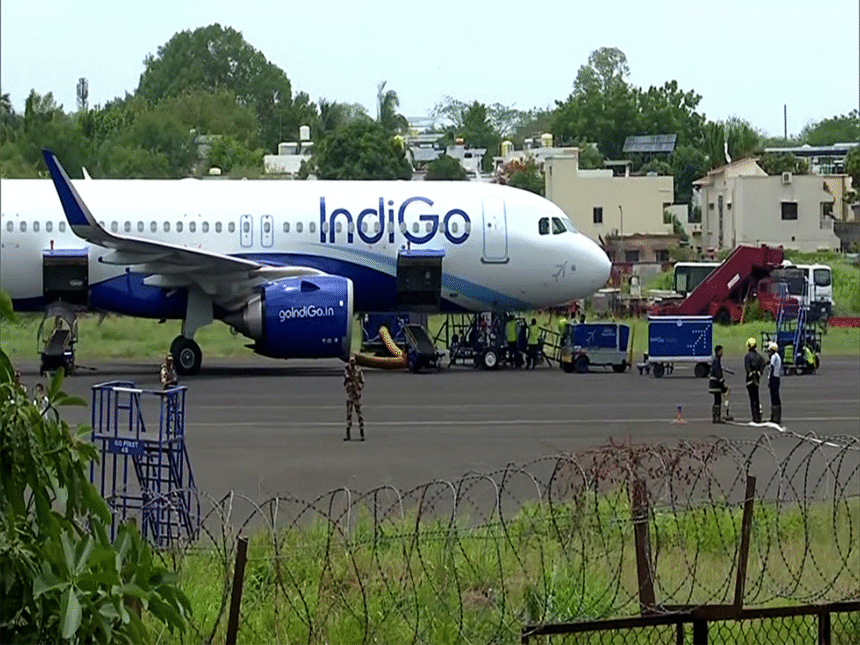
DGCA Imposes 5% Cut: IndiGo Slashes 115 Daily Flights in Major Shake-Up
DGCA imposes a 5% cut on IndiGo’s flight schedule, leading to the reduction of 115 daily flights nationwide
India’s aviation industry has entered yet another turbulent phase as the Directorate General of Civil Aviation (DGCA) has directed IndiGo to reduce its daily flight operations by 5%, resulting in a massive cut of 115 flights per day. This regulatory move has caught the attention of frequent flyers, aviation analysts, and airline competitors, raising questions about passenger inconvenience, operational challenges, and the broader impact on India’s rapidly expanding air travel ecosystem.
The decision, which comes amid concerns over pilot fatigue, operational safety, and workforce constraints, is now the center of national discussion. Given that IndiGo is India’s largest airline, operating over 1,500 flights daily, even a small percentage cut translates into a ripple effect across airports, travelers, and logistics networks. In this detailed report, we break down why this 5% cut was ordered, how it affects the public, and what it means for the future of Indian aviation.
The DGCA’s directive is rooted in multiple operational and safety concerns. Over the past few months, the regulator has closely monitored IndiGo’s pilot rosters, on-time performance, and staffing levels. Reports emerged indicating an increasing number of fatigue-related pilot complaints, leading the authority to revisit IndiGo’s duty schedules and crew management system.
Pilot fatigue can severely compromise safety. DGCA found that IndiGo’s crew duty hours were increasingly tight due to high traffic demand and aggressive scheduling. Fatigued pilots are more prone to errors, and even minor lapses in aviation can have serious consequences. By trimming 5% of flights, DGCA aims to give pilots more rest time, adjusting rosters to safer limits.
Like many global airlines, IndiGo has faced staffing shortages—particularly pilots and cabin crew. Increased leave requests, rising hiring challenges, and heavy operational demands created a mismatch between available manpower and scheduled flights.
Over the past decade, DGCA has sharpened its focus on operational audits. With IndiGo handling the highest passenger volume in the country, ensuring strict compliance is crucial. The schedule reduction is a preventive move to ensure safety remains uncompromised.
A reduction of 115 flights daily affects thousands of passengers, especially those traveling through metro cities and busy routes.
Cities like Delhi, Mumbai, Bengaluru, Hyderabad, Kolkata, and Chennai—which handle the highest IndiGo traffic—are expected to see the maximum number of cancellations. High-frequency routes like Mumbai–Delhi, Bengaluru–Delhi, Hyderabad–Bengaluru, and Kolkata–Guwahati will likely experience tighter availability.

With fewer seats available, ticket prices may surge on certain routes. Whenever supply drops and demand remains steady—or increases—fares typically rise. Experts predict a 10–20% fare hike on busy sectors.
Passengers booked on canceled flights will be offered alternative timings or refunds. However, rebooking during peak seasons or long weekends may be difficult due to capacity constraints.
Ironically, though flights have been reduced, congestion may still appear as passengers scramble to shift to other airlines or flights. Check-in counters may see longer queues during last-minute changes.
IndiGo issued a statement acknowledging DGCA’s directive and assured passengers that the airline is taking steps to minimize disruptions. Some of its major steps include:
IndiGo is revising its roster to ensure minimal passenger disruption. Redundant or low-demand routes may take the biggest hit, while essential routes will be retained.
The airline is reportedly accelerating its pilot training and recruitment processes. With India’s aviation market booming, IndiGo has already placed large aircraft orders that require an expanded workforce.
One of the DGCA’s chief concerns—fatigue—will be addressed by optimizing duty schedules. More rest time, fewer back-to-back long-haul flights, and better crew distribution are being implemented.
IndiGo has said customers affected by flight cuts will receive flexible options such as:
free rebooking,
free cancellation,
refunds, and
possible compensation depending on the sector.
India is one of the fastest-growing aviation markets in the world. Any regulatory intervention involving a major airline like IndiGo has nationwide consequences.
Airlines like Air India, Vistara, Akasa Air, and SpiceJet may see increased bookings as passengers shift from IndiGo. A temporary reduction in IndiGo’s capacity opens a window for competitors to capture a larger market share.
Airports earn revenue based on landing fees, parking fees, passenger footfall, and retail sales. With fewer IndiGo flights, certain airports may see marginal drops in revenue flow.
While short-term disruptions create inconvenience, the DGCA’s strict adherence to safety standards reinforces India’s aviation safety credentials. Aviation analysts believe that such interventions, though rare, protect long-term trust in flying.
If DGCA tightens monitoring of pilot schedules across all carriers, other airlines may also be forced to adjust their operations. This could impact the overall aviation capacity during busy travel seasons.

