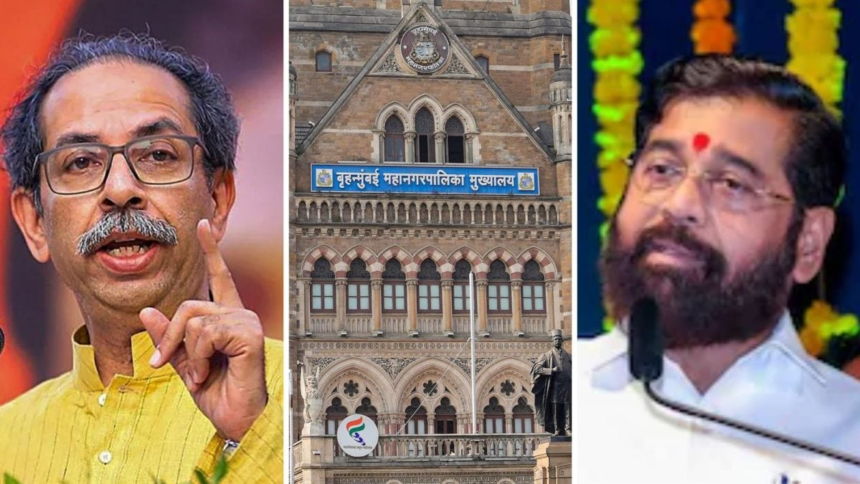
Mumbai Votes on January 15: Inside the Numbers—How Many of BMC’s 227 Corporators Back Uddhav and How Many Stand With Shinde
Mumbai heads for a crucial January 15 vote as the battle for control of BMC intensifies, with 227 corporators split between Uddhav Thackeray and Eknath Shinde camps
Mumbai is set for a high-stakes political showdown on January 15, as the country’s financial capital prepares for a crucial vote that could determine the future control of the Brihanmumbai Municipal Corporation (BMC). At the heart of the contest lies a simple but decisive question: of BMC’s 227 corporators, how many stand with Uddhav Thackeray and how many back Maharashtra Chief Minister Eknath Shinde?
The outcome of this vote is expected to have far-reaching political consequences, not just for Mumbai’s civic governance but also for the broader power struggle within Maharashtra’s fractured Shiv Sena.
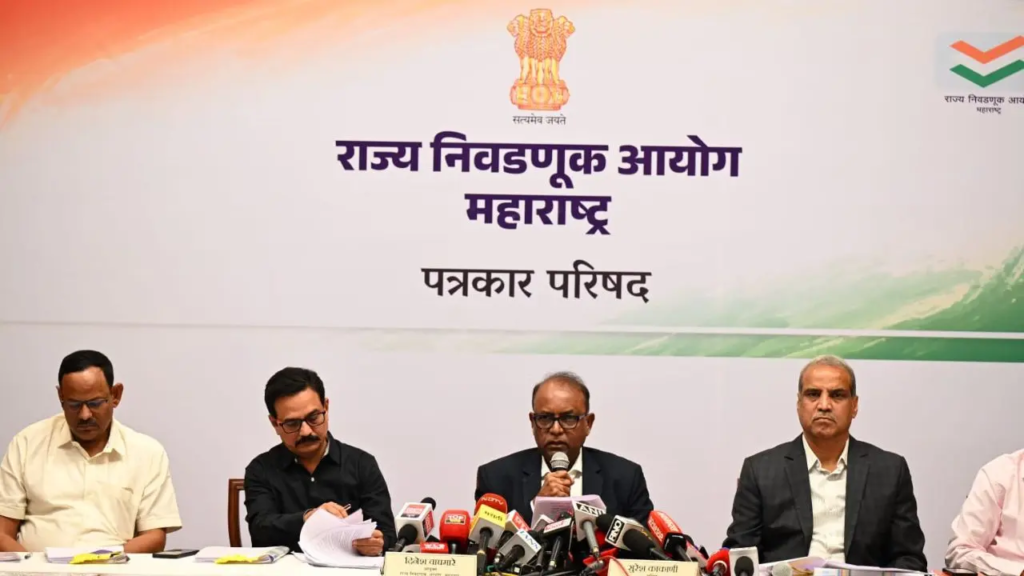
The BMC is India’s richest municipal body, with an annual budget running into tens of thousands of crores. Control over the civic body translates into immense administrative influence, political visibility, and grassroots power. For decades, the Shiv Sena dominated the BMC, making it the party’s most reliable power base.
However, the split in the Shiv Sena in 2022, which resulted in two rival factions—one led by Uddhav Thackeray and the other by Eknath Shinde—has turned the BMC into a political battleground.
The January 15 vote is not a routine civic exercise. It is being widely viewed as a referendum on loyalty, legitimacy, and numerical strength within Mumbai’s municipal politics.
The BMC has 227 elected corporators. To secure a clear majority, a camp needs the support of at least 114 corporators. Any side falling short would be forced to rely on alliances or face the prospect of losing control.
With corporators split across factions and parties, every number now matters.
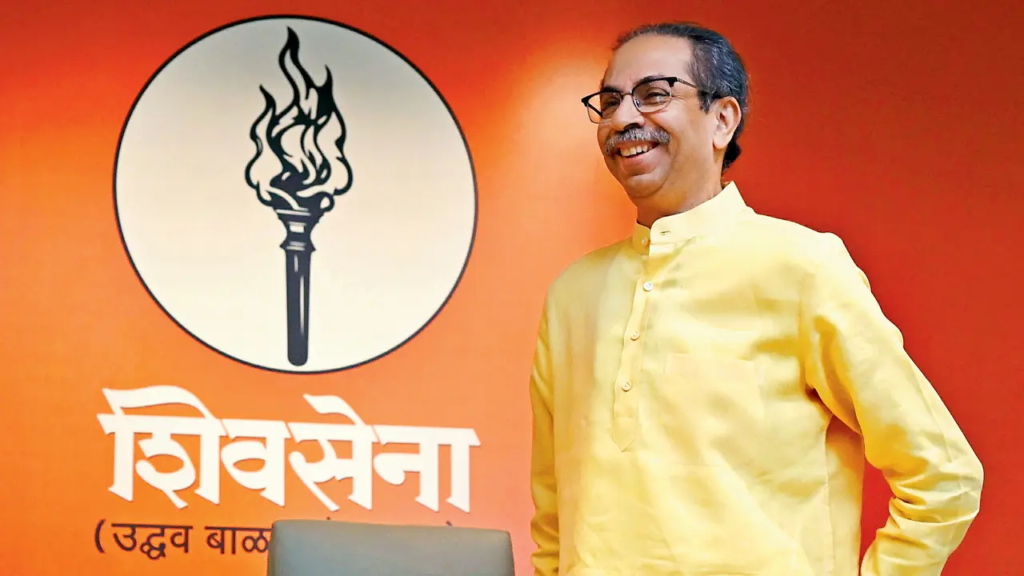
Uddhav Thackeray’s faction, often referred to as the Shiv Sena (Uddhav Balasaheb Thackeray), claims the loyalty of a significant section of corporators who were elected on the Shiv Sena symbol before the party split.
Sources close to the Thackeray camp argue that a substantial majority of original Shiv Sena corporators remain loyal to Uddhav, citing ideological commitment and long-standing organisational ties. The Thackeray faction has positioned itself as the “original Sena,” banking on emotional connect, legacy, and Mumbai’s traditional Sena voter base.

Politically, retaining influence over the BMC is critical for Uddhav Thackeray. Losing Mumbai would weaken his bargaining power ahead of upcoming state and national elections and could impact morale within his party.
Chief Minister Eknath Shinde, who leads the Shiv Sena faction recognised by the Election Commission, is equally determined to assert control over Mumbai’s civic body. Backed by the BJP at the state level, the Shinde camp argues that it represents the “real Sena” in both legal and administrative terms.
The Shinde faction has reportedly been working aggressively to consolidate support among corporators by highlighting its position in the state government. Access to power, governance leverage, and alignment with the ruling coalition are seen as key incentives.
Political observers say Shinde’s camp is relying on a mix of political persuasion, administrative influence, and alliance arithmetic to tilt the numbers in its favour.
While the focus remains on the two Shiv Sena factions, the Bharatiya Janata Party (BJP) plays a crucial behind-the-scenes role. The BJP has a strong presence in the BMC and is widely seen as a potential kingmaker if neither Sena faction reaches the majority mark on its own.
Other parties, including the Congress and the Nationalist Congress Party (NCP), though numerically smaller in the BMC, could also influence outcomes in the event of a fractured verdict.
This makes January 15 not just a Sena-versus-Sena contest, but a multi-layered political chessboard where alliances and tactical voting could decide the final outcome.
For individual corporators, the vote is more than a political statement—it is a career-defining decision. Corporators are weighing multiple factors:
Political future: Which camp offers better prospects in upcoming elections
Administrative access: Proximity to the state government and civic decision-making
Legal clarity: Recognition by constitutional authorities
Public perception: Loyalty versus opportunism
Given Mumbai’s intense media scrutiny, corporators are also aware that their choices will be closely watched by voters.
The January 15 vote takes place amid ongoing legal battles related to the Shiv Sena split. While the Election Commission has recognised the Shinde faction as the official Shiv Sena, several matters continue to be contested in courts.
Legal experts note that while judicial proceedings shape the broader political narrative, numbers on the floor ultimately determine control in civic bodies like the BMC.
Mumbai is more than a city—it is a political symbol. Control of the BMC allows parties to influence urban infrastructure, contracts, development projects, and local leadership pipelines.
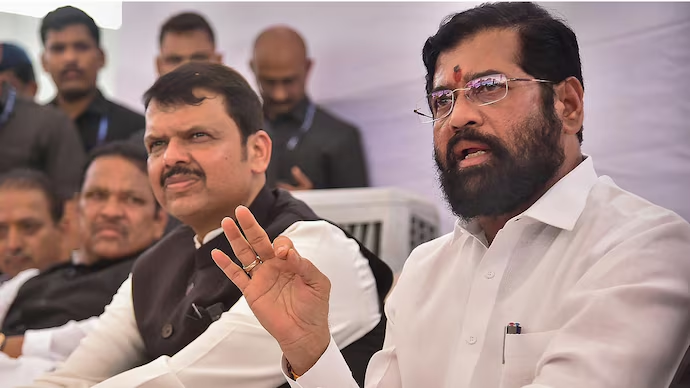
For Uddhav Thackeray, holding Mumbai is about preserving legacy and relevance. For Eknath Shinde, winning the BMC would signal complete political consolidation after the Sena split.
A victory for either camp would send a powerful message across Maharashtra.
Several outcomes are possible on January 15:
Clear majority for one faction, leading to swift consolidation
Hung civic house, triggering negotiations and alliances
Legal challenges, if the result is contested
Each scenario carries political risk and opportunity.
The outcome of the BMC vote will influence strategies ahead of the 2024–2025 election cycle. A strong showing in Mumbai could boost confidence, fundraising, and cadre mobilisation for the winning camp.
National parties are also closely watching the developments, as Mumbai often sets the tone for urban political trends.
Read Also : Delhi Pollution Emergency: Schools Shift to Online Classes for 5 Grades as Air Quality Worsens