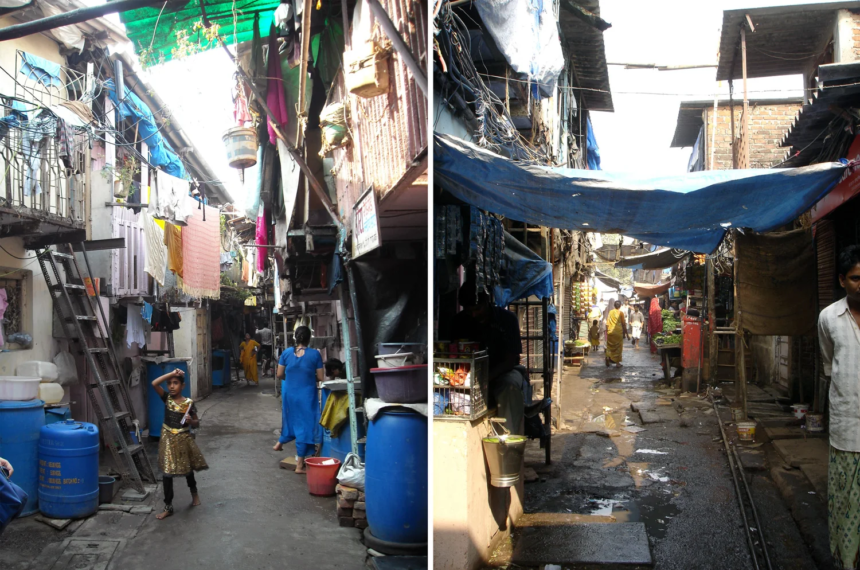
Over 97,000 Project-Affected Families Rehoused in Mumbai Since 1995, 5,000 More Homes Planned by 2026
Over 97,000 project-affected families have been successfully rehoused in Mumbai since 1995, with 5,000 more homes planned by 2026
Mumbai, India’s financial capital, has long been a hub of rapid urbanization, industrial growth, and real estate expansion. However, this growth has often come at a significant human cost, particularly for project-affected families whose homes have been displaced due to infrastructure projects, slum redevelopment schemes, and urban renewal initiatives. Since 1995, the Mumbai Metropolitan Region Development Authority (MMRDA), along with various state government agencies and civic bodies, has successfully rehoused over 97,000 such families, marking a significant achievement in urban housing policy. With 5,000 more homes planned by 2026, the city continues its mission to balance development with social welfare, providing safe, modern living spaces to thousands of displaced citizens.

Mumbai’s transformation into a global financial hub has necessitated large-scale infrastructure projects, including road widening, metro rail expansion, slum redevelopment, and commercial zone development. While these projects are critical for the city’s growth, they often involve land acquisition, displacement of communities, and the demolition of existing settlements.
Historically, many of Mumbai’s low-income communities lived in informal housing along railway tracks, coastal belts, and congested inner-city neighborhoods. Projects aimed at improving urban infrastructure inevitably affected these families. Recognizing the social responsibility to protect displaced citizens, successive Mumbai administrations have implemented rehousing schemes to ensure that project-affected families are not left without shelter.
Since 1995, over 97,000 families affected by urban development projects in Mumbai have been successfully relocated to safer, well-planned housing complexes. These families include those displaced due to:
- Slum Rehabilitation Authority (SRA) Projects: Initiatives to redevelop slums into modern residential complexes while providing free or subsidized housing to eligible residents.
- Metro and Road Expansion Projects: Families displaced due to the widening of arterial roads, flyover construction, and metro rail lines.
- Coastal Road and Port Development: Communities affected by the Coastal Road Project and expansion of port facilities in Mumbai Harbor.
- Industrial Relocation: Residents living near old industrial zones who were relocated to free up land for commercial redevelopment.
These rehousing initiatives have not only provided families with safe and modern homes but also integrated essential amenities like water supply, electricity, schools, healthcare facilities, and community spaces.
The Mumbai rehousing program emphasizes not just shelter but holistic development. Some key features include:
- Modern Housing Units: Multi-story apartments with proper ventilation, natural light, and durable construction.
- Basic Infrastructure: 24/7 water supply, electricity connections, sewage systems, and waste management.
- Community Amenities: Schools, daycare centers, parks, and recreational areas to foster a sense of community.
- Transport Connectivity: Proximity to major roads, bus routes, and metro stations to ensure easy commute for work and education.
- Financial Assistance: Subsidies, low-interest housing loans, and rent-to-own options for economically weaker sections (EWS).
For project-affected families, the rehousing schemes have been transformative. Living in modern, secure housing reduces exposure to health hazards associated with informal settlements, including floods, poor sanitation, and fire risks.

Many families report significant improvements in quality of life:
- Education: Children now have access to nearby schools and safe commuting options, reducing dropouts and improving literacy.
- Employment Opportunities: Relocation closer to transport hubs facilitates access to jobs, enhancing household income.
- Health Benefits: Access to clean water, proper sanitation, and healthcare facilities has reduced waterborne diseases and improved overall family health.
- Community Integration: Organized housing complexes foster stronger social bonds, with shared community spaces encouraging recreational and cultural activities.
The rehousing of project-affected families in Mumbai is guided by several policy frameworks:
- Slum Rehabilitation Authority (SRA) Act: Provides a legal mechanism for slum redevelopment, ensuring rehabilitation and resettlement of affected families.
- Right to Fair Compensation and Transparency in Land Acquisition Act, 2013: Ensures fair compensation and housing alternatives for those displaced by public projects.
- Affordable Housing Schemes: The Maharashtra government, in collaboration with central housing schemes, promotes affordable housing for economically weaker sections (EWS) and low-income groups (LIG).
- Public-Private Partnerships (PPP): Many rehousing projects are implemented in collaboration with private developers, leveraging investment while ensuring compliance with social welfare norms.
The combination of legal safeguards, financial incentives, and public-private collaboration has contributed significantly to the scale and success of the rehousing programs.
Despite the success of rehousing over 97,000 families, the process has faced several challenges:
- Land Scarcity: Mumbai’s dense urban environment makes identifying suitable land for relocation a constant challenge.
- Delays in Construction: Bureaucratic hurdles and contractor delays often slow down project completion, leaving families in temporary shelters for extended periods.
- Community Resistance: Some families resist relocation due to proximity to workplaces, social networks, or sentimental attachment to their previous neighborhoods.
- Quality Concerns: Ensuring that new housing meets safety and durability standards is critical, as substandard construction can lead to long-term issues.
Authorities continue to address these challenges through policy adjustments, stakeholder engagement, and stricter quality monitoring.
The Mumbai government has ambitious plans to continue rehousing project-affected families. By 2026, an additional 5,000 homes are slated for completion under various redevelopment and infrastructure projects. These initiatives will focus on:
- Inclusive Urban Planning: Integrating relocated families into vibrant, well-connected neighborhoods.
- Sustainable Housing: Emphasizing energy efficiency, rainwater harvesting, and green construction practices.
- Enhanced Amenities: Expanding community facilities, healthcare access, and educational infrastructure.
- Stakeholder Engagement: Engaging residents in the planning process to ensure smooth transitions and minimize disruption.
These steps reflect a commitment to not only address displacement but also promote inclusive and sustainable urban development.
One of Mumbai’s most notable examples of successful rehousing is the redevelopment of Dharavi, Asia’s largest slum. Families displaced by redevelopment projects have been relocated to modern housing complexes within the city.

- Before: Congested tenements, lack of sanitation, and high vulnerability to floods and fires.
- After: Multi-story apartments with proper infrastructure, sanitation, and access to schools and hospitals.
- Impact: Improved health outcomes, better education opportunities, and enhanced economic prospects for residents.
This project serves as a model for future initiatives targeting project-affected families in other parts of Mumbai.
Rehousing project-affected families has far-reaching implications for Mumbai’s social and economic fabric:
- Economic Growth: Relocated families can access better employment opportunities, contributing to household income and urban productivity.
- Urban Renewal: Clearing informal settlements allows for infrastructure upgrades, commercial development, and improved urban aesthetics.
- Social Equity: Ensuring displaced families receive proper housing promotes social justice and reduces economic inequality.
- Disaster Resilience: Modern housing is better equipped to withstand floods, fires, and other natural disasters, reducing vulnerability for low-income populations.
Read Also : Determined to Seize Greenland, Trump Faces 7 Major Setbacks and Frosty Reception at Davos 2026