India–US Economic Deal: Why Trump Allies See Big Gains Even Without the Fine Print
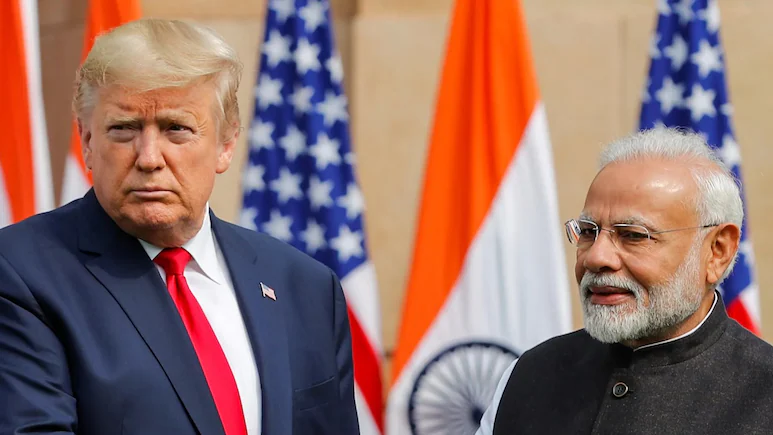
The proposed India–United States economic deal, welcomed enthusiastically by members of former US President Donald Trump’s political team, has sparked renewed debate over the future of one of the world’s most consequential bilateral relationships. Despite the absence of detailed provisions, Trump-aligned figures argue that the agreement’s strategic direction alone is enough to unlock significant economic gains for both countries.
Their confidence raises key questions: Why is the deal seen as beneficial even without finalized details? What are the risks of moving forward without clarity? And how could the agreement reshape trade, geopolitics, and global supply chains?
The Political Backdrop
Trade and economic policy have long been central to Donald Trump’s political identity. During his presidency, Trump emphasized bilateral deals over multilateral frameworks, arguing that one-on-one negotiations allowed the United States to secure better terms.
India occupied a unique position in that strategy. While trade frictions existed — including disputes over tariffs and market access — Trump repeatedly described India as a “strategic partner” and highlighted the potential of its vast market.
The renewed enthusiasm from Trump’s allies reflects a belief that a second Trump-era approach to India would prioritize deal-making over prolonged negotiations, even if details are finalized later.
Why India Matters to the US Economy
India’s economic significance has grown rapidly over the past decade. With a population exceeding 1.4 billion and a fast-expanding middle class, India represents one of the world’s largest consumer markets.
For US businesses, India offers:
- A major destination for exports
- Opportunities in technology, defense, and energy
- A manufacturing alternative to China
Trump allies argue that deepening economic ties with India could help the US diversify supply chains and reduce strategic dependence on rival economies.
India’s Perspective: Strategic Balance
From India’s standpoint, engagement with the US across political administrations reflects a broader strategy of hedging and balance. New Delhi has sought to maintain strong ties with Washington regardless of which party is in power.
An economic agreement with the US aligns with India’s goals of boosting manufacturing, attracting foreign investment, and integrating more deeply into global supply chains.
However, Indian policymakers have historically been cautious about trade deals that could expose domestic industries to sudden competition, making the fine print particularly important.
The “Framework First” Approach
One of the most controversial aspects of the Trump camp’s optimism is its apparent comfort with a deal that lacks detailed provisions.
Supporters argue that:
- Political alignment creates momentum
- Businesses respond to signals as much as specifics
- Details can be negotiated during implementation
This approach mirrors aspects of Trump-era trade diplomacy, where broad agreements were often announced before technical details were finalized.
Risks of Missing Fine Print
Critics warn that moving forward without clear terms carries significant risks. Trade agreements involve complex issues such as tariffs, regulatory standards, intellectual property rights, and dispute resolution.
Without clarity, businesses may hesitate to invest, fearing unexpected costs or regulatory hurdles. Ambiguity can also lead to disputes later, undermining trust between partners.
Trade experts stress that while political enthusiasm is valuable, durable agreements require precise commitments.
Geopolitical Implications
Beyond economics, the India–US deal has strategic implications. Both countries share concerns about regional security and the shifting balance of power in Asia.
Stronger economic ties could complement defense cooperation, intelligence sharing, and diplomatic alignment in the Indo-Pacific region.
Trump allies frame the deal as part of a broader strategy to strengthen partnerships with democracies seen as counterweights to China’s influence.
Domestic Political Calculations
In the US, economic deals with large partners like India are often framed around job creation and competitiveness. Trump-aligned figures emphasize potential benefits for American workers and industries.
In India, political leaders must balance the promise of foreign investment with domestic concerns about protecting small businesses and farmers.
Both governments face internal pressures that could shape how the deal ultimately takes form.
Business and Market Reaction
Market analysts note that investor response to such agreements often depends on credibility and follow-through. Announcements without details can generate short-term optimism but may fade if progress stalls.
Some multinational companies view the deal as a positive signal, while others remain cautious until concrete terms are revealed.
What Comes Next
Negotiators are expected to continue working on the technical aspects of the agreement. The pace and transparency of these discussions will likely determine whether optimism translates into real economic outcomes.
Observers say the next phase will test whether political alignment can overcome long-standing trade disagreements.
Conclusion
The Trump camp’s upbeat assessment of the India–US economic deal underscores a belief in the power of political alignment and strategic intent. While the absence of fine print raises legitimate concerns, supporters argue that the broader partnership’s potential outweighs the risks.
Ultimately, the success of the deal will depend not on optimism alone, but on whether negotiators can convert ambition into clear, enforceable terms that deliver lasting benefits for both economies.
Also Read : Immigration Enforcement Tightens as States and Communities Grapple With Human and Economic Fallout