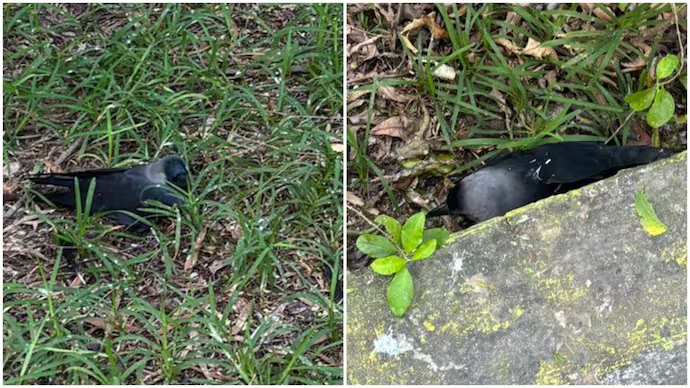
H5N1 Outbreak in Chennai: 100+ Crows Found Dead, Government Issues Urgent Advisory
H5N1 bird flu outbreak reported in Chennai after hundreds of crows were found dead. Government issues health advisory and safety guidelines
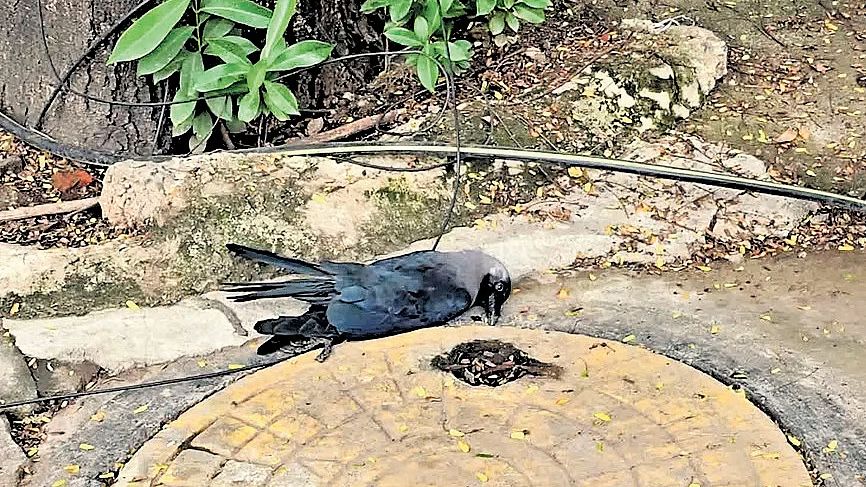
An outbreak of the H5N1 virus has been confirmed in Chennai after several hundred crows were found dead across the city recently, signalling the spread of avian influenza in the region. An advisory has been issued to the public as health authorities move swiftly to contain the outbreak.
Authorities have directed that all carcasses of crows and poultry be either incinerated or deeply buried in accordance with biosecurity protocols to curb further transmission.
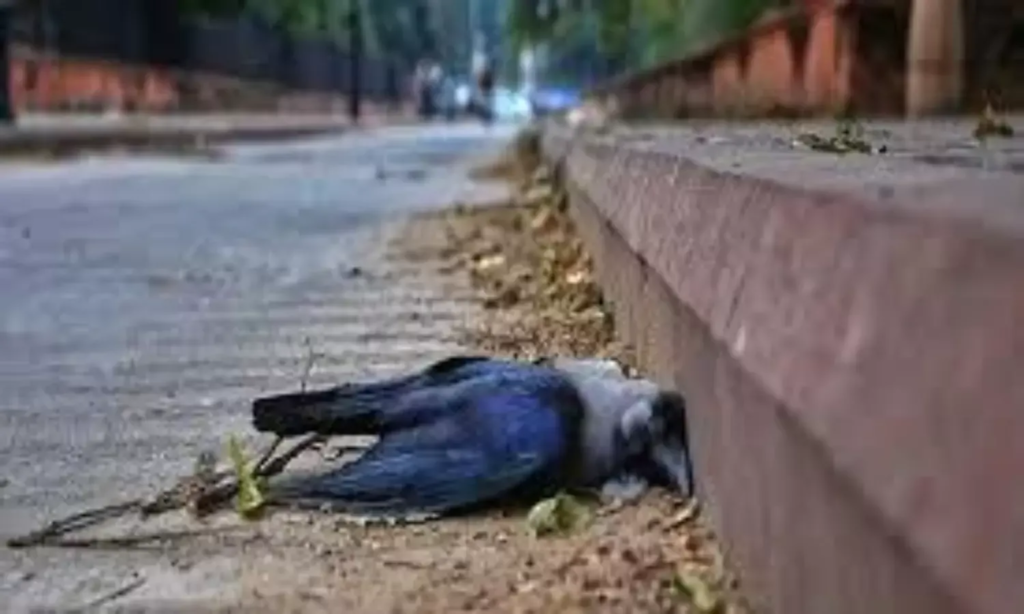
The public has been strictly advised against touching or handling dead birds and urged to promptly alert local authorities about any fresh sightings.
In the wake of confirmation of bird flue in samples collected from the city’s Adyar, the Union Ministry of Animal Husbandry has written to the Tamil Nadu Chief Secretary, calling for immediate and comprehensive field surveillance to contain the outbreak.
“The positive case for Highly Pathogenic Avian Influenza (HPAI), raises significant concerns about the rapid spread of the virus. The situation demands urgent attention to mitigate risks to both animal and human health. It is requested that the One-Health approach be implemented, integrating the efforts across various sectors, including human health and wildlife, to address the issue in a comprehensive manner,” the Union Ministry of Animal Husbandry and Dairying wrote to the Tamil Nadu government.
H5N1 is a highly pathogenic strain of the influenza A virus that primarily infects birds, particularly poultry and wild birds. It is commonly known as ‘bird flu’ and can spread rapidly among bird populations, often causing severe illness and high mortality rates.
Although H5N1 mainly affects birds, it can occasionally infect humans — though rare — and other animals through close contact with infected birds or contaminated environments. Human infections are rare but can be serious, which is why outbreaks are closely monitored and strict biosecurity measures are enforced to prevent its spread.
H5N1 is considered highly dangerous, but mainly in specific situations rather than for the public. In birds, it can spread rapidly and cause large outbreaks with very high mortality in poultry.
In humans, infections are rare, but when they do occur, they can be severe. Many confirmed human cases have involved serious respiratory illness such as pneumonia, and the case fatality rate reported in past outbreaks has been significantly higher than that of seasonal flu.
Authorities have outlined a series of precautionary measures to curb the spread of bird flu. These include:
Conducting extensive public awareness campaigns and intensifying field surveillance to track deaths among crows, wild birds and poultry.
Avoiding field post-mortems and sending carcasses to designated Regional Disease Diagnostic Laboratories. Dead birds must be burnt or deeply buried to prevent further spread.
Ensuring that forest officials promptly report bird deaths. States should share the contact details of designated officers for immediate reporting of suspected cases.
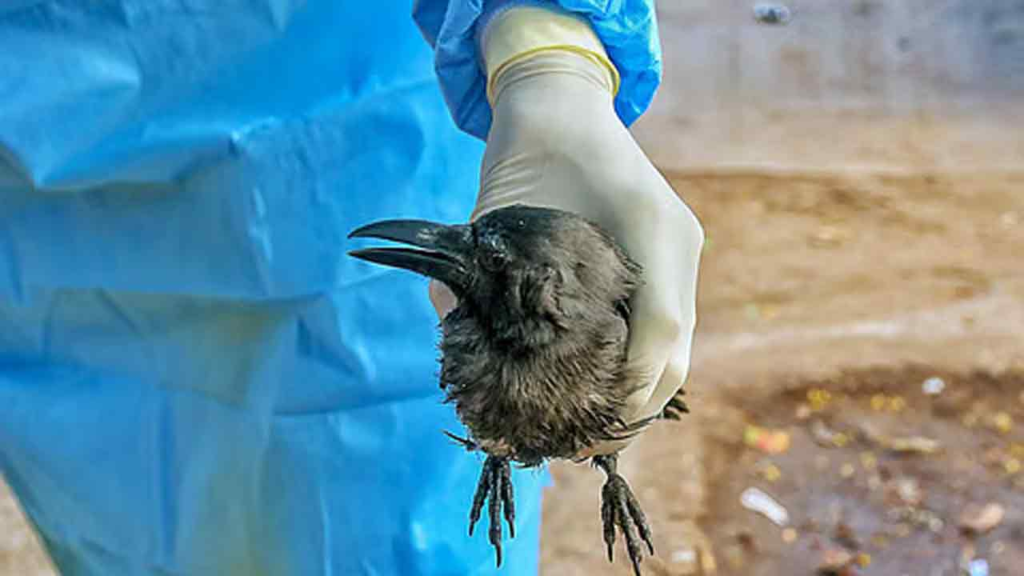
Advising the public not to touch dead birds. If unavoidable, gloves must be used and hands washed thoroughly. Proper disposal of kitchen and slaughter waste should be ensured to avoid attracting wild birds.
Restricting entry of outsiders to farms, preventing access by wild birds, limiting worker movement between farms, using footbaths, regularly disinfecting equipment, and maintaining strict hand hygiene.
Chennai has been placed on high health alert following a suspected H5N1 bird flu outbreak, after hundreds of crows were found dead across multiple areas of the city. The alarming incident has raised serious concerns among residents, environmental authorities, and health officials, prompting the Tamil Nadu government to issue an urgent public advisory to prevent panic and reduce potential health risks.
Officials from the Animal Husbandry Department, Forest Department, and Public Health authorities have launched a joint investigation to determine the cause of the mass bird deaths. Preliminary findings suggest a possible avian influenza (H5N1) infection, though laboratory confirmation is ongoing.
Over the past few days, residents reported a sudden rise in dead crow sightings in several Chennai neighborhoods, including public parks, residential zones, and roadside areas. Wildlife officials collected bird carcasses and sent samples for laboratory testing to confirm the presence of H5N1 or other viral infections.
Experts suspect the deaths may be linked to:
- Avian influenza virus (H5N1)
- Contaminated food or water sources
- Environmental stress or toxic exposure
Given the pattern of deaths and symptoms observed in the birds, authorities are treating the situation as a potential bird flu outbreak until confirmed otherwise.
In response to the situation, the Tamil Nadu government has activated disease surveillance and containment protocols, including:
- Issuing a public health advisory
- Monitoring bird populations in affected zones
- Restricting public contact with dead or sick birds
- Sanitizing contaminated areas
- Conducting rapid disease screening
- Coordinating with veterinary and public health teams
Authorities have also directed municipal workers to safely collect and dispose of dead birds using protective equipment to prevent possible virus spread.
H5N1, commonly known as avian influenza or bird flu, is a highly contagious viral disease affecting birds. While it primarily infects birds, rare cases of human transmission have been reported, especially among individuals who have close contact with infected poultry or contaminated environments.
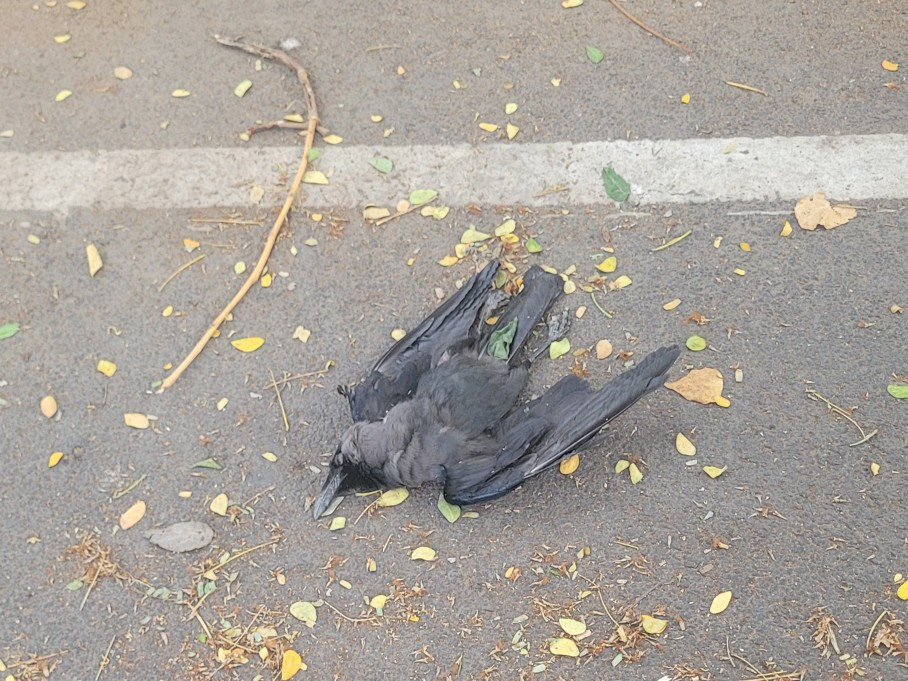
Common Symptoms in Birds:
- Sudden death
- Respiratory distress
- Swelling of head and neck
- Reduced activity
Possible Symptoms in Humans (Rare Cases):
- Fever
- Cough
- Shortness of breath
- Fatigue
- Eye irritation
Health officials emphasize that human infection is rare, but caution is necessary.
To ensure public safety, authorities have issued the following precautionary measures:
✅ Do’s:
- Report dead or sick birds to local authorities
- Wash hands frequently with soap and water
- Maintain hygiene around poultry and pets
- Cook poultry and eggs thoroughly before consumption
- Do NOT touch dead birds with bare hands
- Avoid contact with sick animals
- Do NOT consume undercooked poultry or eggs
- Do NOT spread rumors or misinformation
Residents are urged to remain calm and follow official updates from health departments.
The outbreak scare has raised concerns within the poultry farming and meat industry, as bird flu outbreaks often lead to:
- Temporary bans on poultry trade
- Reduced poultry consumption
- Economic losses for farmers
- Increased veterinary surveillance
Officials have assured the public that commercial poultry farms are being closely monitored, and there is no confirmed infection in domestic poultry as of now.
Wildlife experts say mass crow deaths could indicate a broader environmental or ecological issue, including:
- Viral infection spreading among wild birds
- Pollution-related toxicity
- Climate-related stress factors
Environmental agencies are monitoring the situation to prevent further wildlife loss and protect biodiversity.
The incident has sparked widespread public concern, with many Chennai residents expressing fear about:
- Health risks
- Food safety
- Environmental safety
Social media platforms have been flooded with images and reports of dead birds, prompting authorities to warn against panic and misinformation.
Health officials have reassured citizens that there is no immediate threat to human health, but urged them to stay cautious.
Authorities are expected to:
- Release final lab test results
- Update public health advisories if needed
- Expand surveillance to nearby districts
- Strengthen bird flu prevention measures
- Launch awareness campaigns across Tamil Nadu
If H5N1 is confirmed, the government may implement containment measures, including movement restrictions on poultry and increased biosecurity protocols.
This potential H5N1 outbreak in Chennai highlights the importance of:
- Early disease detection
- Wildlife health monitoring
- Public awareness and cooperation
- Strong government response systems
While there is no confirmed human risk at present, authorities stress that vigilance and preventive action are key to avoiding escalation.
Read Also : AAP Leader Lucky Oberoi Shot Dead Outside Gurdwara in Jalandhar – Shock Crime Rocks Punjab