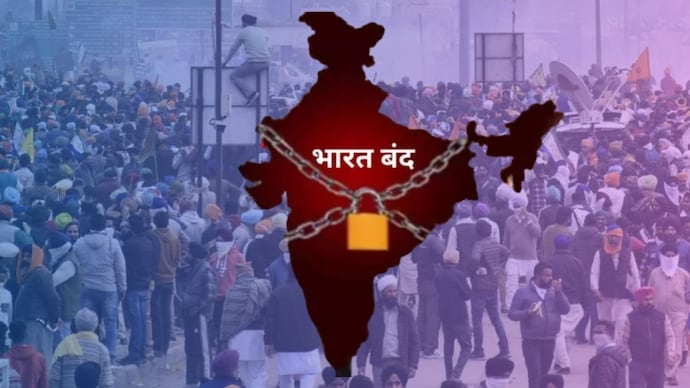
Bharat Bandh on February 12: What’s Open, What’s Closed — 15 Key Updates Across India
Bharat Bandh on February 12: Check what’s open, what’s closed across India, including banks, schools, transport, and essential services
India is set to witness a nationwide Bharat Bandh on February 12, with multiple trade unions, farmers’ groups, and social organizations calling for a countrywide shutdown to protest various economic, labor, and policy-related issues. The bandh is expected to impact daily life across several states, affecting transportation, banking, offices, markets, and public services.
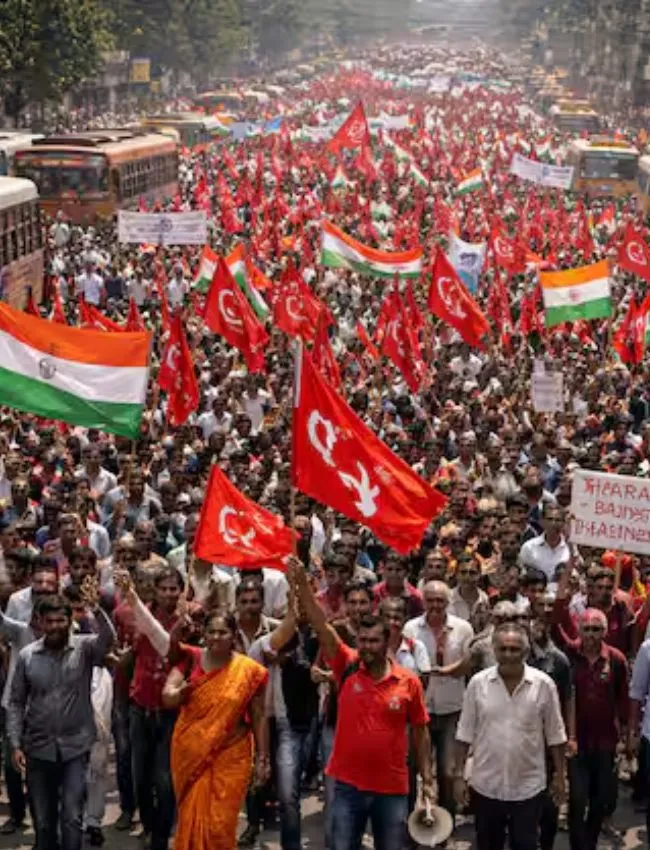
As citizens prepare for the strike, many are searching for clear information on what will remain open and what will be closed. This comprehensive guide explains the expected impact of the February 12 Bharat Bandh, including school closures, bank operations, transport disruptions, government services, and essential facilities.
The Bharat Bandh has reportedly been organized by a coalition of trade unions, workers’ organizations, and farmer groups protesting against several issues such as:
- Rising inflation and cost of living
- Labor law reforms and worker rights
- Privatization of public sector enterprises
- Unemployment and job security concerns
- Agricultural policies affecting farmers
- Fuel price hikes and economic inequality
Organizers claim the bandh is aimed at pressuring the government to address public grievances, while authorities have urged citizens to remain calm and avoid disruptions to essential services.
A nationwide bandh typically impacts multiple sectors, although the level of disruption varies from state to state depending on local support and enforcement.
Citizens should expect partial to moderate disruption in areas such as:
- Public transport
- Markets and shops
- Banks and financial services
- Government offices
- Educational institutions
However, essential services are expected to continue operating.
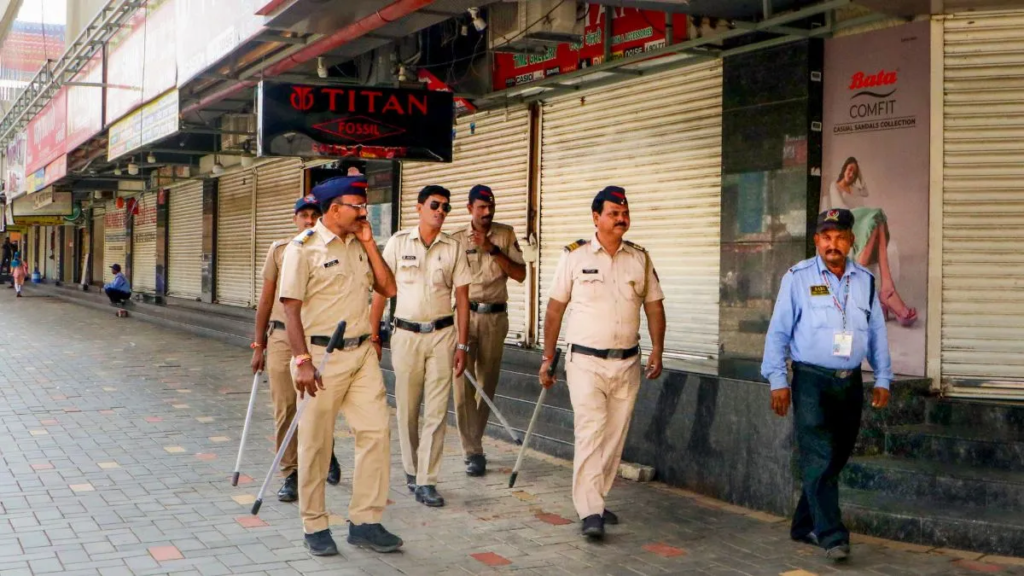
1. Banks and Financial Institutions
- Many public and private banks may remain closed or operate with limited staff
- Banking transactions at physical branches could be affected
- ATMs and online banking are expected to function normally
2. Schools, Colleges, and Educational Institutions
- Some schools and colleges may shut down or suspend classes
- Private institutions may decide operations based on local safety advisories
- Online classes could continue in some cases
3. Government Offices
- Certain government offices may remain closed or operate with minimal staff
- Public services could experience delays in processing
4. Public Transport
- Buses, taxis, and auto-rickshaws may be limited in some regions
- Metro and train services could face delays or reduced frequency
- Airport operations are expected to continue, but travelers should expect traffic disruptions
5. Markets, Shops, and Commercial Establishments
- Local markets and retail shops may remain shut in bandh-affected areas
- Shopping malls and business centers could see partial closures
6. Factories and Industrial Units
- Several manufacturing plants and industrial units may halt operations temporarily
- Worker unions may stage protests at industrial sites
Despite the strike, essential services are expected to continue functioning to ensure public safety and welfare.
1. Hospitals and Healthcare Services
- Government and private hospitals will remain open
- Emergency medical services will operate normally
- Pharmacies and medical stores are expected to function
2. Emergency and Security Services
- Police stations and emergency helplines will remain active
- Fire departments and disaster response teams will stay operational
3. Essential Utility Services
- Electricity, water supply, and gas services will continue
- Mobile networks and internet providers will remain active
4. Online Services and Digital Payments
- Online banking, UPI, and digital wallets will remain fully functional
- E-commerce and food delivery services may operate depending on logistics
5. Media and News Services
- Television, newspapers, and digital news platforms will remain active
- Citizens can rely on media for real-time updates
The impact of the February 12 Bharat Bandh may vary across different parts of India.
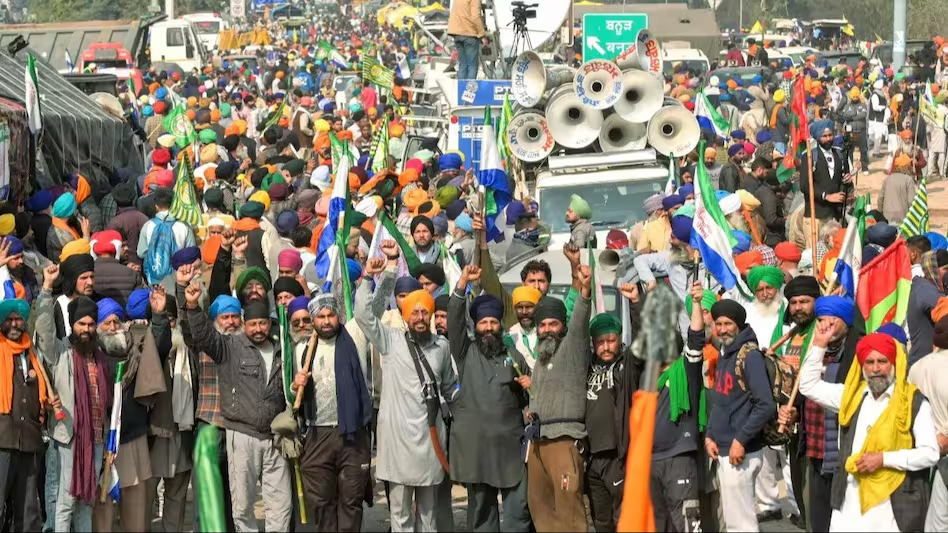
High Impact Likely In:
- West Bengal
- Kerala
- Punjab
- Haryana
- Bihar
- Jharkhand
- Maharashtra
- Tamil Nadu
Moderate Impact Expected In:
- Delhi NCR
- Karnataka
- Telangana
- Andhra Pradesh
- Rajasthan
- Madhya Pradesh
Low Impact Expected In:
- Some northeastern states
- Regions with limited participation in bandh activities
Local administrations may impose security measures to maintain law and order.
Travelers are advised to plan ahead and expect potential disruptions.
Railways
- Train services may run but could face delays or cancellations
- Travelers should check live train status before departure
Flights
- Airports will remain operational
- Passengers should arrive early due to possible road blockades
Road Travel
- Some highways and city roads may witness protests or slow traffic
- Ride-hailing services may have limited availability
A nationwide bandh often results in temporary economic losses, especially in sectors such as:
- Retail and small businesses
- Manufacturing and logistics
- Tourism and hospitality
Economic experts estimate that a single day’s bandh can cost crores in lost productivity, though supporters argue that peaceful protests are essential in a democratic society.
The bandh has drawn mixed reactions from citizens and business groups.
Supporters Say:
- The bandh is necessary to highlight workers’ and farmers’ concerns
- It provides a democratic platform for public protest
Critics Say:
- Bandhs disrupt daily life and harm the economy
- Common people suffer due to transport and work disruptions
- Dialogue should replace shutdowns
Authorities across states have made arrangements to ensure law and order.
Security Measures Include:
- Deployment of police in sensitive areas
- Patrolling around markets, schools, and transport hubs
- Monitoring of protest activities
- Emergency response teams on standby
Governments have urged protestors to maintain peace and avoid violence.
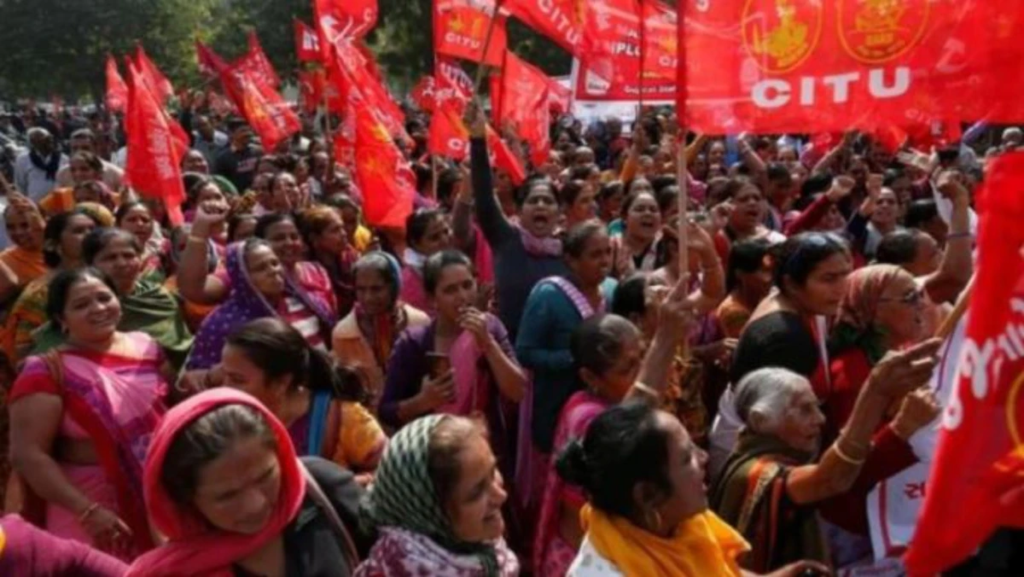
Courts in India have previously ruled that forced shutdowns and violence during bandhs are illegal. Organizers have been instructed to ensure that participation remains voluntary and that essential services are not disrupted.
Citizens are advised to avoid confrontation and follow local advisories.
Bandhs have long been part of India’s political and social activism, used by political parties, unions, and citizen groups to express dissent.
While some view bandhs as a powerful democratic tool, others argue they cause public inconvenience and economic disruption. The February 12 Bharat Bandh once again highlights this ongoing national debate.
After the bandh, organizers may:
- Submit demands to the government
- Announce follow-up protests or negotiations
Authorities will review:
- Public impact
- Law and order reports
- Economic consequences
The bandh’s long-term impact will depend on government response and public sentiment.
Read Also : 10 Schools in Chandigarh & Mohali Receive Bomb Threats, Students Sent Back in Emergency