
Punjab Cash Wedding Viral: 7 Shocking Facts Behind Rs 8.5 Crore Claim vs Rs 4 Lakh Reality
Punjab’s viral cash wedding sparks debate after a clip claimed the bride was showered with Rs 8.5 crore, but the family clarifies it was only Rs 4 lakh. Here’s the full truth behind the viral video
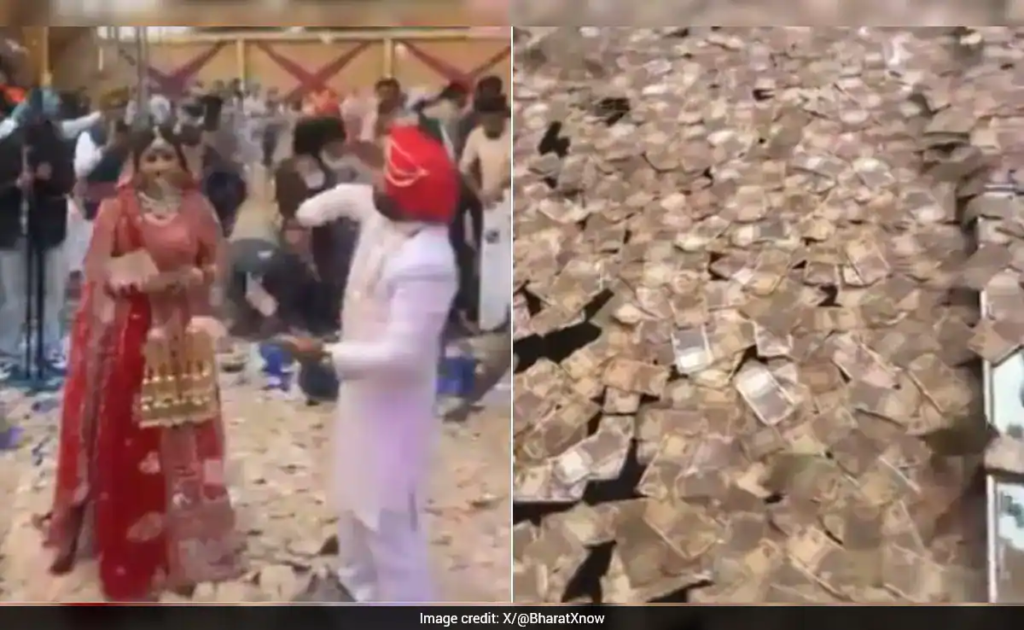
A wedding in Punjab has taken social media by storm after a viral video appeared to show a bride being showered with massive stacks of cash. Initially, online claims suggested that the bride was gifted a staggering Rs 8.5 crore, triggering widespread curiosity, outrage, and debate across platforms. However, as the video gained traction and scrutiny intensified, the bride’s family stepped forward to clarify the truth — insisting that the viral claim was highly exaggerated and that the actual amount was closer to Rs 4 lakh.
The controversy highlights how quickly misinformation can spread online, especially when visuals are dramatic and emotionally charged. Here’s a closer look at how the video went viral, the truth behind the claims, and what this episode reveals about social media culture and public perception.
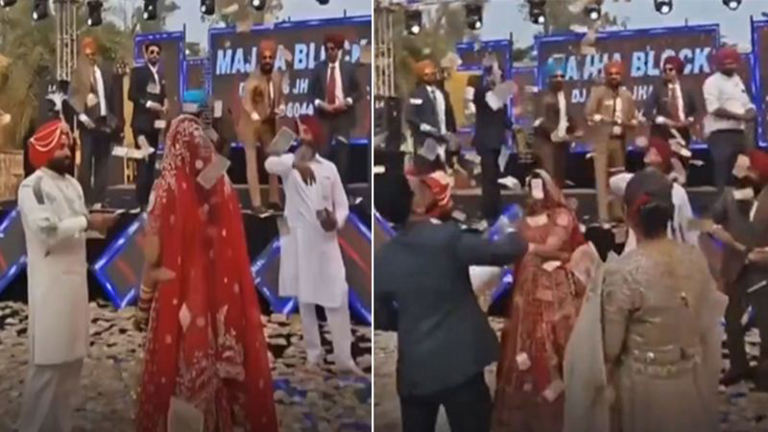
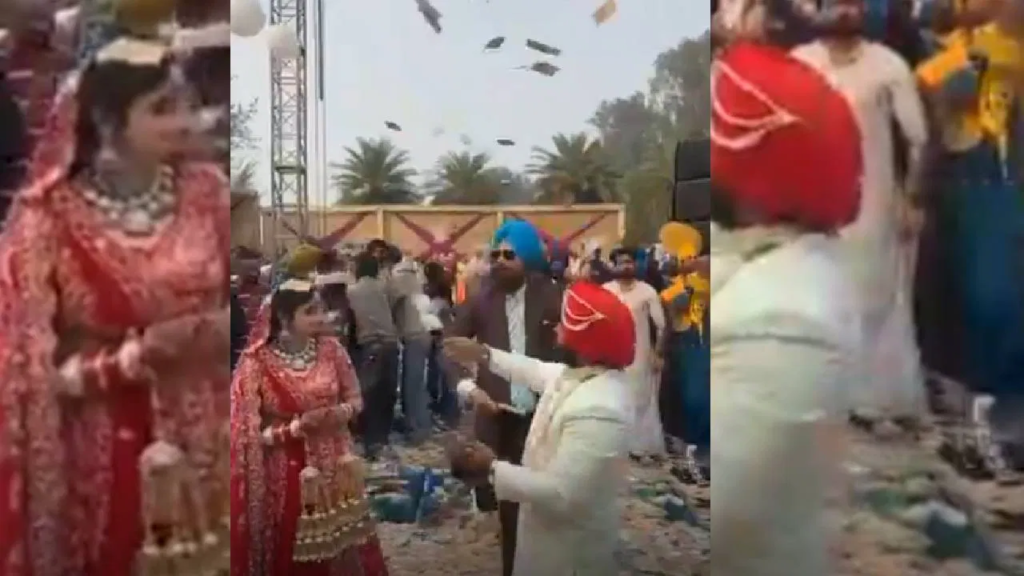
The clip, widely shared on Instagram, X (formerly Twitter), and WhatsApp groups, showed a lavish Punjabi wedding ceremony. In the video, several relatives and guests appear to be throwing bundles of cash into the air while the bride sits on a decorated stage.
The visual spectacle immediately grabbed attention, with captions claiming the bride had been showered with Rs 8.5 crore in cash gifts. The video was shared with dramatic titles like “India’s Richest Wedding” and “Punjab’s Royal Cash Ceremony,” fueling intrigue among viewers.
Within hours, the clip accumulated millions of views and became a trending topic across social media. Memes, reaction videos, and commentary flooded timelines, with some users praising the grandeur while others criticized what they perceived as ostentatious wealth display.
The viral clip triggered mixed reactions. On one hand, many viewers were fascinated by what seemed like an ultra-luxurious celebration. Some praised Punjabi weddings for their larger-than-life traditions and vibrant festivities.
On the other hand, a significant portion of the audience expressed concern and criticism. Many questioned the ethics of displaying such wealth publicly, especially at a time when conversations around income inequality and financial hardship remain prominent.
Some users also speculated about the legality of such large cash transactions, asking whether authorities should investigate the source of the money. The debate quickly escalated from curiosity to controversy, turning the wedding into a national talking point.
As speculation spiraled, members of the bride’s family issued a clarification to local media outlets. According to them, the viral claims of Rs 8.5 crore were entirely false and based on exaggerated assumptions made by social media users.
They explained that the cash seen in the video was part of a traditional celebratory gesture, where relatives shower the couple with money as a blessing. The family maintained that the total cash used in the ceremony was approximately Rs 4 lakh, not crores as widely claimed.
They also expressed disappointment over how the video was taken out of context and sensationalized online. According to family members, the clip was originally shared privately among relatives but was later reposted publicly, leading to the viral storm.
One of the biggest questions surrounding the controversy is how the Rs 8.5 crore figure emerged. Media analysts suggest that the number likely originated from speculative captions and unverified social media posts.
Once a few influential accounts shared the claim, others began reposting it without verification. The combination of a visually striking video and an eye-catching figure created the perfect recipe for viral misinformation.
Experts say such exaggerations are common in the digital age, where sensational headlines often travel faster than verified facts. The algorithm-driven nature of social media further amplifies such content, rewarding engagement over accuracy.
In many parts of North India, including Punjab, showering money during weddings is not uncommon. The act is often symbolic, representing blessings, prosperity, and goodwill toward the newlyweds.
However, cultural observers note that while the tradition exists, it is rarely associated with extremely large sums of money. The viral reaction in this case stemmed largely from the perceived scale of wealth rather than the custom itself.
Anthropologists and sociologists point out that weddings have long been sites of social signaling in India, where families showcase status through venues, attire, and rituals. In the age of social media, these displays often gain amplified attention and scrutiny.
The Punjab wedding controversy is a textbook example of how misinformation spreads in the digital era. A short video, stripped of context, can quickly morph into a larger narrative fueled by assumptions and speculation.
Digital media experts highlight three key factors behind such viral distortions:
- Visual Impact – Dramatic visuals often override rational analysis.
- Unverified Claims – Numbers and facts are shared without credible sources.
- Algorithm Amplification – Platforms boost content that generates strong reactions.
This combination makes it difficult for truth to catch up once a misleading narrative takes hold.
Although the family clarified the real amount, the incident sparked broader discussions around legal and ethical concerns. Some commentators raised questions about large cash usage in public events and whether such practices should be regulated more strictly.
Others argued that the real issue lies not in the ceremony itself but in the way misinformation can damage reputations and invite unnecessary scrutiny. The family reportedly faced intense online trolling and invasive attention due to the viral claims.
Legal experts suggest that individuals caught in such viral controversies may consider action against those spreading false information, especially if it leads to harassment or reputational harm.
For the family involved, the viral fame was likely unexpected and overwhelming. What may have been intended as a joyful private celebration turned into a public spectacle overnight.
The episode underscores how quickly private moments can become public narratives in the digital era. Weddings, festivals, and personal milestones are increasingly vulnerable to viral exposure, often without the consent of those involved.
Many users online have since called for greater responsibility while sharing personal content, emphasizing the importance of verifying information before amplifying it.
The Punjab cash wedding saga offers several takeaways for both social media users and content creators:
- Verify before sharing: Viral claims should always be cross-checked with credible sources.
- Avoid sensationalism: Eye-catching numbers can mislead audiences and cause harm.
- Respect privacy: Personal events should not be turned into public debates without context.
- Understand cultural nuance: Traditions often get misinterpreted when viewed out of context.
These lessons are increasingly relevant in a time when digital virality can reshape narratives within hours.
While the truth behind the Rs 8.5 crore claim has now been clarified, the incident remains a reminder of the power and pitfalls of social media. A single video can spark national debate, trigger misinformation, and put ordinary families under the spotlight.

At its core, the controversy reflects the evolving nature of storytelling in the digital age. Narratives are no longer shaped solely by traditional media but by millions of users who share, comment, and reinterpret content in real time.
Read Also : US Ready to Strike Iran This Weekend? 7 Explosive Facts as Trump Holds Final Call