
Finn Allen Scripts History: 34-Ball Century – Fastest Ever in T20 World Cup History
Finn Allen smashes the fastest T20 World Cup century with a stunning 34-ball 100, rewriting history with a record-breaking strike rate
Cricket witnessed one of its most explosive moments as Finn Allen rewrote history books with a breathtaking 34-ball century, the fastest ever recorded in T20 World Cup history. On a night that will be remembered for years, the New Zealand opener unleashed a power-hitting masterclass that stunned bowlers, electrified fans, and redefined aggressive batting in the shortest format of the game.
With this knock, Allen didn’t just score runs — he demolished records.
The milestone came in just 34 deliveries, shattering the previous fastest century record in T20 World Cup history. From the very first over, Allen signaled his intent, attacking both pace and spin with fearless precision.
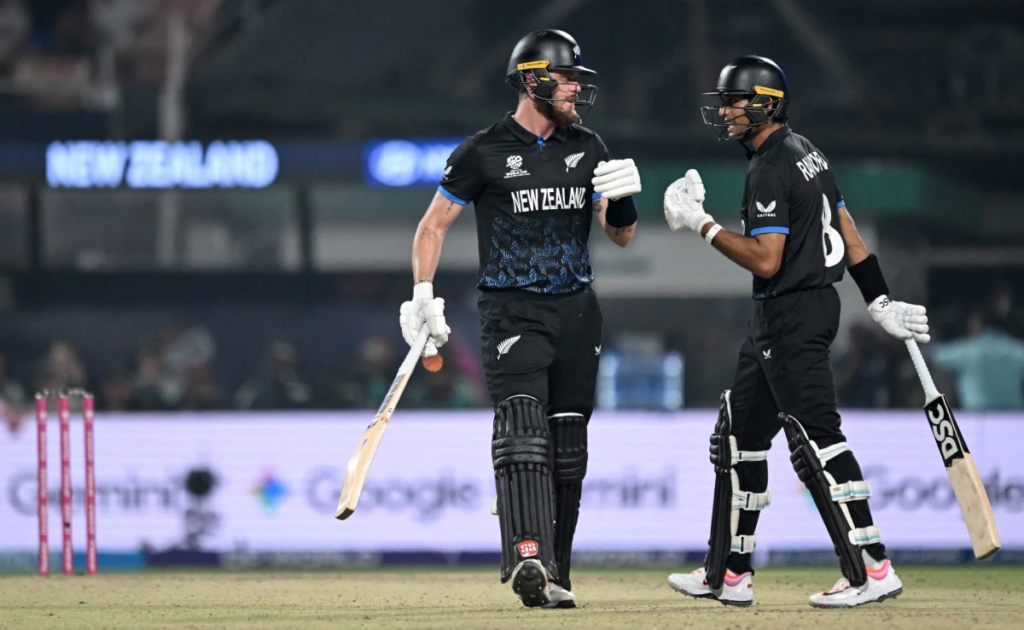
His innings included:
- 8 boundaries
- 10 towering sixes
- A jaw-dropping strike rate of 294.11
- 100* runs (unbeaten)
The power, timing, and audacity of the knock left bowlers scrambling for answers. Field placements changed repeatedly, strategies shifted mid-over, but nothing could stop the relentless assault.
Before Allen’s historic knock, the fastest T20 World Cup century belonged to legends of the format. But his 34-ball blitz now stands as the quickest in the tournament’s history, setting a new gold standard for explosive batting on the global stage.
The innings immediately entered discussions alongside some of the greatest T20 knocks ever played — not just in World Cups, but across all international T20 cricket.
Allen’s innings began with calculated aggression during the powerplay. He capitalized on fielding restrictions, finding gaps with surgical precision and launching length balls into the stands.
Within the first six overs, he had already crossed 50, reaching his half-century in just 16 balls — one of the fastest fifties in T20 World Cup history.
His ability to clear both straight boundaries and square regions made it nearly impossible for bowlers to contain him. Pace variations, short balls, yorkers — every plan was countered with fearless strokeplay.
When the opposition turned to spin to slow the momentum, Allen shifted gears seamlessly. He danced down the track, reverse-swept with authority, and dispatched deliveries into the second tier.
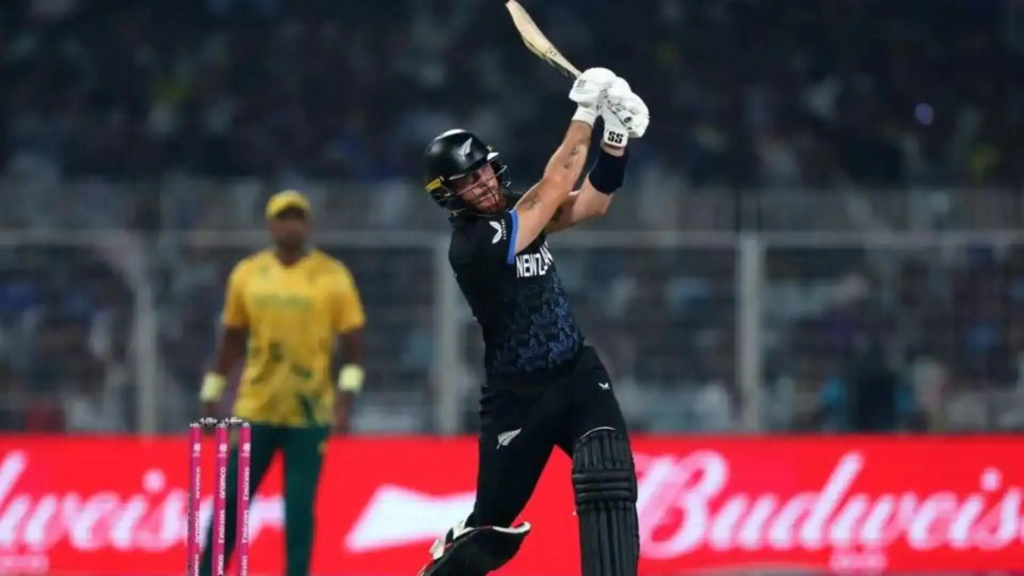
His six-hitting range was particularly remarkable:
- Lofted inside-out shots over extra cover
- Clean strikes over long-on
- Pull shots into midwicket stands
- Flat hits over long-off
The bowlers’ body language said it all — frustration, disbelief, and resignation.
A strike rate touching nearly 300 in international cricket is rare. Maintaining it over a 100-run innings? Almost unheard of.
Allen’s 294.11 strike rate is now among the highest ever recorded for a T20 international century. It wasn’t reckless slogging; it was calculated destruction.
Each boundary seemed planned. Each six, deliberate.
Beyond the individual milestone, the innings completely shifted the match dynamic. The opposition was pushed onto the defensive early, fielders were spread thin, and bowlers lost control of their lengths.
New Zealand’s total surged at an unprecedented rate, crossing major scoring milestones well ahead of expected run-rate projections.
The psychological advantage was overwhelming. When one batter dominates so comprehensively, it changes how the rest of the innings unfolds.
Social media exploded within minutes of the record-breaking moment.
Former cricketers, analysts, and commentators hailed the knock as one of the most destructive innings in T20 World Cup history.
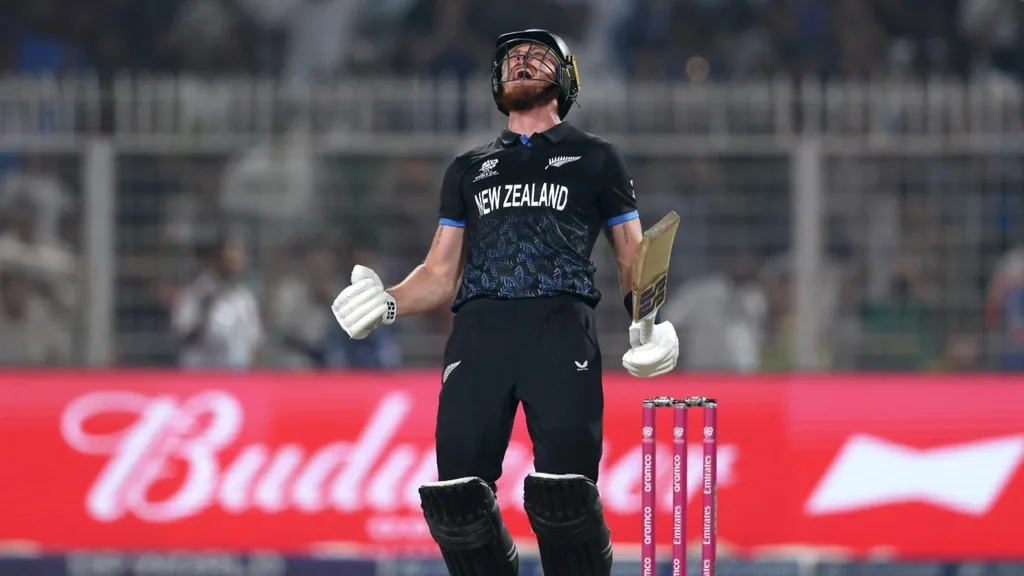
Many compared Allen’s fearless approach to modern T20 legends known for redefining power-hitting. Some even labeled it as the “most complete powerplay-to-death overs assault” ever seen in a global ICC event.
Fans described it as:
- “Video game batting”
- “Peak T20 evolution”
- “A generational knock”
- “The future of power-hitting”
Allen’s innings reflects the rapid evolution of T20 cricket. Modern batters now combine brute strength with technical innovation and mental clarity.
Fitness standards have improved.
Bat technology has advanced.
Strategic data analysis has sharpened.
But what sets performances like this apart is confidence — the belief that no total is unreachable and no bowler untouchable.
Scoring a century in a T20 World Cup carries immense pressure. The global spotlight, packed stadiums, and high stakes often slow players down.
Allen did the opposite.
He accelerated under pressure.
His shot selection showed maturity beyond recklessness. Even during high-risk strokes, he appeared composed, focused, and in total control.
Such innings can define tournaments. Momentum gained from record-breaking performances often fuels team confidence deep into knockout stages.
Opponents now face a new challenge — how to bowl to Allen after witnessing this destruction.
Teams will revisit strategies, analyze weaknesses, and rethink field placements. But after a knock like this, doubt creeps into bowlers’ minds.
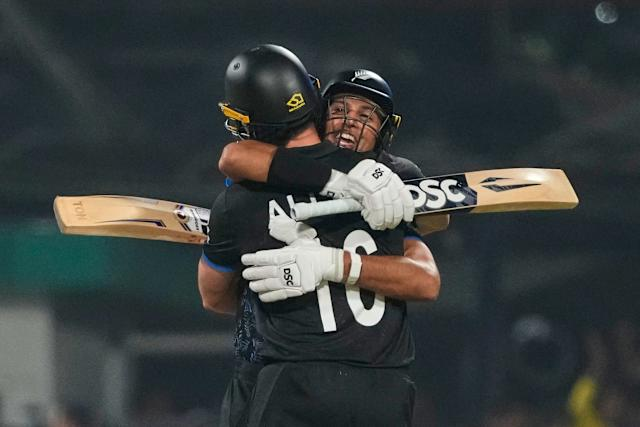
And doubt is deadly in T20 cricket.
Here’s what made this innings statistically extraordinary:
- Fastest T20 World Cup century (34 balls)
- One of the fastest T20I centuries ever
- Strike rate close to 300
- 10 sixes in a single innings
- Reached 50 in 16 balls
- Unbeaten century
Few innings combine speed, dominance, and match impact at this scale.
For Allen, this wasn’t just another century — it was a statement.
A declaration that he belongs among the elite power-hitters of international cricket.
The innings showcased:
- Clean ball-striking
- Fearless intent
- Tactical awareness
- Physical strength
- Mental composure
It was the perfect storm of modern T20 batting.
For New Zealand, such a performance strengthens their campaign significantly. Explosive starts allow middle-order stability and bowling flexibility later in matches.
A player in this kind of form can single-handedly tilt tournament momentum.
Opposition analysts will now place Allen at the top of their “danger list” heading into future fixtures.