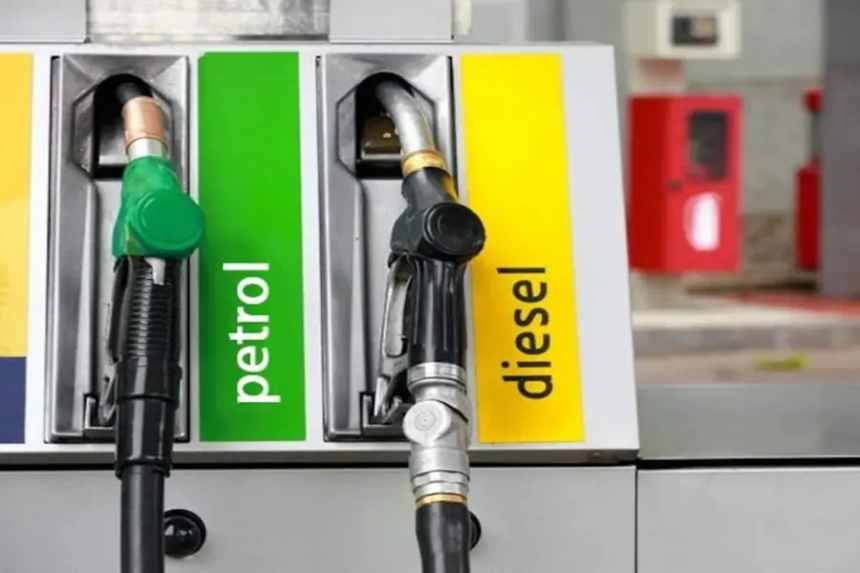
Petrol & Diesel Prices March 4, 2026: Bad News Alert — Rates May Spike as Global Crude Nears $80 Due to Iran War
Petrol and diesel prices on March 4, 2026 may surge across India including Delhi, Mumbai, Bengaluru, Kolkata and Noida as geopolitical tensions from the Iran war push global crude oil above key levels
Fuel price watchers and motorists across India are bracing for a possible fuel price hike on March 4, 2026 as global crude oil edges higher due to escalating tensions in the Iran conflict. With petrol and diesel prices already at elevated levels, any further increase could put added strain on household budgets, transportation costs, and the broader economy. This detailed update covers current fuel rates in major cities like Delhi, Mumbai, Bengaluru, Kolkata, and Noida, explains why prices may rise, and breaks down what this means for consumers.
Here’s a snapshot of fuel prices across key metropolitan hubs before the expected hike:
| City | Petrol Price (₹/L) | Diesel Price (₹/L) |
|---|---|---|
| Delhi | ₹94.77 | ₹89.41 |
| Mumbai | ₹103.54 | ₹94.98 |
| Bengaluru | ₹102.96 | ₹92.37 |
| Kolkata | ₹98.19 | ₹92.38 |
| Noida | ₹95.36 | ₹90.01 |
Note: These prices are subject to change as oil markets react to geopolitical developments.
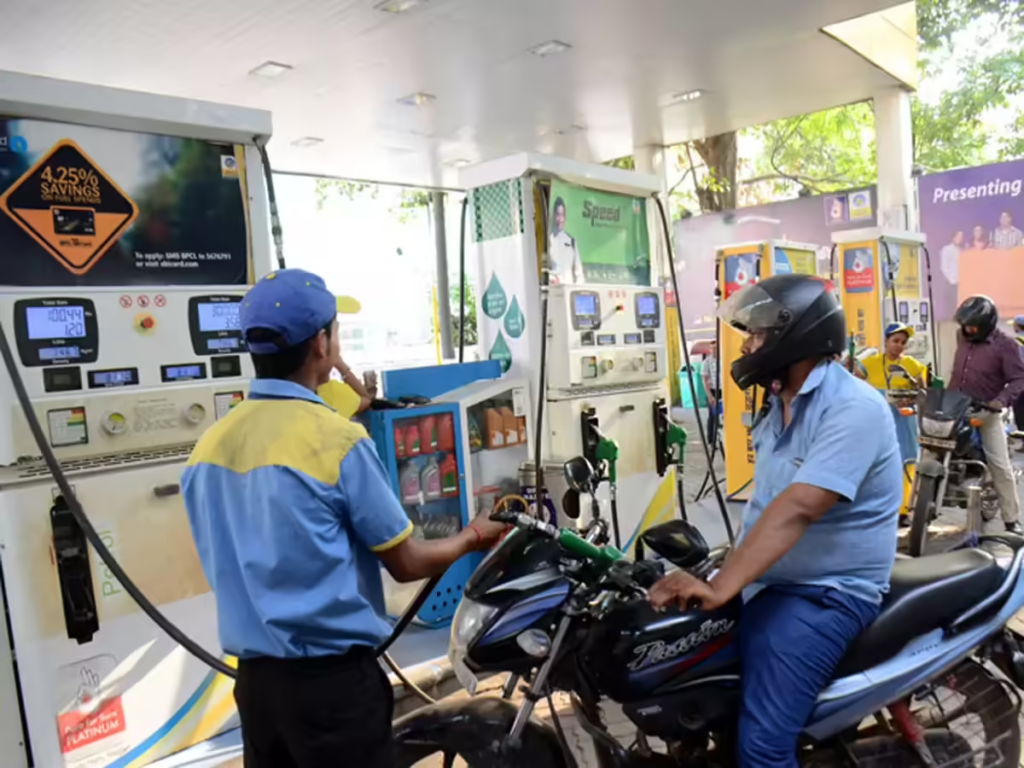
Fuel price fluctuations in India are largely driven by international crude oil prices, particularly benchmarks like Brent Crude. The ongoing conflict involving Iran has triggered volatility in oil markets, with crude prices nearing the $80 per barrel mark — a psychological level that often translates into higher retail fuel rates.
1. Supply Disruptions and Risk Premiums
Iran is a major player in the global oil landscape. Conflict in the Middle East — especially near strategic water routes like the Strait of Hormuz — can disrupt crude shipments and add a “risk premium” to oil pricing. Traders factor geopolitical instability into contracts, pushing prices up even without immediate supply shortages.
2. Global Demand and Inventory Dynamics
While demand pressure has remained resilient globally, crude inventories in key consuming nations have tightened. Any unexpected supply disruption combined with steady demand amplifies price movements.
3. Currency Fluctuations
India imports nearly all of its crude oil. A weaker Indian rupee against the US dollar magnifies the fuel price impact at the pump. Even mild currency depreciation can add several rupees to per-litre fuel costs.
Delhi
The national capital has petrol priced around ₹94.77 per litre and diesel at ₹89.41 per litre. If crude continues its upward trajectory, Delhi residents could soon see petrol cross the ₹97 mark and diesel touch or exceed ₹91.
Mumbai
Mumbai’s fuel rates are among the highest in India due to local taxes:
- Petrol: ₹103.54/L
- Diesel: ₹94.98/L
A price spike may push petrol closer to ₹107 and diesel beyond ₹97, making commutes costly for many Mumbaikars.
Bengaluru
In Bengaluru, petrol stands at ₹102.96 and diesel at ₹92.37. Karnataka consumers are watching closely as any increase could nudge petrol closer to ₹106 and diesel past ₹94.
Kolkata
Fuel prices in eastern India’s largest city are slightly lower:
- Petrol: ₹98.19/L
- Diesel: ₹92.38/L
Even here, a crude-linked hike could push petrol rates near ₹101 and diesel beyond ₹94.
Noida
Neighboring Delhi, Noida’s prices are:
- Petrol: ₹95.36/L
- Diesel: ₹90.01/L
Consumers here may face fuels nearing ₹98 for petrol and ₹92 for diesel soon.
1. Transportation Costs
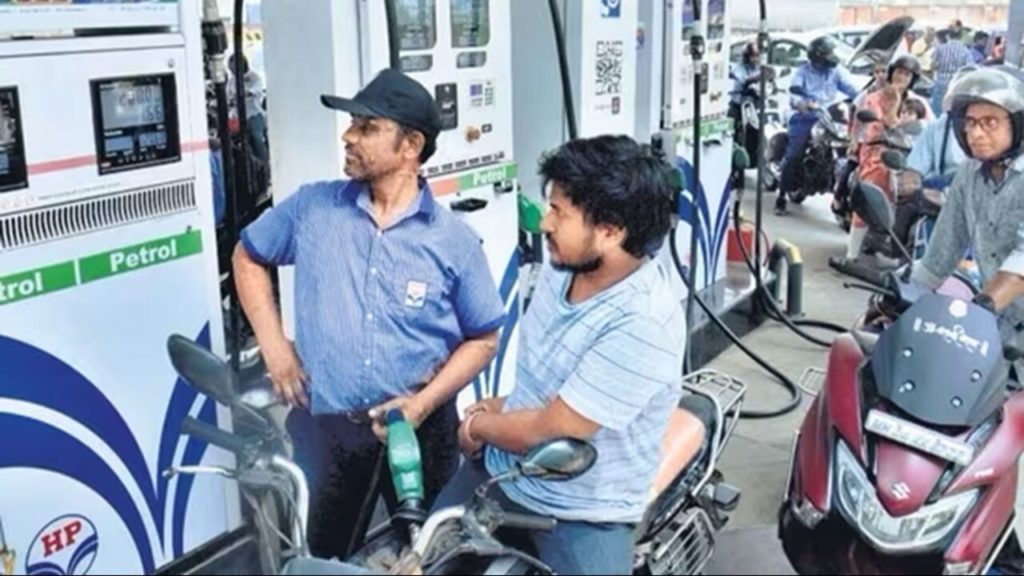
Higher petrol and diesel prices directly increase transportation costs. Taxi fares, auto rickshaw charges, and ride-share rates often see adjustments following fuel price hikes. For long-distance travel and logistics services, these cost pressures compound further.
2. Inflationary Pressures
Fuel costs are a major input for goods and services. Whether it’s food deliveries, courier services, or industrial production, higher fuel expenses eventually flow into retail prices, fuelling broader inflation figures.
3. Household Budgets
For families that rely on personal vehicles, even a ₹2-4 increase per litre can add substantial monthly expenses. For example:
- A commuter driving 1,000 km monthly may spend ₹200–₹400 extra.
- For transport businesses with large fleets, the impact multiplies significantly.
Economists and market analysts have pointed out that while temporary spikes due to geopolitical events are common, the duration and severity of the Iran conflict will determine how long elevated fuel prices last.
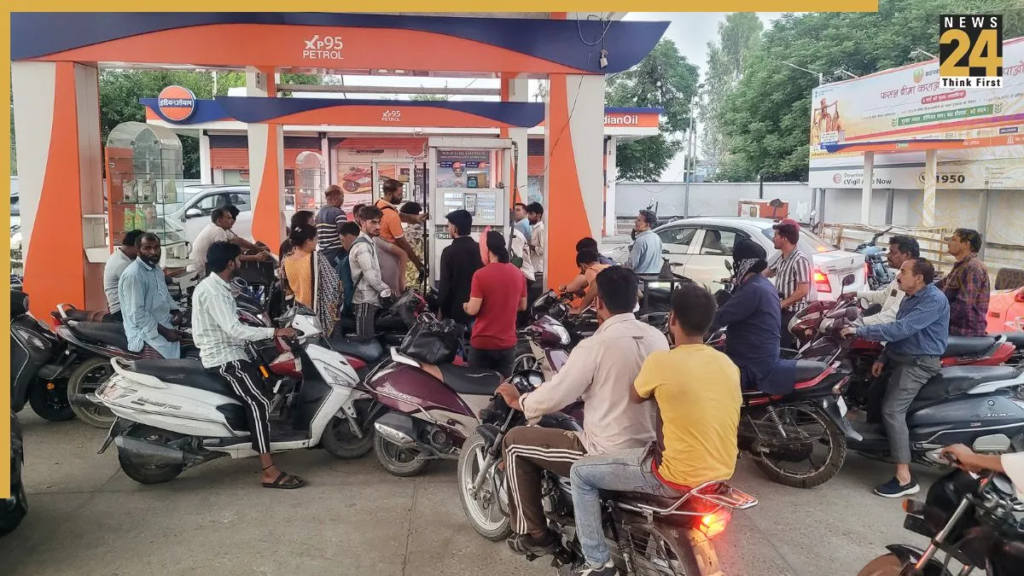
Some key takeaways from expert analysis:
- Short-term volatility is expected to continue over the next 1–3 weeks.
- If tensions escalate further, crude prices could breach $85 per barrel, triggering sharper retail fuel hikes.
- On the positive side, a resolution or de-escalation scenario could ease crude markets and stabilize fuel rates.
India’s fuel pricing mechanism is market-linked, meaning rates adjust frequently based on international crude movements and currency shifts.
The government, Oil Marketing Companies, and regulators monitor energy markets closely. While taxes play a role in final prices, most fluctuation comes from crude benchmark changes.
Some industry insiders have hinted that if crude price volatility continues, OMCs might adjust prices within a 48-hour window.
Motorists and consumers can adopt several strategies to lessen the impact of rising petrol and diesel prices:
1. Carpooling & Ride-Sharing
Sharing rides with colleagues or using ride-share apps on high-traffic days can reduce individual fuel expenses.
2. Fuel-Efficient Driving
Simple habits like avoiding harsh acceleration, maintaining proper tyre pressure, and reducing idle time can improve fuel economy.
3. Plan Essential Trips
Limiting non-urgent outings and combining errands can help conserve fuel and budget.
4. Use Public Transport
Metro, buses, and local trains offer cost-effective alternatives on high fuel price days.
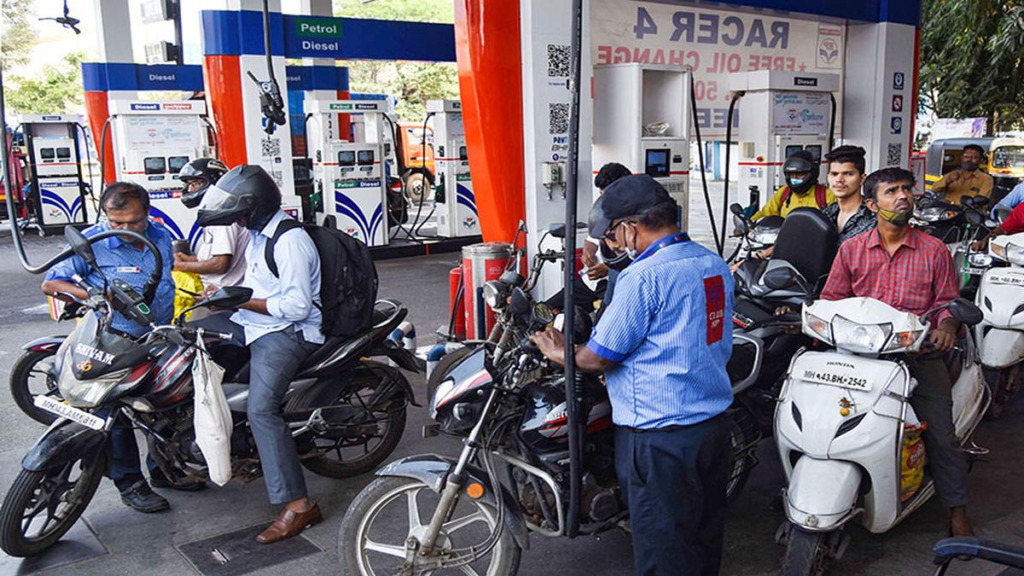
Fuel prices are typically updated daily in India, making monitoring essential for consumers. If crude prices continue to rise due to geopolitical tensions, petrol and diesel rates may see one or more increments in the coming days.
On the flip side, any positive news around peace-building or market stabilization could temper crude rates and ease pressure at the pump.
Read Also : Finn Allen Scripts History: 34-Ball Century – Fastest Ever in T20 World Cup History