Iran War After 1 Week: 10 Major Ways the Conflict Is Shaking the Middle East and the World
One week into the escalating conflict involving Iran, tensions are reshaping the security landscape of the Middle East
One week after the outbreak of hostilities involving Iran, the conflict is rapidly reshaping the political, military, and economic landscape of the Middle East and sending ripple effects across the globe. What began as a series of military strikes has escalated into a tense regional crisis that is drawing international attention and raising concerns about a wider war.
In the days since the conflict erupted, missile attacks, drone strikes, diplomatic warnings, and military mobilizations have dominated headlines. Countries across the region are now preparing for possible escalation, while global markets and governments are closely monitoring the situation.
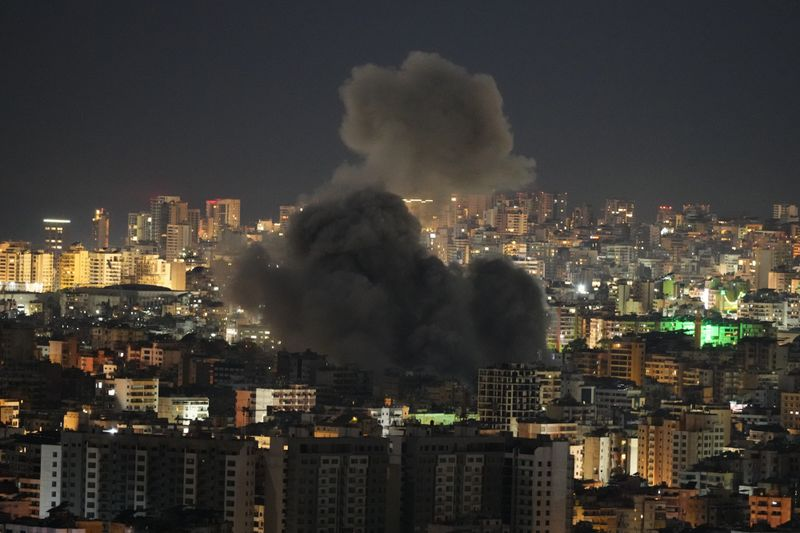
Here are 10 major ways the first week of the Iran war is unfolding and affecting the Middle East and beyond.
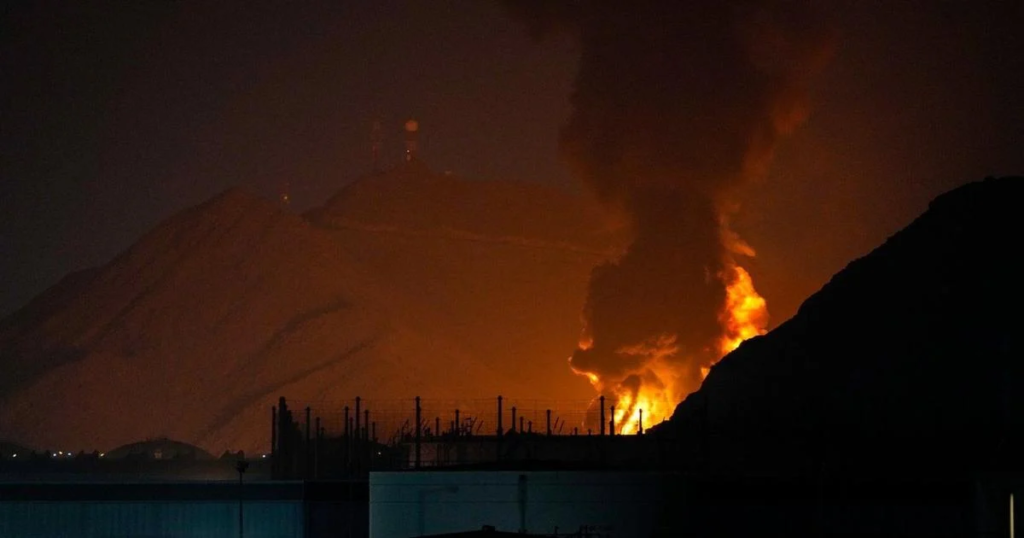
The conflict intensified after military strikes targeted key installations linked to Iran. These attacks triggered a swift response from Iranian forces and allied groups, leading to a cycle of retaliatory strikes.
Reports indicate that missiles and drones have been launched toward strategic military sites across the region. These strikes have heightened tensions and increased the risk of further escalation.
Military analysts warn that if attacks continue to expand geographically, the conflict could evolve into a broader regional confrontation involving multiple countries.
One of the most significant aspects of the crisis is the growing confrontation between Iran and Israel.
For years, the two nations have been engaged in a shadow conflict involving cyberattacks, covert operations, and proxy battles. However, the latest developments have pushed their rivalry closer to direct military confrontation.
Both countries have increased military readiness, and defense forces remain on high alert amid fears of additional strikes.
The escalating rivalry is a major factor contributing to the instability across the region.
The crisis has also prompted the United States to increase its military presence in the Middle East.
American naval forces, air defense systems, and strategic assets have reportedly been repositioned to protect regional allies and deter further escalation.
The United States has long maintained military bases in several Middle Eastern countries, and these installations are now playing a key role in regional security operations.
Washington has also urged restraint while emphasizing its commitment to defending allies and maintaining stability.
The Middle East plays a critical role in global energy supply, and any conflict in the region has immediate consequences for oil markets.
Following the outbreak of hostilities involving Iran, global oil prices experienced sharp fluctuations. Investors are concerned that prolonged conflict could disrupt oil shipments through key maritime routes.
Energy analysts are particularly watching the strategic Strait of Hormuz, a narrow waterway through which a large portion of the world’s oil supply passes.
Even the possibility of disruptions in this region can significantly affect global energy markets.
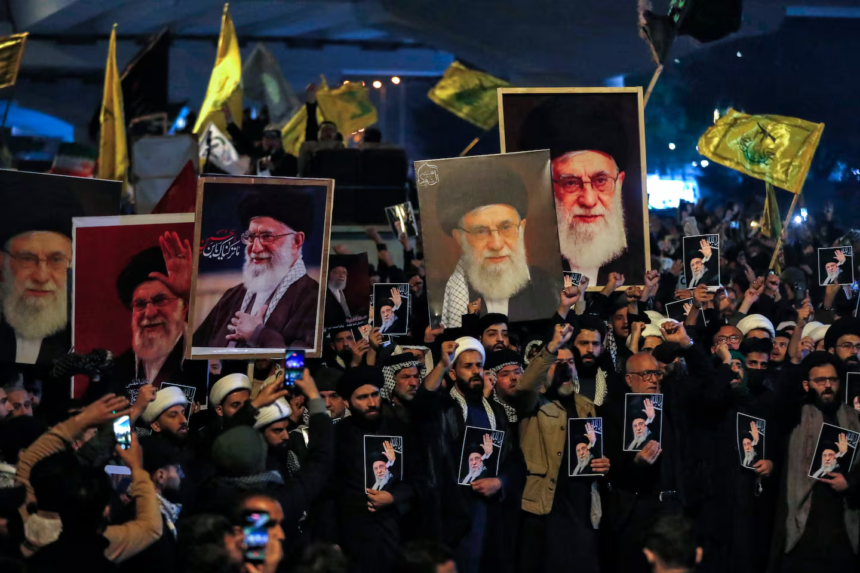
Another major concern is the involvement of armed groups allied with Iran in various parts of the Middle East.
These groups operate in several countries and could potentially expand the conflict beyond direct state-to-state confrontation.
Such developments would complicate the situation further and make diplomatic resolution more difficult.
Security experts warn that proxy conflicts have historically been a major driver of prolonged instability in the region.
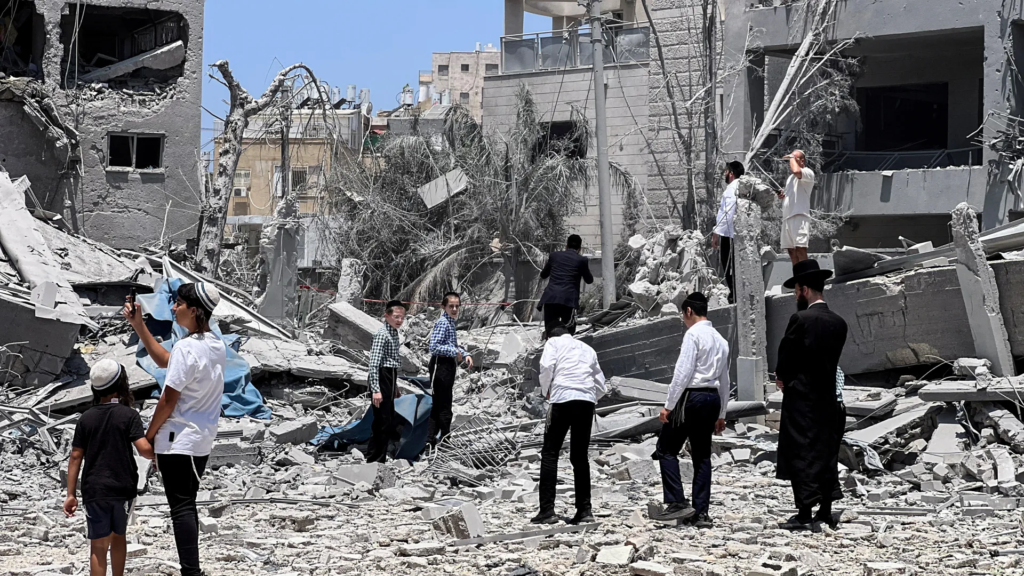
As tensions escalate, humanitarian organizations are increasingly worried about the potential impact on civilian populations.
Military strikes and retaliatory attacks raise the risk of casualties, displacement, and damage to infrastructure.
In conflict zones across the Middle East, humanitarian agencies are monitoring the situation and preparing contingency plans to assist affected communities if the crisis worsens.
The possibility of a prolonged conflict could create new humanitarian challenges for the region.
Amid growing fears of escalation, diplomatic efforts are underway to prevent the conflict from spiraling out of control.
Several countries and international organizations are calling for restraint and encouraging dialogue between the parties involved.
The United Nations has urged all sides to avoid actions that could intensify the crisis and has emphasized the importance of diplomatic solutions.
Global powers are also engaging in behind-the-scenes discussions to de-escalate tensions and prevent the conflict from spreading further.
In response to the crisis, many countries in the Middle East have increased security measures.
Air defense systems have been activated, military forces placed on alert, and border security strengthened.
Governments across the region are preparing for potential spillover effects, including missile attacks or drone incursions.
The heightened security environment reflects the seriousness of the current situation.
The conflict has triggered reactions from governments around the world.
Countries in Europe, Asia, and the Americas have issued statements urging calm and emphasizing the need for diplomatic solutions.
The crisis is also dominating discussions in international forums, where leaders are debating how best to prevent further escalation.
Global political reactions highlight the far-reaching implications of the conflict beyond the Middle East.
Perhaps the most concerning aspect of the current crisis is the possibility that it could trigger long-term instability in the region.
The Middle East has experienced numerous conflicts over the past decades, many of which have had lasting geopolitical consequences.
If the current hostilities continue or expand, they could reshape alliances, influence military strategies, and alter the balance of power in the region.
Experts warn that even if immediate tensions ease, the long-term political impact could persist for years.
Beyond the immediate military and political developments, the conflict is also affecting global systems.
Economic markets, energy supply chains, and diplomatic relationships are all being influenced by the unfolding crisis.
Countries that depend heavily on Middle Eastern oil are closely watching the situation, while investors are reacting to uncertainty in global markets.
Additionally, international organizations are working to coordinate responses aimed at maintaining stability.
In the digital age, information about conflicts spreads rapidly across news platforms and social media.
While this allows the global public to stay informed, it also increases the risk of misinformation and unverified claims.
Experts encourage audiences to rely on credible sources and verified reporting when following developments related to the conflict involving Iran.
Accurate information is essential for understanding the complex dynamics of the situation.
As the second week of the conflict begins, several questions remain unanswered.
Key issues include:
- Whether military strikes will continue or intensify
- Whether diplomatic efforts will succeed in reducing tensions
- Whether additional countries will become directly involved
The answers to these questions will shape the trajectory of the crisis in the coming weeks.
Analysts say the next phase of developments could determine whether the conflict remains limited or expands into a broader regional confrontation.
Read Also : We Voted for You, Now Do Your Job”: 7 Strong Messages From Nepal’s Gen Z to New Leaders