70 Lakh+ Inclusion Requests: 5 Big Updates on Uttar Pradesh SIR Claims & Objections Process
During the claims and objections phase of the Special Intensive Revision (SIR), Uttar Pradesh recorded over 70 lakh applications for voter name inclusion and 2.68 lakh requests for deletion
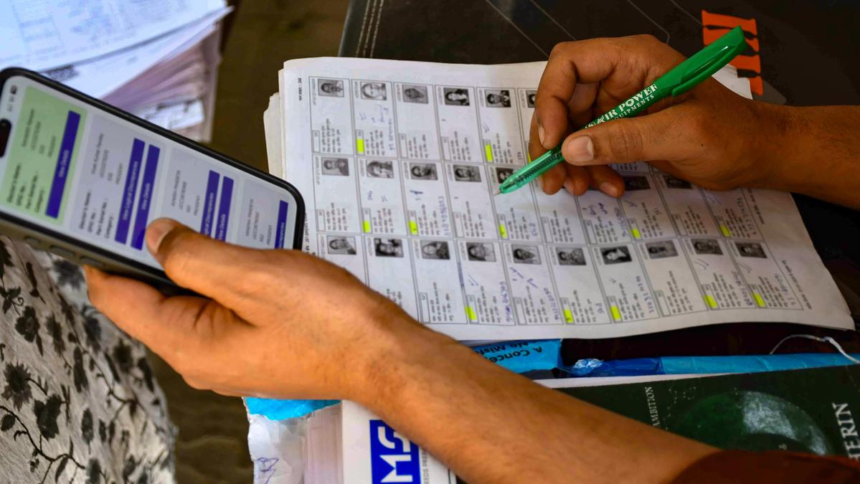
The electoral process in Uttar Pradesh has witnessed massive public participation during the latest Special Intensive Revision (SIR) of voter lists. Officials have reported that more than 70 lakh applications were submitted for the inclusion of new names in the voter list, while approximately 2.68 lakh requests were filed seeking the deletion of existing entries.
The claims and objections phase, which is a crucial part of the electoral roll revision exercise conducted by the Election Commission of India, allows citizens to ensure that voter lists remain accurate and up to date. The large number of applications highlights the growing awareness among citizens regarding the importance of maintaining correct electoral records ahead of future elections.
Below is a detailed look at the key developments surrounding this massive voter list revision drive.
The claims and objections period in Uttar Pradesh recorded an overwhelming response from citizens. According to election officials, more than 70 lakh people submitted forms requesting inclusion of their names in the voter list.
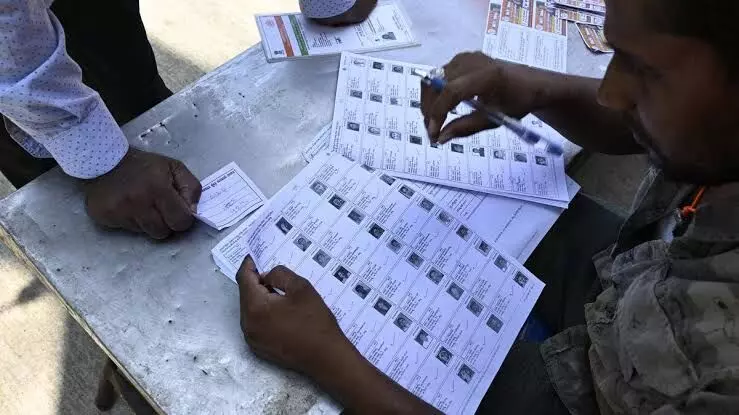
This includes newly eligible voters who have recently turned 18 as well as residents who may have moved to new locations within the state and wish to update their voter registration.
At the same time, about 2.68 lakh applications were submitted for deletion of names from the electoral roll. These requests generally arise due to reasons such as the death of a voter, relocation to another constituency, or duplication of entries.
Election officials say such revisions are essential for maintaining the accuracy and credibility of voter lists.
The Special Intensive Revision (SIR) is a comprehensive exercise aimed at updating electoral rolls before major elections.
During this process, officials conduct door-to-door verification and encourage citizens to check whether their names appear correctly in the voter list. People are also given the opportunity to file claims if their names are missing or objections if they find incorrect entries.
The revision exercise ensures that every eligible citizen gets the opportunity to vote while preventing ineligible or duplicate entries from remaining in the system.
In a populous state like Uttar Pradesh, where the electorate runs into crores, such large-scale revision drives play a crucial role in safeguarding the democratic process.
The entire revision process is conducted under the supervision of the Election Commission of India, which is responsible for ensuring free and fair elections across the country.
Election officials at district and constituency levels coordinate with booth-level officers (BLOs) to verify applications and make necessary corrections in the electoral roll.
Citizens can submit forms both online and offline. The introduction of digital services has made it easier for people to check their voter status, apply for corrections, or request inclusion without visiting government offices.
The commission has repeatedly emphasized the importance of citizen participation in such revision exercises to ensure the voter list reflects the true electorate.
The high number of inclusion requests—over 70 lakh applications—is being attributed to several factors.
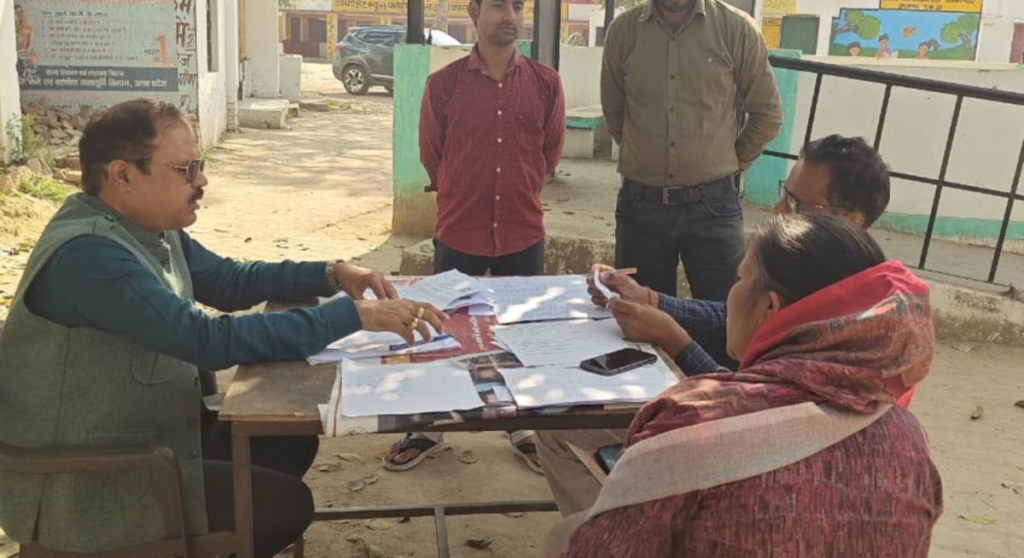
First, a large number of young citizens in Uttar Pradesh have recently turned 18 and become eligible to vote for the first time. Every year, thousands of new voters join the electoral rolls as they reach voting age.
Second, migration within the state often leads to voters shifting their residence from one constituency to another. In such cases, individuals need to submit fresh applications to include their names in the electoral roll of their new area.
Third, awareness campaigns conducted by election authorities have encouraged citizens to verify their voter details and apply for corrections if needed.
As a result, the number of applications has risen significantly during this revision cycle.
The 2.68 lakh deletion applications submitted during the claims and objections period reflect the effort to remove outdated or incorrect entries.
Common reasons for requesting deletion include:
- Death of a registered voter
- Voters permanently shifting to another state or constituency
- Duplicate entries appearing in the voter list
- Incorrect registrations due to administrative errors
Officials stress that removing such entries is just as important as adding new voters. Accurate voter lists help prevent electoral irregularities and ensure the integrity of the democratic process.
Once the claims and objections period ends, election officials begin the process of verifying all submitted forms.
Booth-level officers visit households, check documents, and verify the authenticity of applications. In some cases, hearings may also be conducted if objections are raised against certain entries.
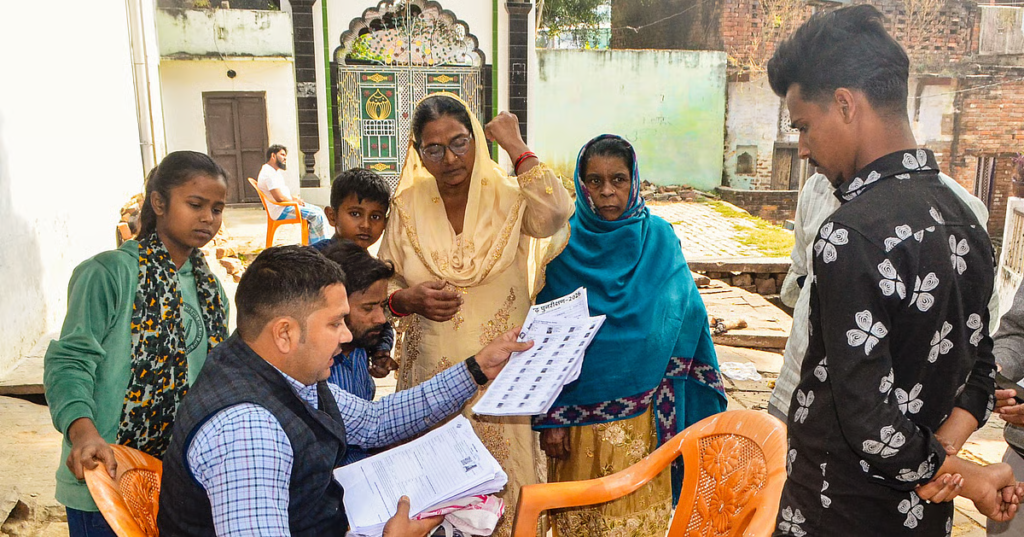
The final decision regarding inclusion or deletion is made after careful examination of all evidence and supporting documents.
Officials from the Election Commission of India say the process is designed to ensure fairness and transparency while protecting the rights of eligible voters.
The revision of electoral rolls in Uttar Pradesh is particularly significant because the state plays a major role in India’s political landscape.
With one of the largest electorates in the country, accurate voter lists are essential for conducting smooth elections. Every correction made during the Special Intensive Revision (SIR) helps ensure that the electoral system reflects the true will of the people.
Political analysts often view such large-scale participation in voter registration drives as a positive sign of democratic engagement.
In recent years, digital platforms have made it easier for voters to interact with the election system.
Citizens can now check their voter details online, submit applications electronically, and track the status of their requests. This has reduced paperwork and improved efficiency in handling large numbers of applications.
The Election Commission of India has also launched awareness campaigns encouraging people to use online services for voter registration and corrections.
These technological improvements have played a role in increasing participation during the current revision cycle.
The submission of over 70 lakh inclusion forms during the claims and objections period reflects the enthusiasm of citizens to be part of the democratic process.
For many young voters, this will be their first opportunity to participate in elections. For others, it represents a chance to correct errors and ensure their voting rights remain intact.
Officials believe that high participation in voter list revision exercises strengthens democracy by making electoral rolls more accurate and inclusive.
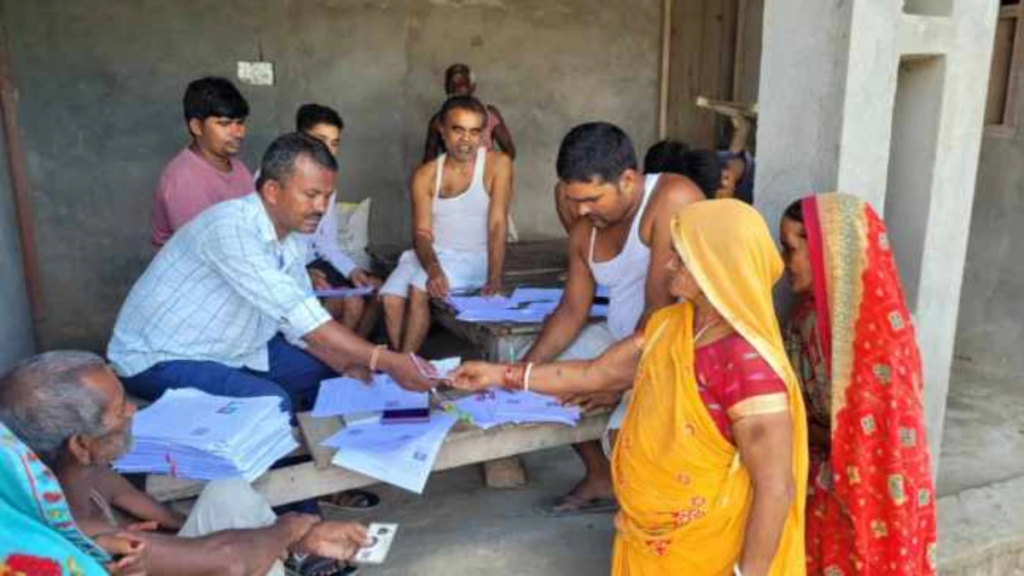
As the verification process continues, authorities will carefully examine all applications before publishing the final revised electoral roll.
Once the updated list is released, voters will again be able to verify their names and ensure that their details are correct.
For a large and diverse state like Uttar Pradesh, such exercises are essential to maintaining trust in the electoral system.
With millions of citizens actively participating in the Special Intensive Revision (SIR), the latest revision drive has once again demonstrated the scale and complexity of managing elections in the world’s largest democracy.
Read Also : 50-Year Record Broken: 7 Shocking Facts About Delhi’s Hottest First Week of March at 35.7°C, Says IMD