7 Iranian Attaches EXPELLED After DEVASTATING LNG Facility Strike Escalates Tensions
Qatar expels 7 Iranian attaches following a shocking LNG facility strike, escalating Middle East tensions and raising global energy security concerns
In a dramatic escalation of geopolitical tensions in the Middle East, Qatar has expelled seven Iranian diplomatic attaches following a devastating strike on a major liquefied natural gas (LNG) facility. The move signals a sharp deterioration in relations between Doha and Tehran and has sent shockwaves through global energy markets already grappling with instability.
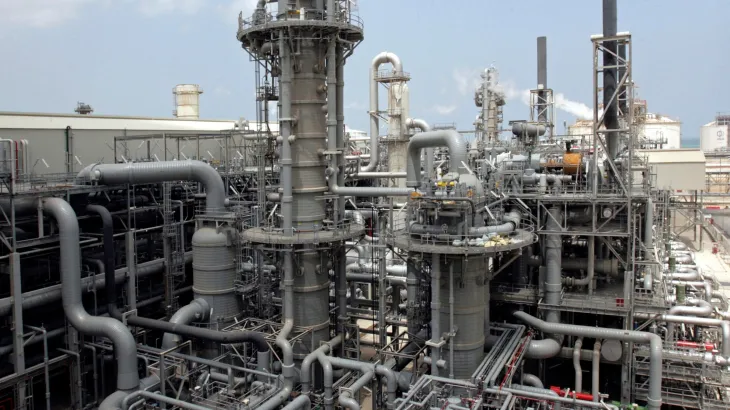
The crisis erupted after a targeted strike hit one of Qatar’s critical LNG facilities—an infrastructure cornerstone not only for the Gulf nation but also for global energy supply chains. Qatar is among the world’s leading exporters of liquefied natural gas, supplying key markets in Asia and Europe. The facility, reportedly located in the industrial hub of Ras Laffan, suffered significant damage, temporarily disrupting production and triggering fears of prolonged supply constraints.
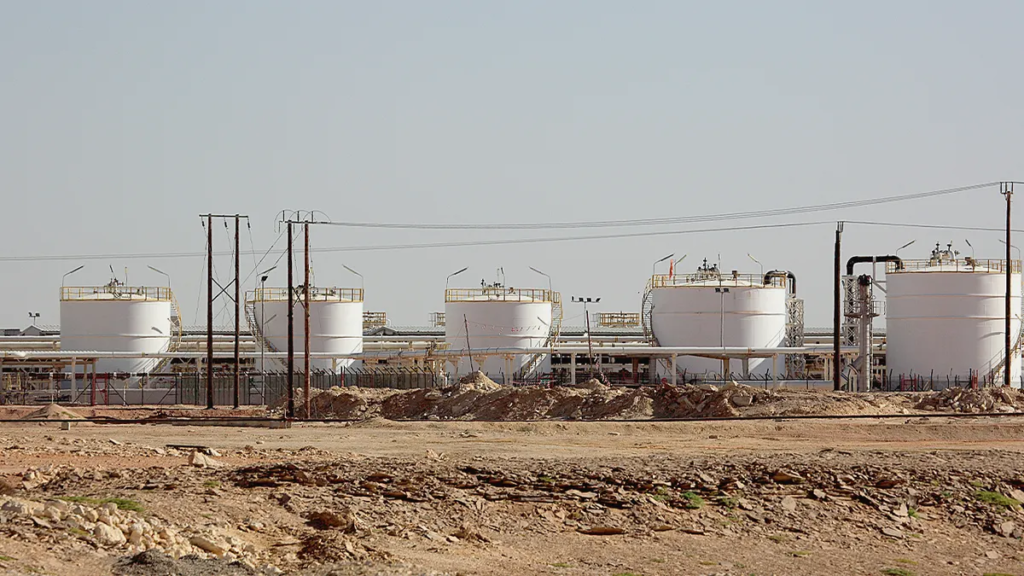
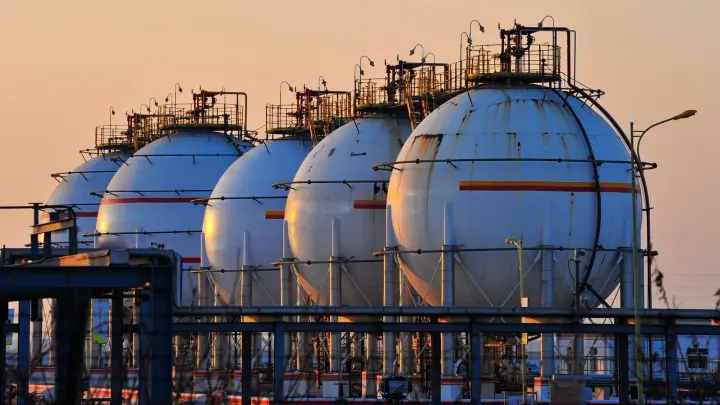
While Qatari authorities have not publicly disclosed the full extent of the damage, early reports suggest that storage units and processing lines were affected. Emergency response teams were immediately deployed, and operations were partially halted as a precautionary measure.
Though no group has officially claimed responsibility, intelligence assessments reportedly pointed toward Iranian involvement or proxy actors aligned with Tehran. This prompted swift diplomatic retaliation from Qatar.
In a rare and forceful move, Qatar announced the expulsion of seven Iranian diplomatic attaches, citing “activities inconsistent with diplomatic norms.” The Ministry of Foreign Affairs issued a statement condemning the LNG facility strike as a violation of sovereignty and international law.
The expelled officials were given a limited timeframe to leave the country, marking one of the most significant diplomatic actions taken by Qatar against Iran in recent years. Analysts view the expulsion as both a punitive and symbolic gesture, intended to send a clear message that Doha will not tolerate threats to its critical infrastructure.
This move also reflects Qatar’s increasing willingness to adopt a more assertive foreign policy posture, particularly when its economic lifelines are targeted.
Iran has strongly denied any involvement in the LNG facility strike, dismissing the allegations as “baseless and politically motivated.” Tehran’s Foreign Ministry warned that the expulsion of its diplomats could further destabilize regional relations and called for dialogue to resolve tensions.
Despite the denial, the incident has intensified suspicion among Gulf Cooperation Council (GCC) members, many of whom have long accused Iran of engaging in covert operations across the region.
Countries like Saudi Arabia and the United Arab Emirates have expressed solidarity with Qatar, condemning the attack and emphasizing the need to protect energy infrastructure from hostile actions. The development has also revived concerns over maritime security in the Strait of Hormuz, a vital chokepoint for global oil and gas shipments.
The LNG facility strike and subsequent diplomatic fallout have had immediate repercussions on global energy markets. Prices of liquefied natural gas surged as traders reacted to fears of supply disruption from Qatar, which accounts for a significant share of the world’s LNG exports.
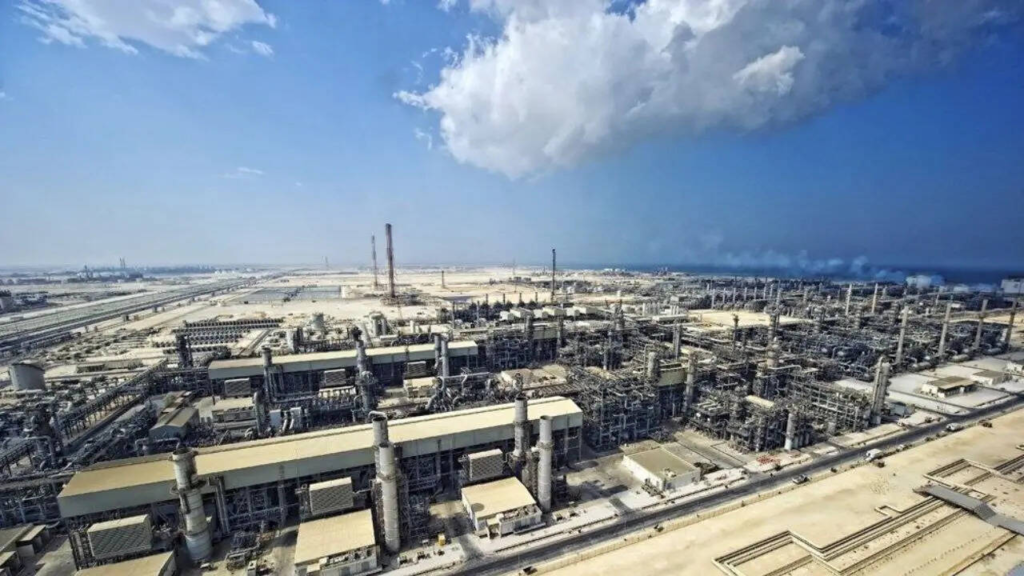
European countries, already navigating energy challenges due to geopolitical uncertainties, are particularly vulnerable to any disruption in Qatari supply. Asian markets, including major importers like Japan and South Korea, are also closely monitoring the situation.
Energy analysts warn that prolonged instability in the Gulf region could lead to sustained price volatility, affecting industries and consumers worldwide. Insurance premiums for shipping through the region have also reportedly increased, adding another layer of complexity to global energy logistics.
Qatar’s LNG sector is the backbone of its economy, contributing significantly to national revenue and global energy security. The country has invested heavily in expanding its LNG production capacity, aiming to solidify its position as a leading energy exporter.
The attacked facility plays a crucial role in processing and exporting natural gas from the North Field, one of the largest natural gas reserves in the world. Any disruption to this infrastructure has far-reaching implications, not just for Qatar but for the entire global energy ecosystem.
The incident underscores the vulnerability of critical energy infrastructure to geopolitical conflicts and highlights the need for enhanced security measures.
The international community has expressed concern over the escalating tensions between Qatar and Iran. The United Nations called for restraint and urged all parties to avoid actions that could further destabilize the region.
The United States and European Union have also weighed in, emphasizing the importance of safeguarding energy infrastructure and maintaining open channels of communication. Washington, which maintains a significant military presence in Qatar, is reportedly closely monitoring the situation.
Diplomatic efforts may soon be underway to de-escalate tensions and prevent further incidents. However, the current climate of mistrust could complicate negotiations.
The LNG facility strike is not an isolated incident but part of a broader pattern of escalating tensions in the Middle East. In recent years, the region has witnessed attacks on oil tankers, drone strikes on refineries, and cyberattacks targeting energy infrastructure.
These developments reflect the increasingly complex nature of modern conflicts, where state and non-state actors employ a range of tactics to exert influence and disrupt adversaries.
The targeting of energy infrastructure, in particular, has emerged as a strategic tool, given its critical importance to national economies and global markets.
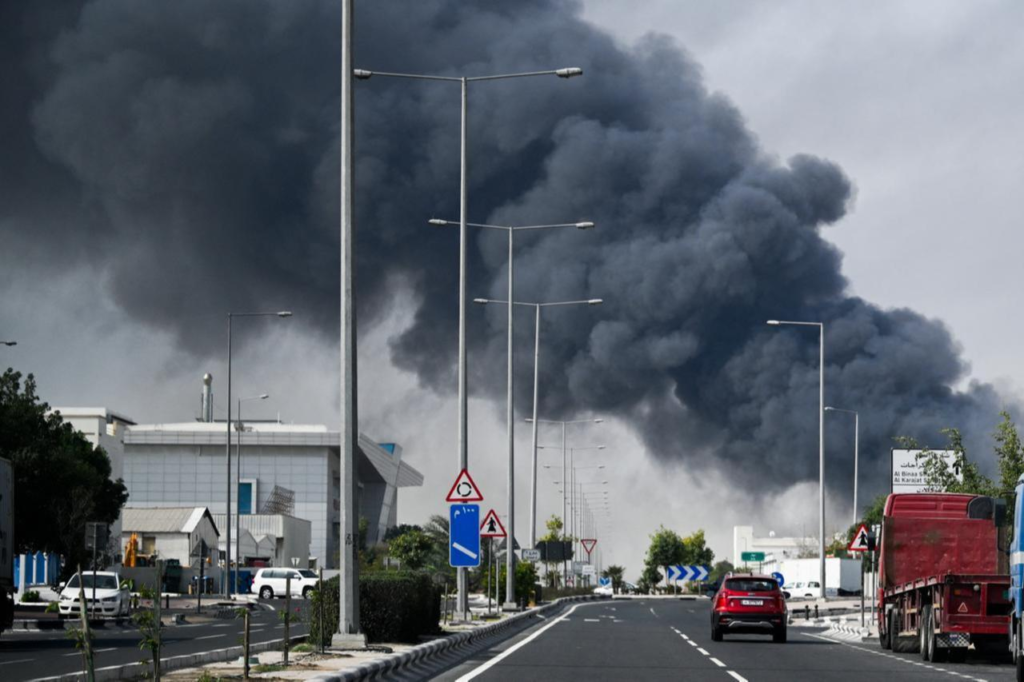
As Qatar assesses the damage and works to restore full operations at its LNG facility, the focus will also be on preventing future attacks and strengthening diplomatic ties with regional and global partners.
The expulsion of Iranian attaches marks a turning point in Qatar-Iran relations and could have long-term implications for regional dynamics. Whether this leads to further escalation or opens the door for renewed dialogue remains to be seen.
For now, the incident serves as a stark reminder of the fragile balance in the Middle East and the far-reaching consequences of geopolitical conflicts on global energy security.
Read Also : 1 Elegant Moment: Nita Ambani Shines in Silk Saree While Receiving Humanitarian Award in Odisha