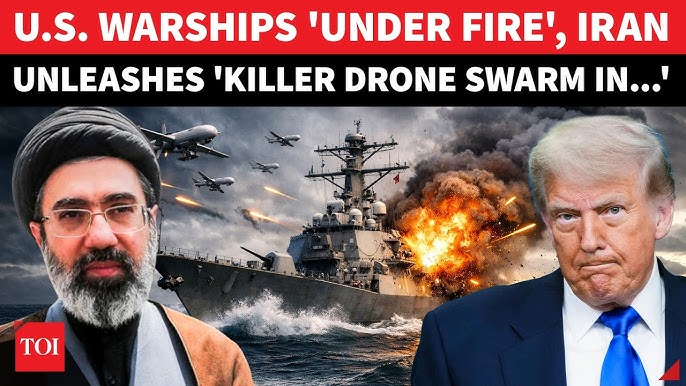
48-Hour SHOCKER: U.S. Retreats After Iran Missile Fury — Trump Calls OFF ‘Project Freedom’ in Hormuz
U.S. retreats after Iran’s missile escalation as Donald Trump calls off ‘Project Freedom’ in the Strait of Hormuz
In a dramatic escalation followed by an equally significant de-escalation, the United States has reportedly retreated after a barrage of Iranian missile activity in the region, prompting Donald Trump to call off the high-profile “Project Freedom” operation in the Strait of Hormuz.
The move marks a critical turning point in the ongoing tensions between the U.S. and Iran, raising questions about military strategy, geopolitical stability, and the future of global energy security.
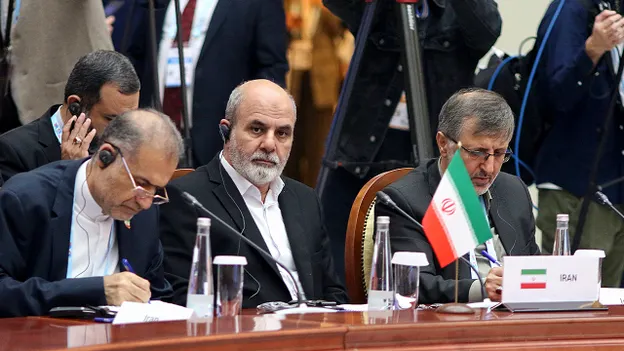
“Project Freedom” was reportedly a strategic U.S. military initiative aimed at ensuring free navigation through the Strait of Hormuz—one of the world’s most vital maritime routes for oil transportation.
- Safeguard international shipping lanes
- Prevent disruptions in global oil supply
- Counter perceived threats from Iran
- Demonstrate U.S. military presence in the region
The operation was seen as a bold move to assert control over a critical chokepoint through which nearly 20% of global oil trade passes.
“Project Freedom” was reportedly a strategic U.S. military initiative aimed at ensuring free navigation through the Strait of Hormuz—one of the world’s most vital maritime routes for oil transportation.
- Safeguard international shipping lanes
- Prevent disruptions in global oil supply
- Counter perceived threats from Iran
- Demonstrate U.S. military presence in the region
The operation was seen as a bold move to assert control over a critical chokepoint through which nearly 20% of global oil trade passes.
In a move that surprised many analysts, Donald Trump announced the suspension of “Project Freedom.”
1. Avoiding Escalation
Calling off the operation may have been a strategic decision to prevent further military confrontation.
2. Risk Assessment
The missile activity highlighted the risks associated with continuing the operation.
3. Global Pressure
International calls for de-escalation may have played a role.
4. Economic Considerations
Prolonged conflict could have severe economic consequences, particularly for global energy markets.
The Strait of Hormuz remains at the center of the crisis.
- Connects the Persian Gulf to the Arabian Sea
- Handles a significant portion of global oil shipments
- Critical for energy-dependent economies
Any disruption in this region can have immediate and far-reaching effects on global markets.
Interestingly, despite the high tension, oil prices have shown a relatively muted response.
- Prices remain stable or show limited fluctuation
- Traders adopt a cautious “wait and watch” approach
- Long-term risks remain a concern
This reflects a growing trend of markets becoming less reactive to short-term geopolitical events.
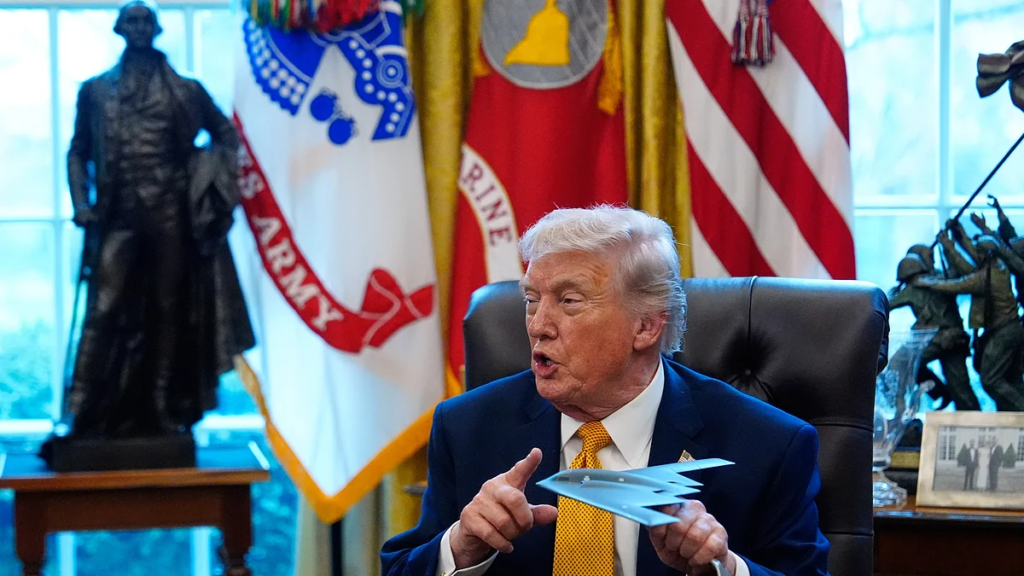
The U.S. retreat and cancellation of “Project Freedom” have significant geopolitical implications.
1. Shift in Power Dynamics
The move may be perceived as a strategic win for Iran.
2. Regional Stability Concerns
Tensions in the Middle East remain high, with the potential for further escalation.
3. International Relations
The decision could influence U.S. relationships with allies and partners.
For India, the developments in the Strait of Hormuz are of critical importance.
1. Energy Security
India relies heavily on oil imports passing through this route.
2. Economic Impact
Any disruption could lead to higher fuel prices and inflation.
3. Strategic Planning
India may need to diversify energy sources and strengthen reserves.
Experts believe the U.S. decision reflects a recalibration of military strategy.
- Direct confrontation carries high risks
- Asymmetric warfare capabilities of Iran are a significant factor
- Strategic withdrawal can be a calculated move
This highlights the complexity of modern geopolitical conflicts.
The decision has sparked mixed reactions globally.
- Avoids unnecessary conflict
- Reduces risk of large-scale war
- Perceived as a sign of weakness
- Raises questions about U.S. commitment
The situation remains fluid, with several possible scenarios:
1. Diplomatic Engagement
Renewed talks between the U.S. and Iran could lead to de-escalation.
2. Continued Tensions
The region may remain volatile without direct conflict.
3. Unexpected Escalation
Any new incident could reignite tensions.
The events surrounding “Project Freedom” reflect broader shifts in global politics.
- Increasing importance of regional powers
- Complex nature of modern warfare
- Growing influence of economic factors
Read Also : Dharavi Protest ERUPTS: 500 sq ft Home Demand Sparks 1 Massive Uprising Against Adani Project