Iran SHOCKER: President CONFIRMS Assassination of Intelligence Chief Esmail Khatib in DEADLY Strike — 3 Top Leaders Killed in 24 Hours
Iran’s president confirms the shocking assassination of Intelligence Minister Esmail Khatib, triggering major security concerns and escalating tensions across the Middle East
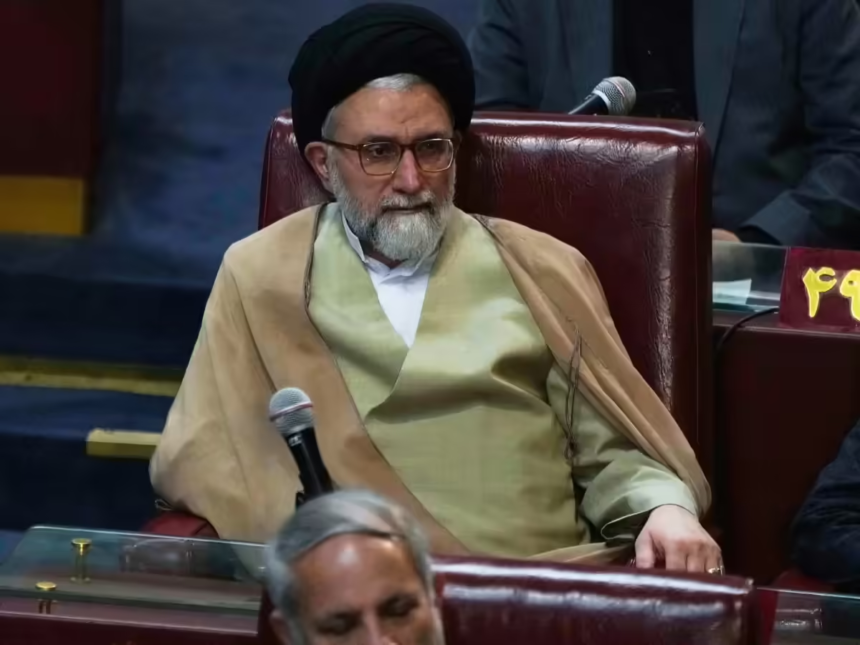
In a stunning and deeply consequential development, Iran’s president has officially confirmed the assassination of Intelligence Minister Esmail Khatib, sending shockwaves across the Middle East and raising serious concerns about the region’s already fragile security landscape. The high-profile killing of one of Iran’s most powerful intelligence figures marks a dramatic escalation in covert conflict and underscores the intensifying shadow war playing out across the region.
The confirmation from Iranian leadership has transformed what initially circulated as unverified reports into a major geopolitical flashpoint. According to official statements, Khatib was killed in what authorities described as a “targeted assassination,” though details surrounding the attack—including its location, method, and perpetrators—remain closely guarded.
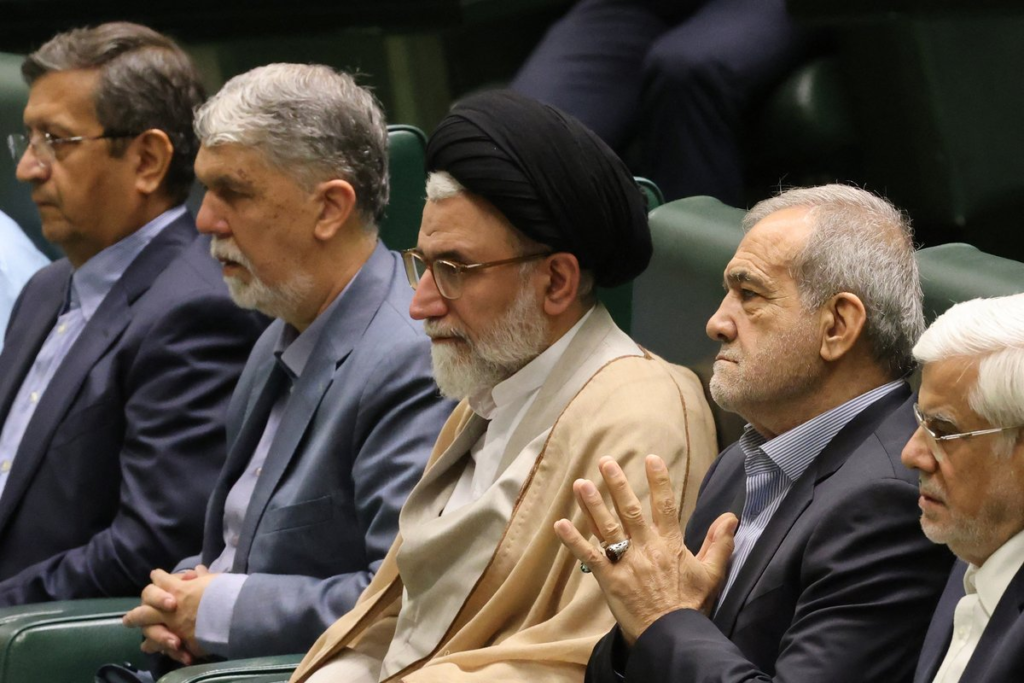
The announcement has prompted a nationwide response in Iran, with state media portraying Khatib as a key figure in safeguarding national security. His death is being framed as not only a loss to the intelligence community but also a direct attack on the Iranian state.
Esmail Khatib served as Iran’s Minister of Intelligence, a position that placed him at the center of the country’s internal and external security apparatus. Appointed during the presidency of Ebrahim Raisi, Khatib was responsible for overseeing intelligence operations, counter-espionage efforts, and national security strategy.
Known for his close ties to Iran’s clerical establishment and security institutions, Khatib played a crucial role in managing threats ranging from domestic dissent to foreign intelligence operations. His tenure was marked by heightened tensions with Western nations and regional adversaries, making him a high-value target in ongoing covert conflicts.
While Iranian authorities have not disclosed full details, early indications suggest that the assassination was carried out with precision, pointing toward a sophisticated operation. Speculation has quickly emerged regarding potential involvement by foreign intelligence agencies or regional rivals.
Analysts note that such a high-level assassination would likely require extensive planning, intelligence gathering, and operational capability—factors typically associated with state-sponsored actions. The lack of immediate claims of responsibility has only fueled further speculation.
The method of attack—whether via drone strike, explosive device, or other means—has not been officially confirmed. However, the targeted nature of the killing suggests it was designed to send a strong strategic message.
The assassination of a senior intelligence official like Khatib is expected to have far-reaching consequences. Iran has already vowed a “decisive response,” raising fears of retaliatory actions that could further destabilize the region.
Tensions between Iran and its adversaries, including Israel and certain Gulf states, have been simmering for years, often manifesting through proxy conflicts and covert operations. This latest incident could push those tensions into a more overt and dangerous phase.
Neighboring countries are closely monitoring the situation, with many bracing for potential fallout. The possibility of escalation—whether through cyberattacks, proxy engagements, or direct military action—cannot be ruled out.
The international community has responded with concern, calling for restraint and urging all parties to avoid actions that could lead to broader conflict. Governments across Europe and Asia have emphasized the importance of maintaining stability in the Middle East, given its critical role in global energy supply and trade routes.
The United States has not officially commented on the specifics of the assassination but has reiterated its commitment to regional security. Meanwhile, diplomatic channels are reportedly being used to assess the situation and prevent further escalation.
Security experts warn that the assassination could trigger a cycle of retaliation, particularly if Iran identifies and targets those it holds responsible.
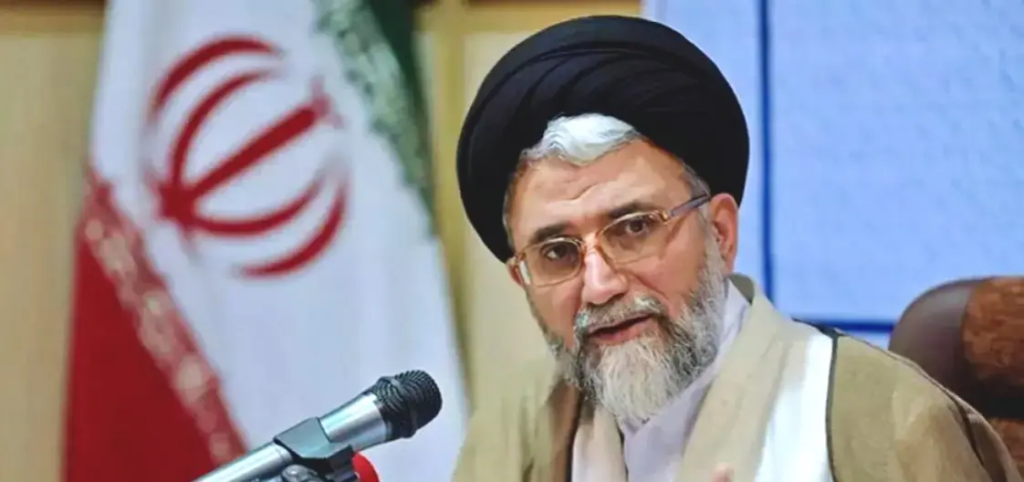
The loss of Esmail Khatib is expected to create a temporary disruption within Iran’s intelligence framework. As a central figure in coordinating operations, his absence may lead to a period of reorganization and recalibration.
However, analysts believe that Iran’s intelligence apparatus is robust enough to absorb the shock and continue functioning effectively. A successor is likely to be appointed swiftly, ensuring continuity in leadership.
That said, the psychological impact of the assassination—both within the intelligence community and among political leaders—could influence decision-making in the coming weeks.
The assassination of Khatib fits into a broader pattern of high-profile targeted killings in the region. In recent years, several senior military and intelligence figures have been assassinated under mysterious circumstances, often attributed to covert operations.
These incidents highlight the increasingly blurred lines between war and peace in modern geopolitics, where shadow conflicts play out beyond traditional battlefields.
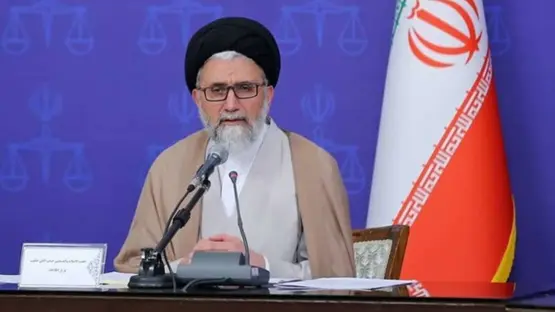
The use of targeted assassinations as a strategic tool raises complex questions about international law, sovereignty, and the ethics of covert warfare.
Inside Iran, the assassination has sparked a mix of outrage, grief, and calls for justice. Public demonstrations and official ceremonies are expected to honor Khatib’s legacy, while political leaders have vowed to hold those responsible accountable.
State media coverage has emphasized national unity and resilience, framing the incident as part of a broader struggle against external دشمن (enemies). The government is likely to use the event to reinforce its narrative of resistance and vigilance.
As investigations continue, the focus will be on identifying the perpetrators and determining the appropriate response. Iran’s next moves will be closely watched, as any retaliatory action could have significant implications for regional and global stability.
Diplomatic efforts may intensify in the coming days, with international actors seeking to de-escalate tensions and prevent further violence. However, the deeply entrenched rivalries and mistrust in the region make such efforts challenging.
Read Also : 7 Iranian Attaches EXPELLED After DEVASTATING LNG Facility Strike Escalates Tensions