JD Vance Postpones Switzerland Visit—5 Big Updates on High-Stakes Iran Peace Talks
JD Vance has postponed his Switzerland visit amid high-stakes Iran talks, signaling the importance of ongoing diplomatic efforts
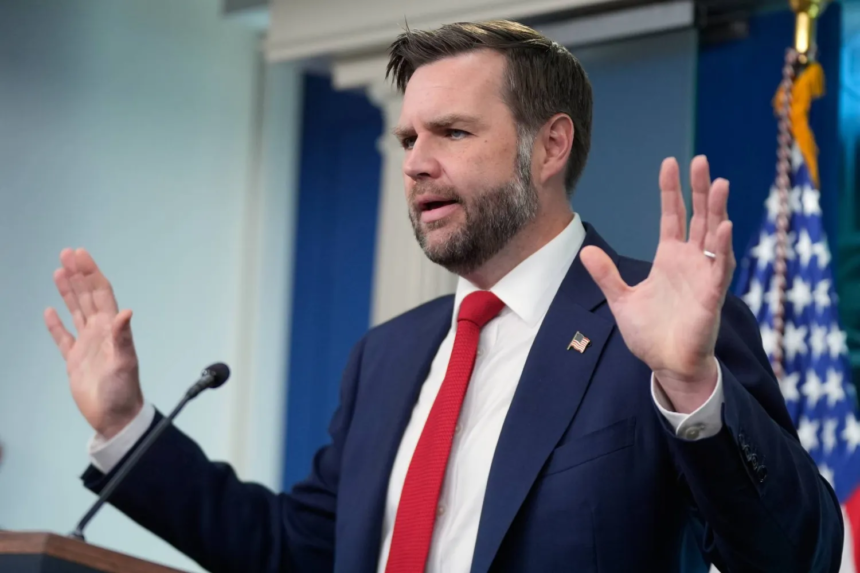
In a significant diplomatic development, US Vice President JD Vance has postponed his planned visit to Switzerland, where he was expected to lead a new round of high-level negotiations with Iranian officials. The White House said the trip was delayed due to logistical challenges, but the postponement comes amid growing uncertainty surrounding the next phase of US-Iran talks and renewed tensions in the Middle East.
The decision has attracted global attention because the Switzerland meeting was expected to be the first major technical negotiation following a recently announced peace framework aimed at reducing regional tensions. While US officials insist the talks have only been delayed and not canceled permanently, the development has raised fresh questions about the future of diplomacy between Washington and Tehran.
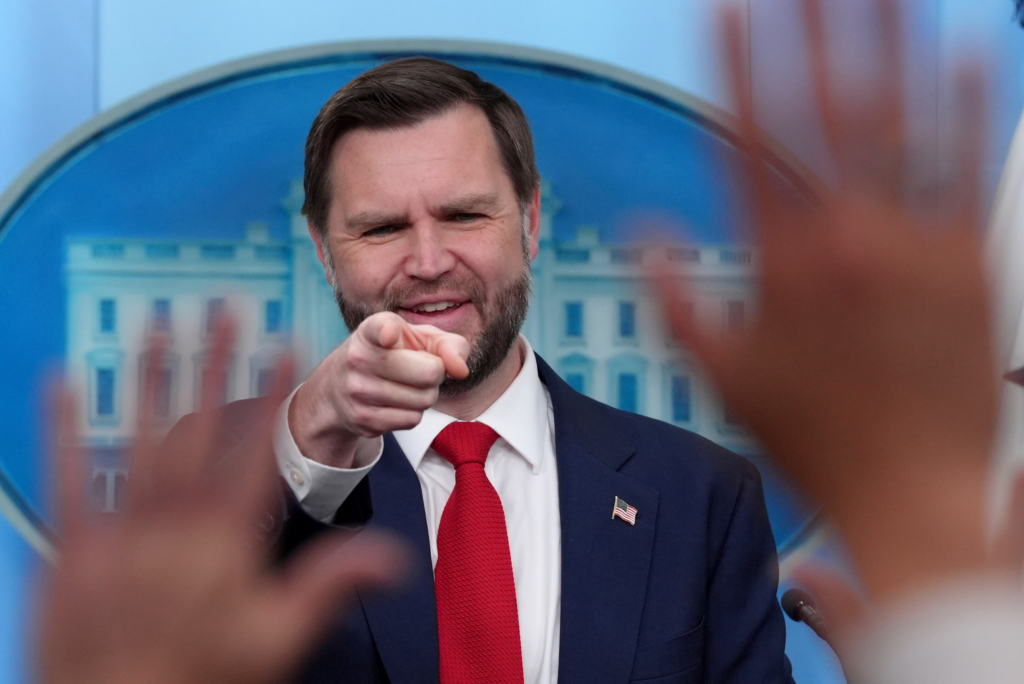
According to the White House, Vice President JD Vance postponed his departure because the logistics surrounding the negotiations had not yet been finalized.
Officials stated that the US delegation remains prepared to travel at the earliest opportunity once arrangements are complete. The administration emphasized that diplomatic negotiations involving multiple countries are often subject to last-minute scheduling changes, security assessments, and travel coordination.
During a recent press briefing, Vance acknowledged that Iranian officials could face travel-related difficulties, making it difficult to finalize the meeting schedule.
The White House reiterated that the postponement should not be interpreted as an abandonment of diplomatic efforts.
The Switzerland meeting was expected to serve as the next phase of discussions following a recently announced interim peace framework between the United States and Iran.
However, uncertainty surrounding Iran’s participation has complicated planning.
Reports indicate that Iranian officials had not fully confirmed their attendance, while concerns over regional developments continued to influence diplomatic calculations.
Analysts believe the delay reflects the complexity of negotiations rather than a collapse in diplomatic engagement.
The postponement also comes against the backdrop of continuing instability across parts of the Middle East.
Recent security developments, including military activity involving Israel and Lebanon, have complicated diplomatic efforts and created additional uncertainty for negotiators.
Regional instability often affects the timing of international negotiations because governments must carefully assess security conditions before senior officials travel abroad.
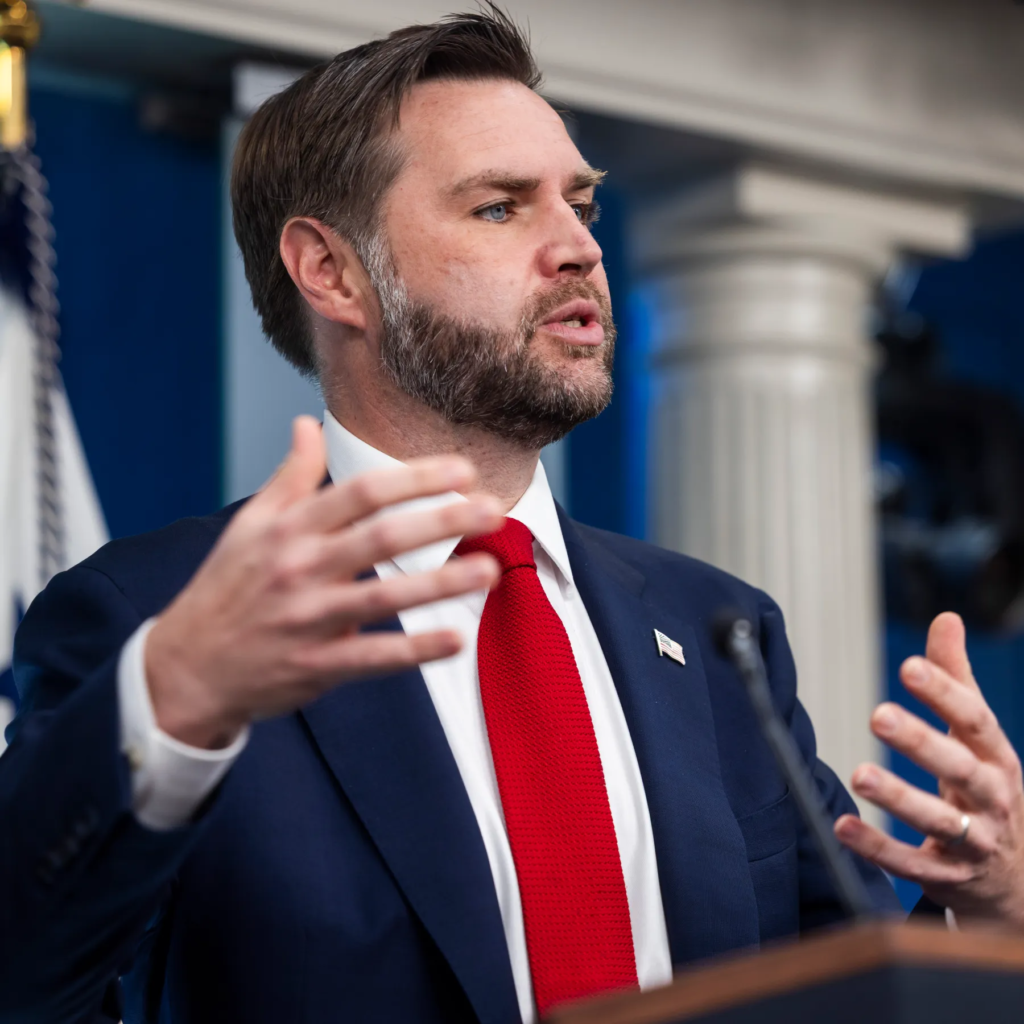
Diplomats continue monitoring developments closely as they attempt to maintain momentum toward broader negotiations.
Switzerland has long served as a neutral venue for sensitive international negotiations.
Its reputation for diplomatic neutrality and secure facilities makes it an attractive location for discussions involving countries with limited direct engagement.
The planned talks were expected to focus on technical issues that could eventually support broader agreements covering regional security, sanctions, and nuclear-related matters.
Although the meeting has been postponed, Switzerland is expected to remain a potential host for future negotiations.
Officials familiar with the discussions indicated that several major topics were expected to dominate the negotiations.
Among them were:
- Nuclear verification and compliance.
- Regional security arrangements.
- Implementation of ceasefire commitments.
- Maritime security.
- Economic measures linked to future agreements.
- Confidence-building mechanisms.
While many details remain confidential, diplomats hope technical discussions can lay the groundwork for more comprehensive political agreements.
Vice President JD Vance has become one of the administration’s leading figures on Iran policy.
His increasing involvement reflects the White House’s effort to elevate negotiations through senior-level engagement.
Political observers note that Vance has played an increasingly visible role in discussions involving regional security and diplomatic outreach.
The planned Switzerland visit would have marked another important milestone in his growing foreign policy portfolio.
Although delayed, officials suggest he remains closely involved in shaping the negotiations.
Financial markets continue monitoring developments surrounding the US-Iran negotiations.
Diplomatic progress could influence:
- Global oil prices.
- Shipping routes.
- Energy security.
- International investment.
- Supply chains.
- Regional economic stability.
Any progress toward reducing geopolitical tensions may improve market confidence, while prolonged uncertainty could contribute to continued volatility.
Energy analysts remain particularly focused on developments affecting the Strait of Hormuz because of its importance to global oil transportation.
The postponement has generated discussion among lawmakers and foreign policy experts.
Some analysts argue that delays are common during complex diplomatic negotiations and should not necessarily be viewed as signs of failure.
Others believe the postponement highlights the fragile nature of current diplomatic efforts.
Political leaders in several countries continue encouraging both Washington and Tehran to maintain dialogue despite logistical setbacks.
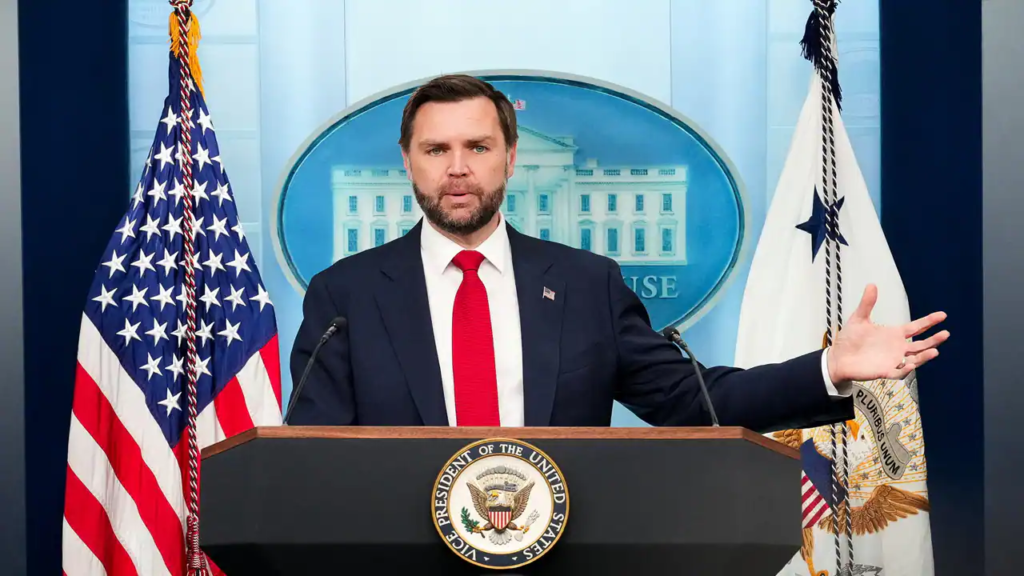
Many observers emphasize that successful diplomacy often requires patience and flexibility.
Several obstacles remain before substantive negotiations can move forward.
These include:
- Finalizing travel arrangements.
- Confirming participation by all delegations.
- Addressing regional security concerns.
- Building mutual confidence.
- Establishing implementation mechanisms.
- Maintaining political support on both sides.
Experts note that negotiations involving longstanding geopolitical disputes rarely proceed according to fixed schedules.
Unexpected delays are often part of the diplomatic process.
The White House has indicated that the US delegation remains ready to depart as soon as practical arrangements are finalized.
No revised timetable has yet been announced for the Switzerland meeting.
Diplomatic contacts between participating governments are expected to continue in the coming days.
Officials remain optimistic that technical discussions can begin once logistical issues are resolved.
The outcome of these negotiations could influence broader efforts aimed at reducing tensions across the Middle East.
JD Vance’s postponed trip to Switzerland illustrates both the opportunities and challenges facing contemporary diplomacy.
While the delay has temporarily slowed the next phase of US-Iran negotiations, officials continue to express confidence that talks will proceed once logistical and scheduling issues are resolved.
The coming days will be closely watched by governments, investors, and international observers seeking signs of progress toward a more stable regional environment.
Whether the negotiations ultimately produce lasting agreements will depend on continued diplomatic engagement, mutual cooperation, and the willingness of all parties to address longstanding areas of disagreement.
For now, the postponement represents a temporary pause rather than the end of the diplomatic process, leaving the door open for future negotiations that could shape the next chapter in US-Iran relations.
Read Also : BREAKING Delhi High Court Upholds Telegram Ban—5 Key Reasons Behind the Landmark Verdict