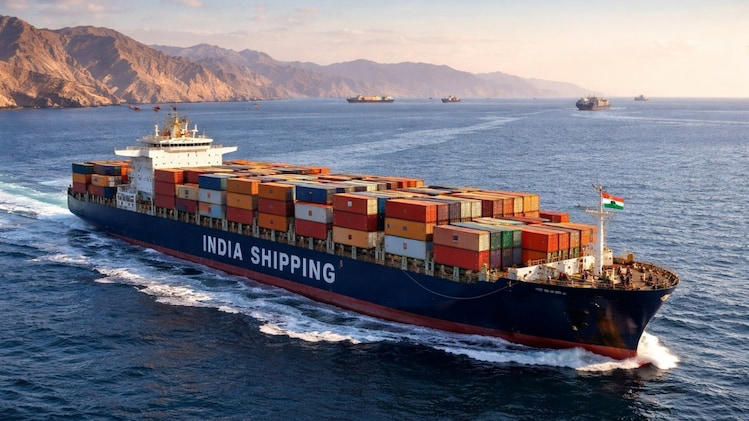
Hormuz SHOCK: 2.2 Million Tonnes of Indian Energy Assets STRANDED in Strait — Global Supply Crisis Deepens
A massive 2.2 million tonnes of Indian energy assets remain stranded in the Strait of Hormuz, raising alarm over global supply disruptions and escalating geopolitical tensions
A major maritime and energy crisis is unfolding in one of the world’s most critical chokepoints, the Strait of Hormuz, where approximately 2.2 million tonnes of Indian energy assets have reportedly become stranded. This alarming development has intensified concerns over global energy security, disrupted supply chains, and heightened geopolitical tensions in an already volatile region.
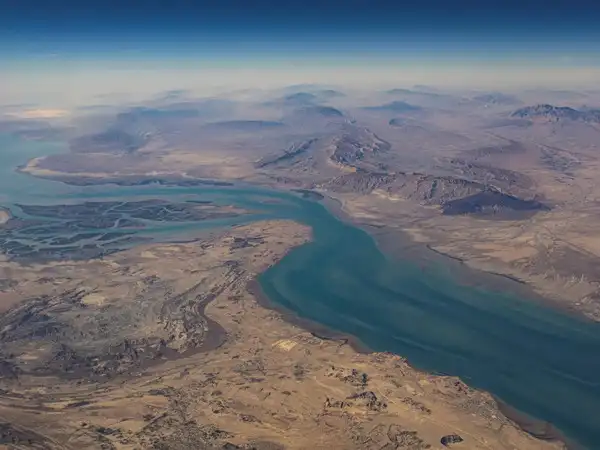
The Strait of Hormuz is one of the most important maritime corridors in the world, facilitating the transit of nearly a fifth of global oil and a significant portion of liquefied natural gas (LNG). Any disruption in this narrow passage—bordered by Iran on one side and Oman and the United Arab Emirates on the other—has immediate and far-reaching consequences.
The current bottleneck has effectively halted the movement of Indian oil tankers and LNG carriers, leaving millions of tonnes of critical energy supplies stuck in transit. These shipments are vital for India’s energy consumption, which relies heavily on imports to meet domestic demand.
The situation appears to be the result of escalating tensions in the Gulf region, particularly involving Iran and Western-aligned nations. Increased military activity, heightened security checks, and fears of potential attacks have slowed maritime traffic through the strait.
Reports suggest that some vessels have been delayed due to enhanced inspections, while others are awaiting clearance amid concerns over safety. Insurance costs for shipping through the region have surged, further complicating logistics for energy companies.
Additionally, the presence of naval forces and the risk of confrontation have created an environment of uncertainty, prompting some shipping operators to pause or reroute their journeys.
India, one of the world’s largest energy consumers, is particularly vulnerable to disruptions in the Strait of Hormuz. A significant portion of its crude oil and LNG imports pass through this corridor, making the current bottleneck a matter of national concern.
The stranded 2.2 million tonnes of energy assets include crude oil shipments, refined petroleum products, and LNG cargoes destined for Indian ports. Delays in their arrival could lead to supply shortages, increased fuel prices, and pressure on the country’s strategic reserves.
Government officials are reportedly monitoring the situation closely and exploring contingency plans, including sourcing supplies from alternative routes or tapping into emergency reserves.
The implications of the Hormuz bottleneck extend far beyond India. Global energy markets have already begun reacting to the news, with oil and gas prices showing signs of volatility.
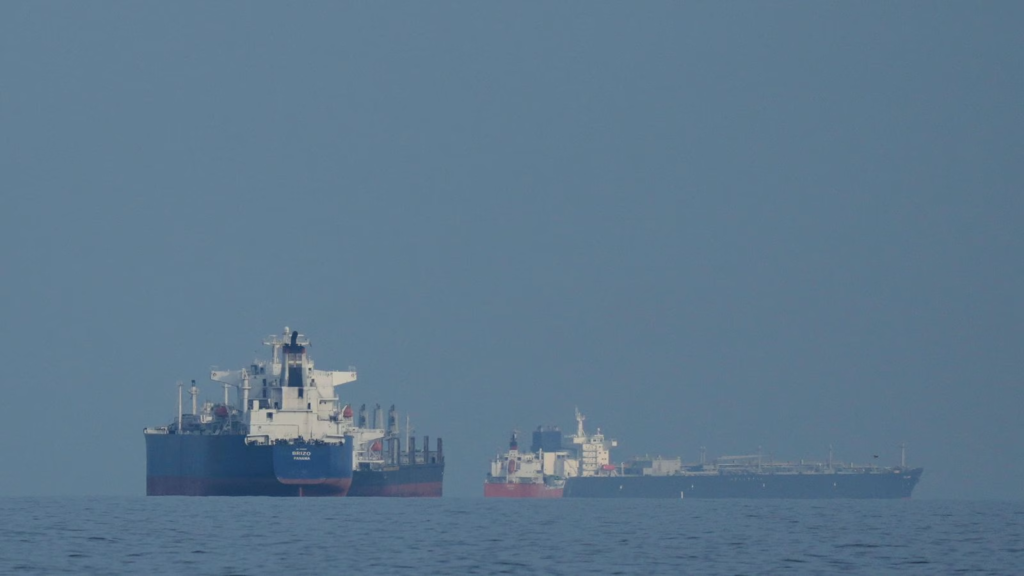
Traders and analysts are closely watching developments in the region, as prolonged disruption could lead to a tightening of supply and a spike in prices. Countries in Europe and Asia, which depend on Gulf energy exports, are particularly at risk.
Shipping delays also have a cascading effect on global trade, affecting not just energy but other goods transported through the region. The increased cost of insurance and freight is likely to be passed on to consumers, contributing to inflationary pressures worldwide.
The bottleneck in the Strait of Hormuz is deeply intertwined with geopolitical tensions. The region has long been a flashpoint, with rivalries involving Iran, the United States, and Gulf Arab states shaping its dynamics.
Recent incidents, including attacks on energy infrastructure and naval confrontations, have heightened the risk of escalation. The presence of military assets from multiple countries adds to the complexity, increasing the likelihood of miscalculation.
India, while maintaining diplomatic relations with all major players, finds itself navigating a delicate balance. Ensuring the safe passage of its energy shipments without becoming entangled in regional conflicts is a key challenge.
The maritime industry is facing unprecedented pressure as a result of the Hormuz crisis. Shipping companies are grappling with delays, rising costs, and safety concerns.
Insurance premiums for vessels transiting the region have reportedly surged, reflecting the heightened risk. Some insurers are requiring additional security measures, further increasing operational costs.
Crew safety is another major concern, with reports of heightened anxiety among seafarers navigating the strait. Companies are being forced to weigh the risks against the economic necessity of maintaining supply chains.
Efforts are underway at both national and international levels to address the crisis. Diplomatic channels are being utilized to de-escalate tensions and ensure the safe passage of commercial vessels.
India may explore alternative supply routes, such as sourcing energy from regions outside the Gulf or utilizing overland pipelines where feasible. However, these options come with their own limitations and costs.
Strategic petroleum reserves could provide a temporary buffer, but they are not a long-term solution. Increasing domestic production and diversifying energy sources are likely to gain renewed attention in the wake of this crisis.
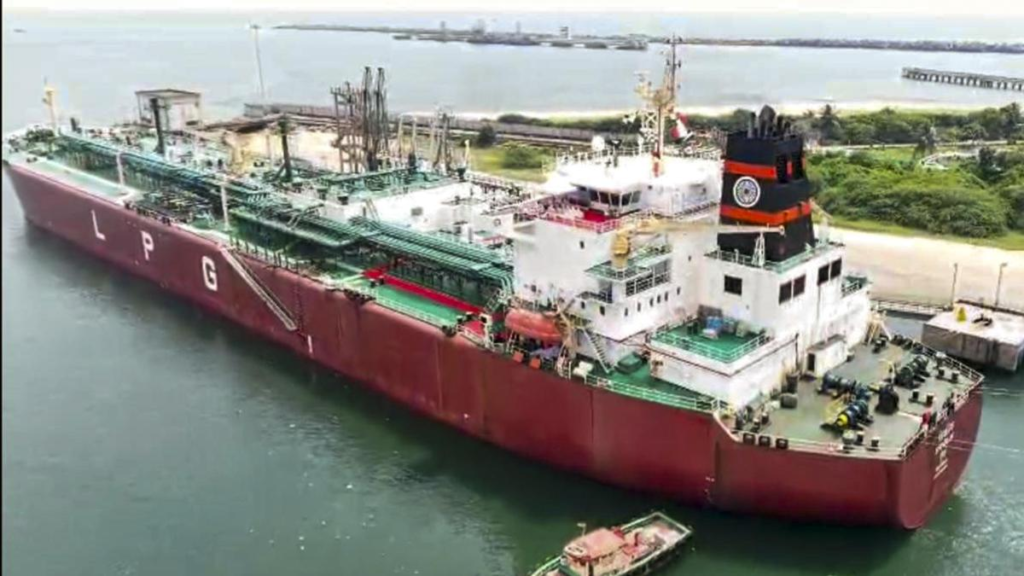
The Strait of Hormuz has been at the center of several past crises, each underscoring its strategic importance. From tanker wars to recent drone attacks, the strait has repeatedly demonstrated its vulnerability to geopolitical tensions.
These incidents have highlighted the need for robust international mechanisms to ensure the security of critical maritime routes. The current situation serves as yet another reminder of the interconnected nature of global energy systems.
The trajectory of the Hormuz bottleneck crisis will depend largely on geopolitical developments in the region. A de-escalation of tensions could restore normalcy, while further confrontation could exacerbate the situation.
For India, the immediate priority is to secure the release and safe transit of its stranded energy assets. In the longer term, the crisis may prompt a reevaluation of energy strategies and supply chain resilience.
Global stakeholders will be watching closely, as the outcome of this crisis has the potential to reshape energy markets and geopolitical alignments.