Mumbai Upgrade: Western Railway Replaces 100-Year-Old Kandivali Bridge in Major Infra Push
Western Railway replaces the 100+ year-old Victorian-era Kandivali bridge in Mumbai, boosting safety, connectivity, and modern infrastructure as the city accelerates its development
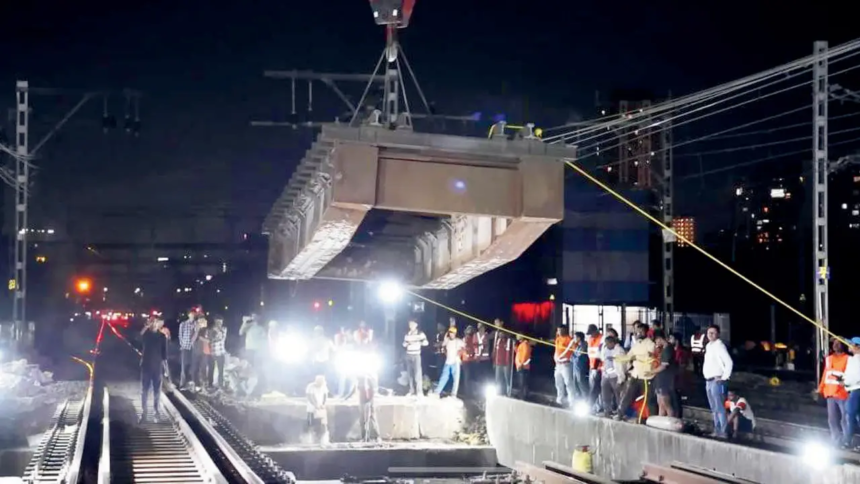
Mumbai, India’s financial capital, continues its rapid transformation with a major infrastructure upgrade as Western Railway replaces the century-old Kandivali bridge. The historic structure, believed to date back over 100 years to the Victorian era, has now made way for a modern, safer, and more efficient bridge, reflecting the city’s push toward world-class infrastructure.
This development is not just about replacing an aging bridge—it symbolizes Mumbai’s evolution, where heritage structures are being upgraded to meet the demands of a fast-growing urban population.
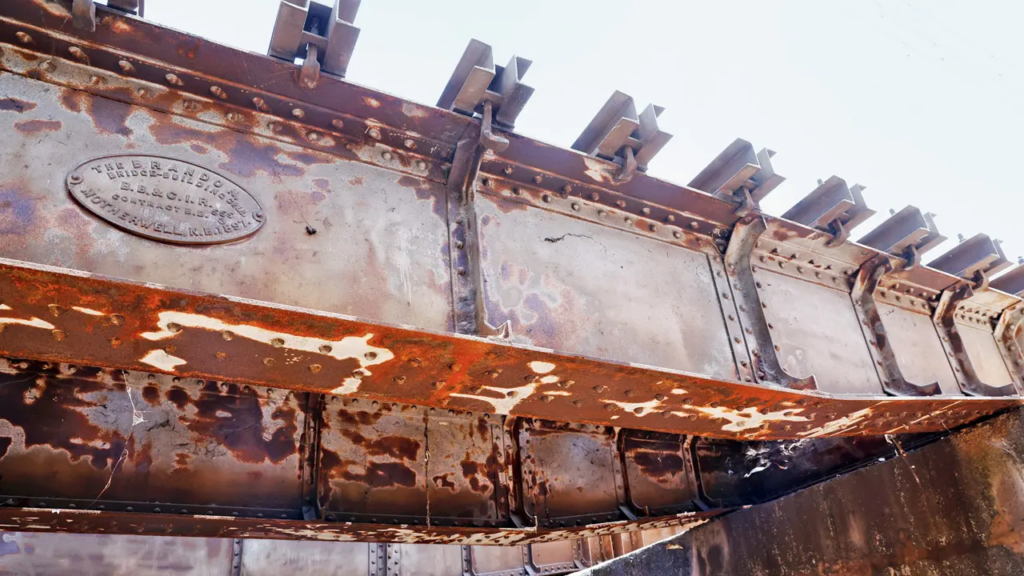
The old Kandivali bridge had stood as a testament to engineering from the colonial period, serving generations of commuters. Built during the British era, the structure had become increasingly outdated and inadequate to handle the rising traffic and modern railway requirements.
Over the years, concerns about safety, congestion, and structural limitations had grown. Authorities had identified the need to replace the bridge to ensure smoother operations and reduce risks associated with aging infrastructure.
With its replacement, Mumbai bids farewell to a piece of its colonial past while embracing a future defined by modern engineering.
The decision to rebuild the Kandivali bridge was driven by several key factors:
- Safety Concerns: The old bridge had exceeded its intended lifespan, raising concerns about structural integrity.
- Increased Traffic Load: Mumbai’s population and commuter numbers have grown significantly, putting pressure on existing infrastructure.
- Modern Standards: The bridge no longer met current engineering and safety standards required for railway operations.
- Bottlenecks: The narrow design of the old structure often caused congestion, affecting both rail and road traffic.
By replacing the bridge, Western Railway aims to enhance safety, efficiency, and overall commuter experience.
The newly constructed bridge is designed with modern technology and materials, ensuring durability and improved functionality. Key features include:
- Wider Structure: The bridge offers increased width, allowing better traffic flow and reducing congestion.
- Enhanced Load Capacity: Built to handle higher loads, it supports increased train frequency and heavier traffic.
- Improved Safety Measures: Advanced engineering ensures greater stability and reduced risk of accidents.
- Better Connectivity: The bridge improves access between different parts of Kandivali, easing daily commutes.
This upgrade aligns with broader efforts to modernize Mumbai’s transport infrastructure and improve urban mobility.
For the millions of daily commuters who rely on Mumbai’s suburban railway network, the new bridge is expected to bring significant benefits.
The removal of bottlenecks will lead to smoother train operations, reducing delays and improving punctuality. Road users will also experience less congestion, making travel more efficient.
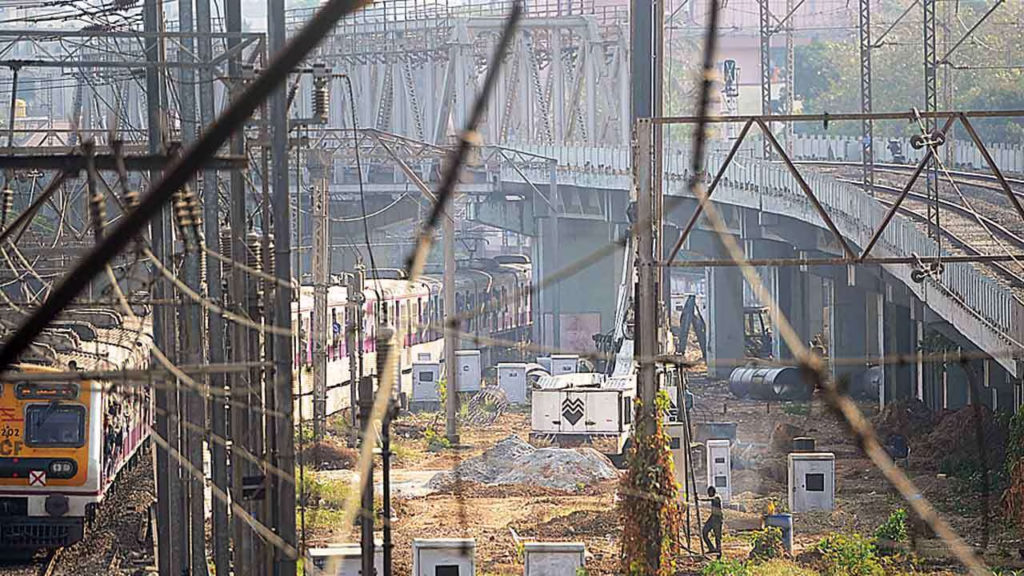
Kandivali, a key suburb on the western line, sees heavy passenger movement every day. The upgraded bridge will play a crucial role in managing this demand and enhancing overall connectivity.
Mumbai has been undergoing a major infrastructure overhaul in recent years, with projects such as metro expansions, coastal roads, and railway upgrades transforming the city’s landscape.
The replacement of the Kandivali bridge is part of this larger vision to create a more efficient and sustainable urban environment.
Authorities are focusing on upgrading old structures, integrating modern technology, and ensuring that infrastructure keeps pace with the city’s growth.
While the replacement of the Victorian-era bridge marks progress, it also raises questions about preserving historical structures.
Urban planners often face the challenge of balancing heritage conservation with the need for modernization. In cases where safety and functionality are at risk, redevelopment becomes necessary.
Efforts are being made in Mumbai to document and preserve the legacy of such structures, even as they are replaced with modern alternatives.
Infrastructure projects like the Kandivali bridge replacement have far-reaching economic and social impacts.
- Boost to Local Economy: Improved connectivity can enhance business activity and attract investment.
- Time Savings: Reduced travel time leads to increased productivity for commuters.
- Job Creation: Construction and maintenance activities generate employment opportunities.
- Improved Quality of Life: Better infrastructure contributes to overall urban development.
These benefits highlight the importance of continuous investment in infrastructure for a growing city like Mumbai.
Replacing a major bridge in a densely populated city is no easy task. Authorities had to carefully plan and execute the project to minimize disruption to daily life.
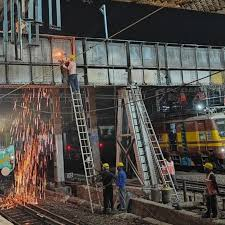
Temporary arrangements were made to manage traffic and ensure that railway operations continued smoothly. Construction teams worked under tight deadlines to complete the project efficiently.
Despite these challenges, the successful completion of the bridge reflects effective planning and coordination.
The Kandivali bridge project is part of a broader effort to modernize Mumbai’s railway network. Several other projects are underway to upgrade tracks, stations, and signaling systems.
The goal is to create a more reliable, efficient, and passenger-friendly railway system that can handle the city’s growing demands.
With continued investment and innovation, Mumbai’s transport infrastructure is set to become more robust and future-ready.
Modern infrastructure projects are increasingly focusing on sustainability. The new bridge incorporates materials and construction methods that aim to reduce environmental impact.
Efforts are also being made to integrate green practices, such as efficient resource utilization and waste management during construction.
As cities like Mumbai expand, sustainable development will play a crucial role in ensuring long-term growth.
The replacement of the Kandivali bridge has been largely welcomed by residents and commuters. Many see it as a necessary step toward improving infrastructure and ensuring safety.
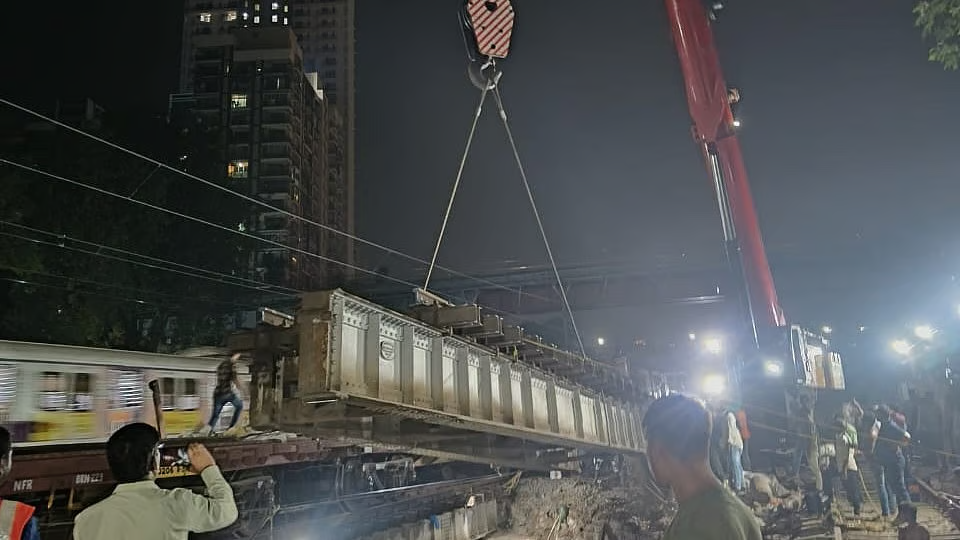
However, there is also a sense of nostalgia associated with the old bridge, which had been a part of the city’s landscape for over a century.
As the new bridge becomes fully operational, expectations are high for improved travel experiences and reduced congestion.
Read Also : Mumbai Heat Alert: Temperature Hits 36°C, IMD Forecasts Clear Sunny Skies