Temple Mix-Up in UP: 1 Woman Cop Mistakes Brother-Sister for Couple, Verifies Identity With Parents
A UP woman police officer mistakenly identified a brother and sister as a couple at a temple, verified their identity by calling parents, and sparked a social media debate
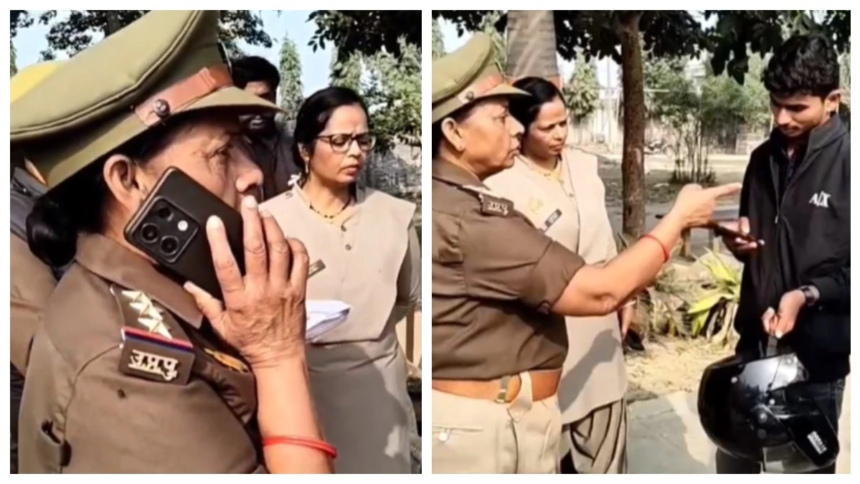
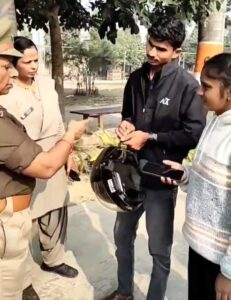
A video showing a woman cop questioning a group of girls, while also speaking to their families over the phone, has gone viral on social media, prompting curiosity and speculation about the incident.
In the clip, a boy can also be seen present with the girls, with the officer gathering details about him and their purpose of visit to the Sheetla Mata temple as part of the enquiry.
Upon verification, it was found that the video is from Mau district in Uttar Pradesh. The woman seen in the footage is Manju Singh, the in-charge of the Women’s Police Station in Mau.
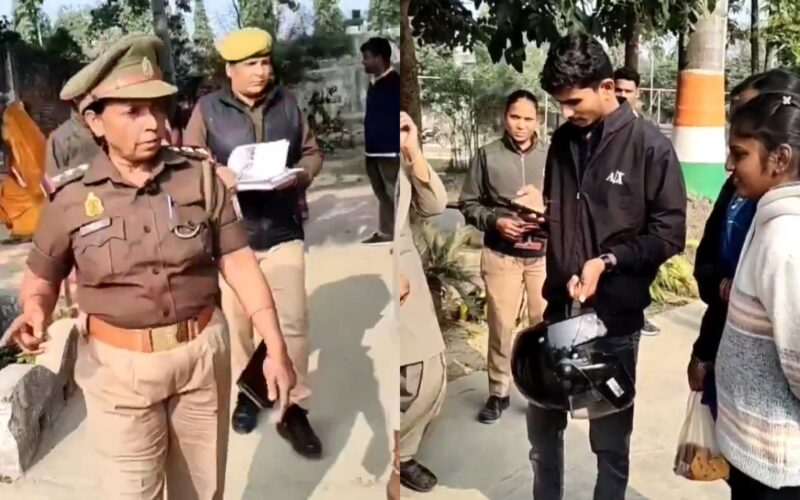
Later in the video, she can be heard telling the girls that they should not be roaming around alone, and always be accompanied by a guardian.
According to Manju Singh, she was present at the temple along with her team as part of the Mission Shakti campaign, which focuses on women’s safety and awareness. During the visit, she noticed a few minor girls roaming around the temple premises and decided to question them as a precautionary measure. The boy accompanying them was also asked about his identity and relationship with the girls.
During the questioning, one of the girls informed the inspector that the boy with her was her brother. To verify this, Manju Singh asked for the family’s contact number and spoke directly to them over the phone. The family confirmed that the boy was indeed her brother and that they were aware of the children visiting the temple.
The inspector further stated that all the individuals involved were residents of Ghazipur district. After speaking to their families and confirming the details, the police gathered the necessary information and ensured that there was no cause for concern.
Manju Singh also shared her concerns with the young girl’s parents, asking them to ensure the girls have a proper guardian with them at all times for their own safety, and are not left alone outside.
A routine visit to a temple in Uttar Pradesh recently turned into an unexpected and widely discussed incident after a woman police officer mistakenly identified a brother and sister as a couple and proceeded to verify their identity by contacting their parents. The episode, which unfolded in full public view, has since sparked debate on social media around policing practices, personal freedom, and assumptions made in public spaces.
According to accounts shared by those involved, the incident occurred at a popular local temple, where the brother and sister had arrived together for prayers. During routine checks, a woman police officer on duty reportedly questioned the pair, assuming they were a couple. The officer allegedly sought clarification about their relationship and, unsatisfied with verbal explanations, decided to confirm their identities by calling their parents.
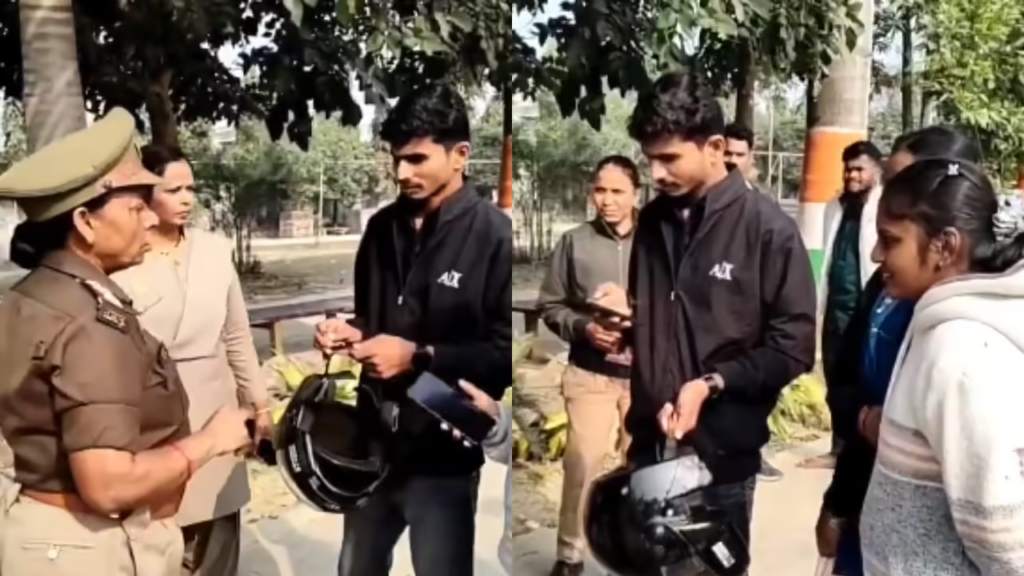
The siblings complied with the request, and their parents reportedly confirmed that the two were indeed brother and sister. Only after this verification were they allowed to proceed without further questioning.
What might have otherwise remained a minor misunderstanding gained traction due to its public nature and emotional impact. Bystanders reportedly witnessed the questioning, making the siblings uncomfortable. The incident later surfaced online, where users debated whether the officer’s actions were justified or excessive.
Many questioned whether assumptions based on appearances should form the basis of police intervention, especially in non-threatening situations such as a temple visit. Others argued that police officers often act under pressure to maintain decorum and order, particularly in sensitive public spaces.
The episode highlights a growing concern over over-policing and moral policing, particularly in public places. While law enforcement agencies are tasked with ensuring safety and order, critics argue that unnecessary questioning based on personal assumptions can violate individual dignity and privacy.
Legal experts point out that unless there is a clear violation of law, police personnel must exercise restraint. Verifying personal relationships without concrete cause may cross ethical boundaries, especially when individuals are not engaged in unlawful activity.
There has been no official disciplinary action reported in connection with the incident, but the matter has reignited discussions on police training and sensitivity. Civil rights advocates stress the need for better guidelines to prevent such incidents from recurring.
On social media, opinions remain divided. Some users defended the officer, citing security concerns and the responsibility of police to question suspicious situations. Others criticized the action, calling it intrusive and unnecessary.
The UP temple incident reflects a broader societal issue where men and women seen together in public are often subjected to scrutiny. Such assumptions can be particularly uncomfortable for families and relatives who simply wish to go about their daily lives.
Sociologists argue that these incidents reinforce outdated social norms and place undue pressure on both citizens and law enforcement officers. They stress the importance of balancing law enforcement duties with respect for personal freedom.
Experts believe incidents like this underline the need for regular sensitisation programmes for police personnel. Training focused on gender sensitivity, privacy rights, and situational assessment could help reduce misunderstandings and prevent public embarrassment.
Clear standard operating procedures on when and how identity verification should be conducted may also ensure that police action remains proportionate and justified.
Read Also : Mumbai Parking Rage Turns Violent: 1 Car Photo Sparks Attack on TV Actor Anuj Sachdeva; FIR Filed