Maharashtra Government Announces Slum Redevelopment and Monitoring Initiative in Mumbai (2026 Update)
Maharashtra Government launches a new slum redevelopment and monitoring initiative in Mumbai to improve housing, ensure transparency, and accelerate urban development in 2026
The Maharashtra Government has announced a major slum redevelopment and monitoring initiative in Mumbai, marking a significant step toward improving urban living standards and transforming the city’s infrastructure. Mumbai, known as India’s financial capital, has long struggled with the challenges of rapid urbanization, including the growth of informal settlements. This new initiative aims to address these challenges through a structured, transparent, and technology-driven approach.
With a focus on sustainable development, better housing, and efficient governance, the government’s plan is expected to benefit thousands of families living in slum areas. The initiative also aligns with broader urban development goals, ensuring that Mumbai continues to grow as a modern and inclusive metropolis.
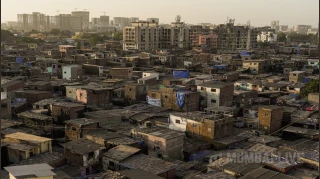
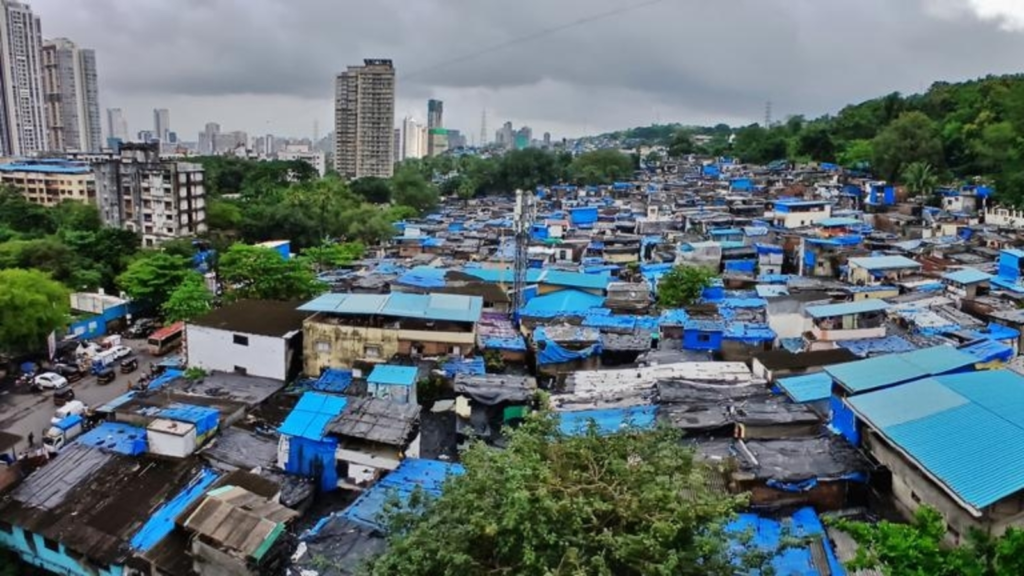
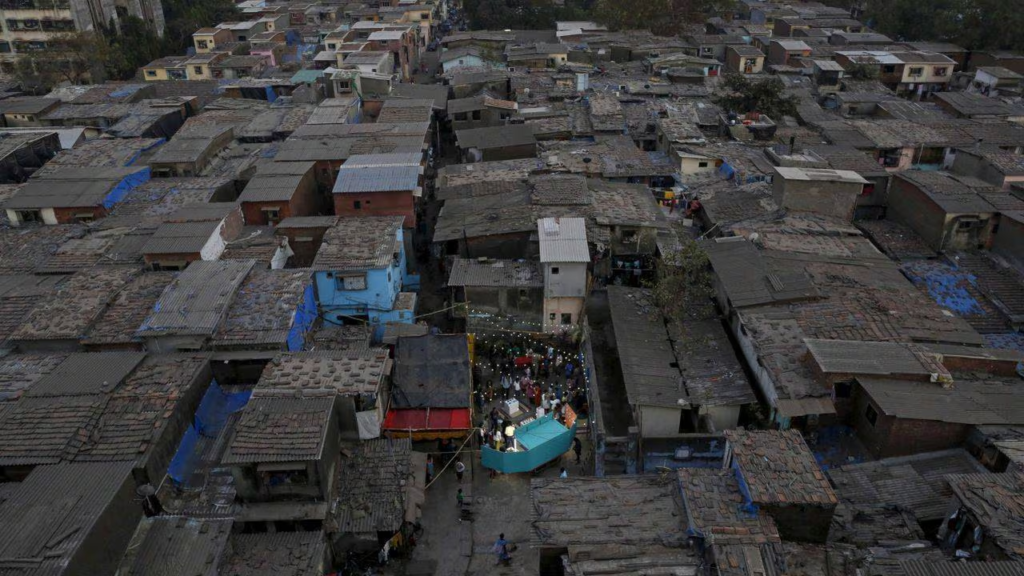
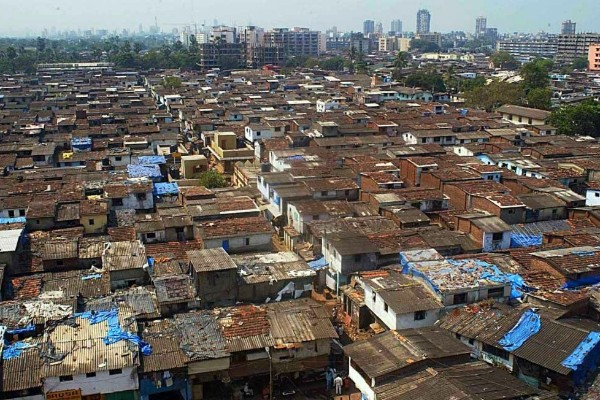
Mumbai is home to one of the largest slum populations in the world. Due to migration, population growth, and limited land availability, many residents have been living in overcrowded and underdeveloped areas for decades. Previous redevelopment efforts have seen mixed success due to delays, lack of transparency, and coordination issues among stakeholders.
Recognizing these challenges, the Maharashtra Government has introduced a new framework that combines policy reforms, digital monitoring, and public-private partnerships to ensure better execution of redevelopment projects.
The slum redevelopment and monitoring initiative has several key objectives:
- To provide safe and affordable housing for slum dwellers
- To improve access to essential services such as water, sanitation, and electricity
- To ensure transparency in redevelopment projects
- To accelerate project completion through strict timelines
- To promote sustainable and planned urban growth
By addressing both social and infrastructural issues, the initiative aims to create a balanced and inclusive urban environment.
3.1 Digital Monitoring System
One of the most important aspects of this initiative is the introduction of a digital monitoring system. This system will track the progress of redevelopment projects in real time, allowing authorities to identify delays and take corrective action quickly. It will also reduce the chances of corruption and mismanagement by maintaining accurate records.
3.2 Transparency and Public Access
The government plans to make project details accessible to the public. This includes information about developers, project timelines, approvals, and current status. Such transparency will help build trust among residents and ensure accountability.
3.3 Public-Private Partnership (PPP) Model
The initiative encourages collaboration between the government and private developers. Under the PPP model, private companies will play a key role in financing and executing redevelopment projects, while the government will provide regulatory support and oversight.
3.4 Time-Bound Implementation
To avoid delays that have affected previous projects, strict deadlines will be enforced. Developers will be required to complete projects within a specified timeframe, ensuring that residents are not left waiting indefinitely.
3.5 Resident-Centric Approach
The initiative places strong emphasis on protecting the rights of slum dwellers. Residents will be provided with proper rehabilitation, and efforts will be made to ensure minimal disruption during the redevelopment process.
4.1 Improved Living Conditions
The redevelopment of slum areas will provide residents with better housing, improved sanitation, and access to essential services. This will significantly enhance their quality of life.
4.2 Boost to Urban Infrastructure
Modern housing projects will contribute to better urban planning and infrastructure development in Mumbai. This includes improved roads, drainage systems, and public facilities.
4.3 Economic Growth and Employment
The initiative is expected to generate employment opportunities in construction, engineering, and related sectors. This will contribute to economic growth and support local businesses.
4.4 Efficient Land Utilization
Redevelopment projects will make better use of limited land resources in Mumbai, allowing for more organized and efficient urban expansion.
4.5 Increased Investment Opportunities
With improved transparency and structured policies, the initiative is likely to attract more private investment in the real estate and infrastructure sectors.
Despite its potential, the initiative may face several challenges:
- Land Ownership Issues – Disputes over land ownership can delay projects
- Financial Constraints – Funding large-scale redevelopment projects can be challenging
- Coordination Problems – Multiple stakeholders must work together efficiently
- Resistance from Residents – Some residents may be hesitant to relocate temporarily
- Regulatory Delays – Approval processes can slow down project implementation
Addressing these challenges will be crucial for the success of the initiative.
Technology plays a central role in this initiative. The digital monitoring system will include features such as:
- Real-time project tracking
- Online dashboards for authorities
- Public access portals for transparency
- Automated alerts for delays
These tools will help ensure that projects are completed on time and according to plan.
The long-term impact of this initiative could be transformative for Mumbai. By replacing slums with modern housing, the city can improve its global image and attract more investment. Better living conditions will also lead to improved health, education, and overall well-being for residents.
Additionally, the initiative supports sustainable urban development by promoting planned growth and efficient resource utilization.
Earlier slum redevelopment programs faced issues such as lack of transparency, slow progress, and limited accountability. The new initiative addresses these shortcomings by:
- Introducing digital monitoring
- Ensuring public access to information
- Enforcing strict timelines
- Encouraging private sector participation
These improvements make the current initiative more robust and effective.
The Maharashtra Government envisions a future where cities like Mumbai are inclusive, sustainable, and well-planned. This initiative is a step toward achieving that vision by addressing one of the most pressing urban challenges—slum housing.
By focusing on both infrastructure and social welfare, the government aims to create a balanced approach to urban development.