1 Nationwide Alert: Phones Beep Across India as Centre Tests Disaster Warning System
Phones across India beeped simultaneously as the Centre tested its Disaster Information Alert System
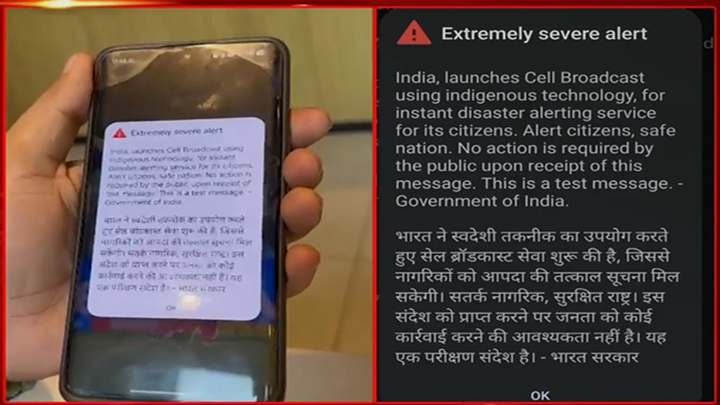
In a moment that caught millions off guard, mobile phones across India simultaneously emitted a loud beep accompanied by an emergency notification. The sudden alert sparked curiosity, concern, and even panic in some areas, as people rushed to understand what had just happened. Soon after, authorities clarified that the alert was part of a nationwide test of the government’s Disaster Information Alert System—a crucial initiative aimed at strengthening India’s emergency communication infrastructure.
This large-scale exercise marks a significant step toward improving how critical information is delivered to citizens during natural disasters, emergencies, or national crises. In a country as vast and diverse as India, where disasters such as floods, cyclones, earthquakes, and heatwaves are frequent, an efficient alert system can be the difference between safety and catastrophe.
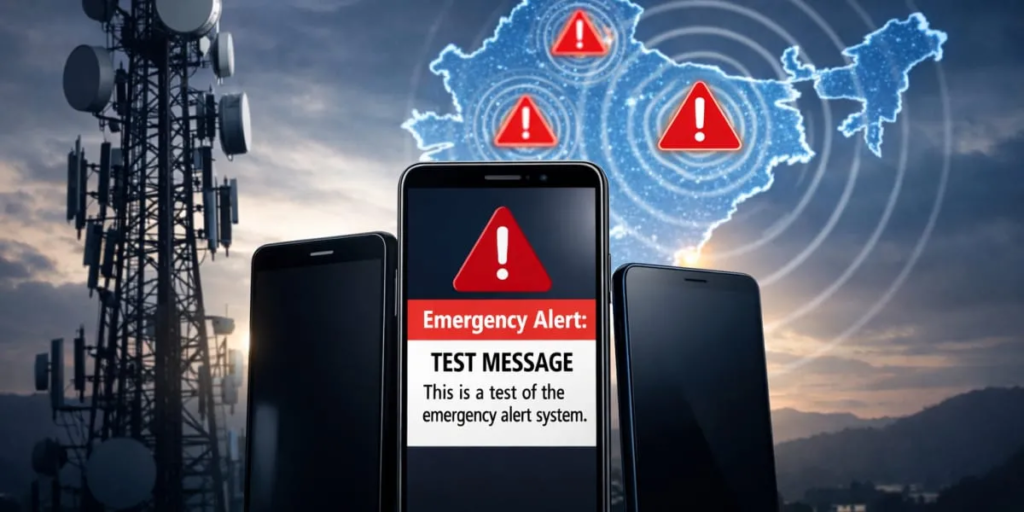
The alert that appeared on phones was not an actual emergency warning but a test message sent by the government to evaluate the effectiveness of its disaster communication network. The message typically included a clear indication that it was a “test alert,” along with instructions not to panic.
The test was conducted under the supervision of the National Disaster Management Authority (NDMA), in collaboration with the Department of Telecommunications (DoT) and mobile service providers. The goal was to assess how quickly and efficiently alerts could be delivered across different regions, devices, and network conditions.
India faces a wide range of natural and man-made disasters every year. From devastating cyclones along coastal regions to flash floods in urban centers and earthquakes in seismic zones, the need for a reliable and rapid alert system has never been greater.
Traditional methods of communication—such as television, radio, or sirens—often fall short in reaching people instantly, especially in remote or densely populated areas. With over a billion mobile users in the country, leveraging smartphones as a medium for emergency alerts offers unmatched reach and immediacy.
The test aimed to address several key questions:
- Can alerts be delivered simultaneously across all telecom networks?
- How quickly do users receive notifications?
- Are alerts displayed clearly across different devices and operating systems?
- How do people react to such alerts?
By analyzing the results, authorities can identify gaps and improve the system before deploying it during real emergencies.
The Disaster Information Alert System is built on cell broadcast technology, which allows messages to be sent to all mobile devices within a specific geographic area without needing individual phone numbers. Unlike SMS, which can be delayed due to network congestion, cell broadcast messages are delivered almost instantly.
Here’s how the system functions:
- Triggering the Alert: Authorities such as NDMA or state disaster management agencies initiate the alert.
- Message Transmission: The alert is sent through telecom operators to mobile towers.
- Broadcast to Devices: Mobile towers broadcast the message to all connected devices in the target area.
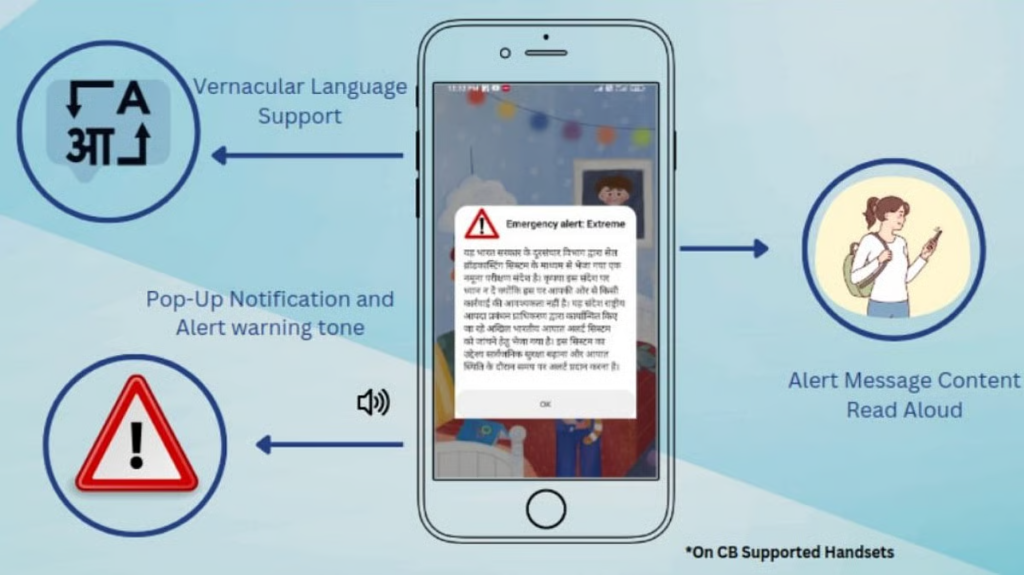
- User Notification: Phones emit a loud beep and display the alert message prominently on the screen.
This system ensures that even if networks are overloaded during a crisis, the alert still reaches people quickly.
As expected, the sudden alert triggered mixed reactions across the country. Social media platforms were flooded with posts from users sharing screenshots and videos of the notification.
Some people initially feared it was a real emergency, while others were curious about the unusual tone and message format. In cities like Mumbai, Delhi, Bengaluru, and Chennai, the alert was widely reported, with many users appreciating the government’s proactive approach.
However, the test also highlighted the need for better public awareness. Several users admitted they were unaware of such systems and were unsure how to respond. This underscores the importance of educating citizens about emergency alerts and their significance.

Early warning systems are a cornerstone of effective disaster management. Timely alerts can:
- Save lives by enabling quick evacuation
- Reduce panic through clear instructions
- Minimize damage by allowing preventive measures
- Improve coordination among emergency services
Countries like the United States and Japan have long relied on similar systems, such as Wireless Emergency Alerts (WEA) and J-Alert, respectively. India’s move to implement a nationwide alert system brings it in line with global best practices.
While the test was largely successful, it also revealed several challenges that need to be addressed:
1. Public Awareness
Many users were unaware that such alerts could be sent, leading to confusion. Regular awareness campaigns are essential.
2. Language Barriers
India’s linguistic diversity means alerts must be delivered in multiple languages to ensure comprehension.
3. Device Compatibility
Older phones or devices with certain settings may not display alerts correctly.
4. Network Coverage
Remote and rural areas with weak connectivity may still face delays or missed alerts.
5. False Alarm Concerns
Frequent test alerts without proper communication could lead to people ignoring future warnings.
Authorities are expected to refine the system based on feedback and technical analysis from this test.
Understanding how to respond to emergency alerts is crucial. Here are some simple guidelines:
- Read the Message Carefully: Determine whether it is a test or a real emergency.
- Do Not Panic: Stay calm and follow instructions.
- Share Information Responsibly: Avoid spreading rumors or misinformation.
- Stay Updated: Follow official sources for further updates.
- Prepare Accordingly: If it’s a real alert, take necessary precautions immediately.
The successful testing of the Disaster Information Alert System marks a significant milestone in India’s journey toward becoming a more disaster-resilient nation. As climate change increases the frequency and intensity of natural disasters, the need for robust early warning systems becomes even more critical.
Future plans may include:
- Integration with weather forecasting systems
- Real-time alerts for earthquakes and tsunamis
- Location-specific warnings for urban flooding
- Enhanced coordination with state authorities
With continuous improvements and public cooperation, this system has the potential to save countless lives and reduce the impact of disasters across the country.
Read Also : LPG Price Shock 2026: Commercial Cylinders Hiked by ₹1,000+ — Check 10 Major Cities’ Latest Rates Today