Delhi Weather Chaos: 7 Shocking Impacts as Thunderstorms & Heavy Rain Disrupt Flights Amid IMD Alert
Thunderstorms and heavy rain lash Delhi, disrupting air travel across the region. IMD issues alert as flights face delays and cancellations
A sudden spell of intense thunderstorms and heavy rainfall has brought large parts of Delhi and the surrounding National Capital Region (NCR) to a standstill. The abrupt weather shift not only provided temporary relief from rising temperatures but also caused widespread disruption, particularly affecting air travel and daily commuting.
With the India Meteorological Department (IMD) issuing alerts for continued unstable weather conditions, authorities and residents are on high alert as the capital grapples with the impact of this unexpected storm system.
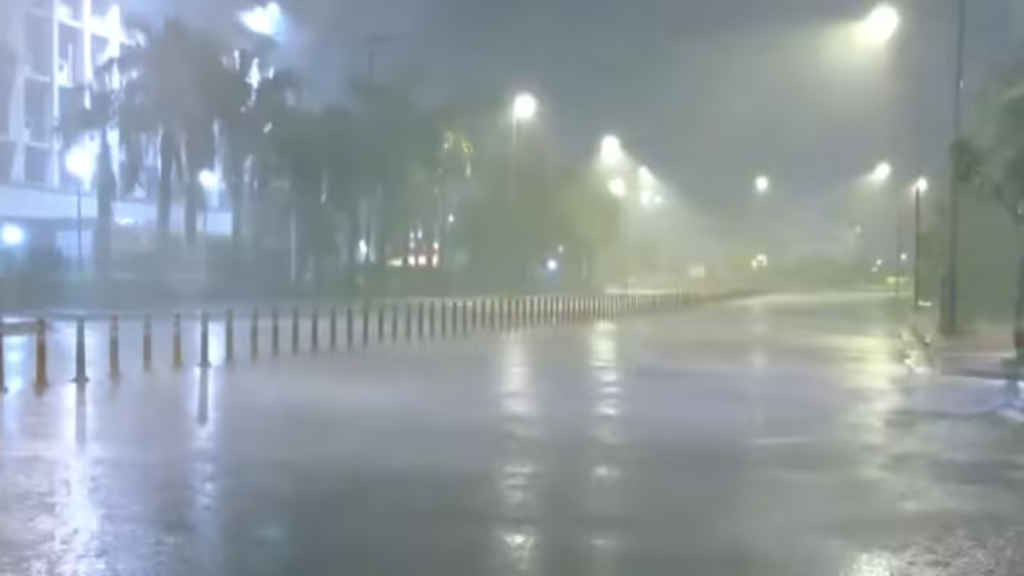
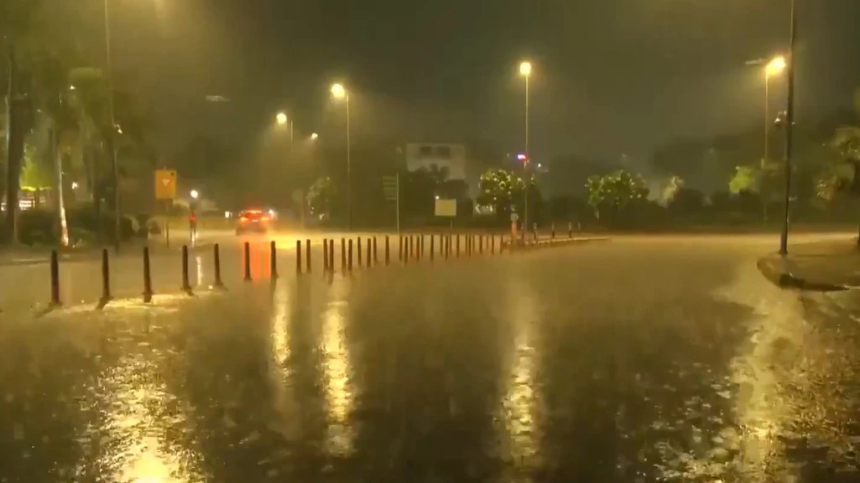
Delhi’s weather took a dramatic turn as dark clouds gathered rapidly, followed by strong winds, lightning, and heavy rainfall. Within minutes, visibility dropped significantly, and several parts of the city experienced waterlogging.
Residents reported:
- Sudden gusty winds uprooting trees
- Reduced visibility due to dust and rain
- Traffic congestion across major roads
- Power outages in certain areas
The sudden nature of the storm caught many off guard, especially commuters returning home during peak hours.
The India Meteorological Department had earlier warned of unstable weather conditions, predicting thunderstorms accompanied by lightning and moderate to heavy rainfall.
- Thunderstorms with gusty winds expected
- Heavy rainfall in isolated areas
- Possibility of lightning strikes
- Continued weather instability over the next 24–48 hours
Authorities have urged residents to stay indoors during severe weather and avoid unnecessary travel.
One of the most significant impacts of the storm has been on air travel. Flights operating to and from Indira Gandhi International Airport were delayed, diverted, or temporarily suspended due to poor visibility and unsafe landing conditions.
- Several flights delayed due to low visibility
- Incoming flights diverted to nearby airports
- Temporary suspension of operations during peak storm activity
- Passengers stranded at terminals
Airlines issued advisories urging passengers to check flight status before heading to the airport.
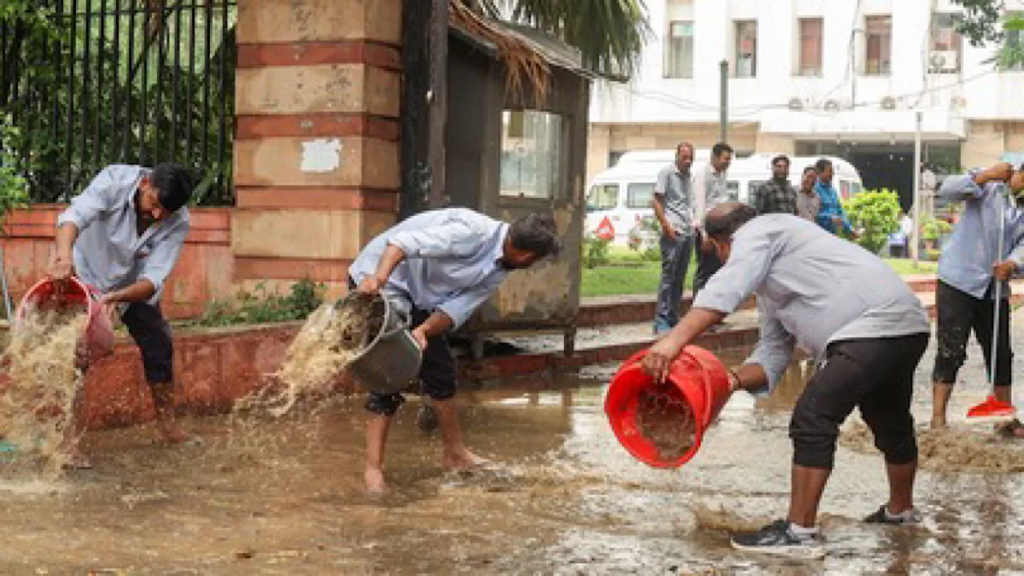
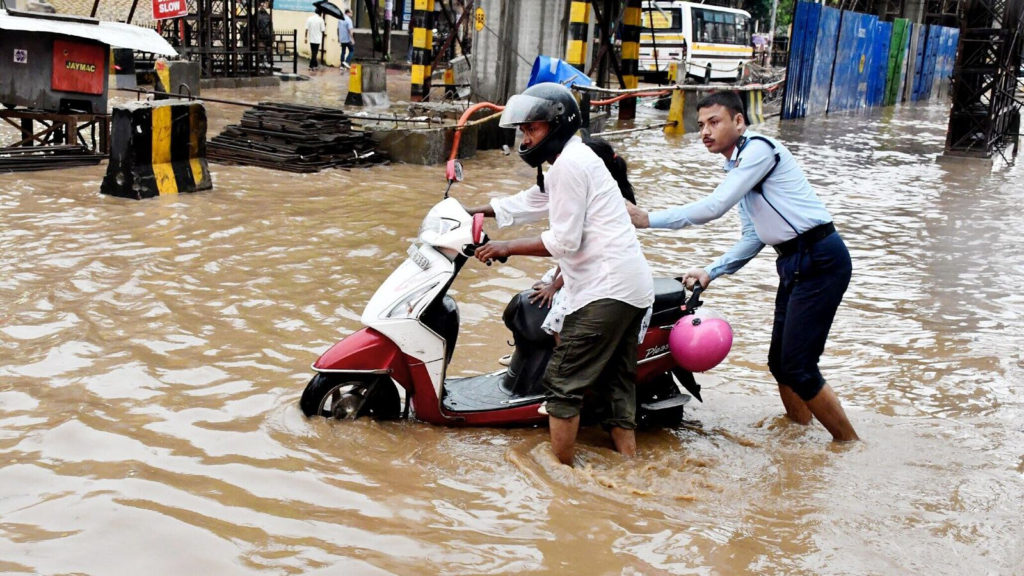
Heavy rainfall led to severe waterlogging in multiple parts of Delhi, affecting traffic movement and causing long delays.
- Central Delhi
- South Delhi
- Major arterial roads and intersections
Commuters faced:
- Slow-moving traffic
- Vehicle breakdowns in waterlogged areas
- Difficulty navigating flooded streets
The situation was further worsened by fallen trees and debris blocking roads.
The storm also exposed vulnerabilities in urban infrastructure. Strong winds and lightning caused power disruptions in several neighborhoods.
- Power outages due to damaged lines
- Disruption in public transport services
- Delays in emergency response due to blocked roads
Authorities worked to restore services, but the scale of disruption highlighted the need for improved infrastructure resilience.
While the thunderstorms brought much-needed relief from the scorching heat, the accompanying disruptions overshadowed the benefits.
- Noticeable drop in temperature
- Improved air quality due to rain
- Temporary relief from heatwave conditions
However, the sudden weather change also posed challenges for residents unprepared for the storm.
The storm affected daily life in multiple ways:
1. Commuters Stranded
Many people were stuck in traffic or at transit points due to delays.
2. School and Office Disruptions
Some institutions reported early closures or reduced attendance.
3. Business Interruptions
Retail and commercial activities slowed down due to weather conditions.
Authorities, including municipal bodies and disaster response teams, were deployed to manage the situation.
- Clearing waterlogged areas
- Removing fallen trees and debris
- Restoring power supply
- Managing traffic flow
Despite these efforts, the scale of the storm posed significant challenges.
The India Meteorological Department and local authorities issued several safety guidelines:
- Stay indoors during thunderstorms
- Avoid open areas and tall structures
- Keep electronic devices unplugged
- Follow official advisories
- Do not take shelter under trees
- Avoid driving through flooded roads
- Do not ignore weather warnings
Experts point to changing climate patterns as a reason for the increasing frequency of extreme weather events.
- Rising global temperatures
- Urban heat island effect
- Changing monsoon patterns
- Increased atmospheric instability
Cities like Delhi are particularly vulnerable due to high population density and rapid urbanization.
The recent storm highlights the need for long-term planning and infrastructure improvements.
1. Urban Drainage Systems
Improving drainage to prevent waterlogging.
2. Disaster Preparedness
Enhancing emergency response mechanisms.
3. Infrastructure Resilience
Strengthening power and transport systems.
4. Public Awareness
Educating citizens about safety measures.
Losses for airlines due to delays and cancellations Reduced productivity due to commuting issues Impact on small businesses and daily wage earners
The India Meteorological Department has indicated that similar weather conditions may persist in the short term.
Residents are advised to:
- Stay updated with weather forecasts
- Plan travel accordingly
- Take necessary precautions