26-Year Milestone: Israeli Army Captures Strategic Castle in Deepest Lebanon Incursion Since 2000
Israel’s military has captured a strategic castle in Lebanon during its deepest cross-border incursion in 26 years, marking a significant escalation in regional tensions and raising concerns over wider conflict in the Middle East
In a significant military development that has intensified concerns about regional stability, the Israeli army has reportedly captured a strategic castle in southern Lebanon during what analysts describe as the deepest Israeli military incursion into Lebanese territory in 26 years. The operation marks a major escalation in cross-border tensions and highlights the increasingly volatile security situation along the Israel-Lebanon frontier.
The capture of the historic and strategically located fortress has attracted international attention, with military experts warning that the move could have far-reaching implications for security dynamics in the Middle East. The development comes amid heightened tensions between Israel and armed groups operating in southern Lebanon, particularly Hezbollah, which has been involved in frequent exchanges of fire with Israeli forces over the past several months.
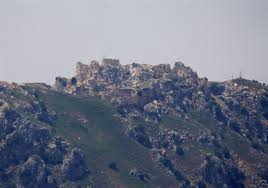
Military analysts believe the castle occupies a highly advantageous geographical position, overlooking key transportation routes and surrounding terrain. Such elevated positions have historically served as valuable observation and defensive points, making them strategically significant during military operations.
The castle’s location reportedly provides extensive visibility over surrounding areas, allowing military forces to monitor movement and potential threats across a wide radius. Control of such a position can offer tactical advantages, including enhanced surveillance capabilities and greater operational flexibility.
Experts note that the capture of elevated terrain often plays a crucial role in military planning because it allows forces to establish observation posts, coordinate troop movements, and monitor enemy activity more effectively. As a result, the castle’s seizure is being viewed as more than a symbolic victory; it represents a potentially important military asset.
According to regional security observers, the operation represents Israel’s deepest military penetration into Lebanese territory since the Israeli withdrawal from southern Lebanon in 2000. That withdrawal ended nearly two decades of Israeli military presence in parts of the country and was widely regarded as a major turning point in regional politics.
The latest operation signals a significant shift in military activity along the border. Security experts suggest that the scale and depth of the incursion demonstrate Israel’s willingness to expand operations beyond traditional border zones in response to evolving security threats.
The move has sparked debate among political analysts regarding Israel’s broader strategic objectives. Some believe the operation aims to establish temporary control over key positions to prevent attacks, while others argue it could be part of a larger effort to reshape the security landscape along the northern border.
The Israel-Lebanon border has experienced recurring tensions for decades. In recent months, exchanges of artillery fire, drone attacks, and missile launches have increased concerns about the possibility of a wider conflict.
Both sides have accused each other of provoking hostilities. Israeli officials have repeatedly stated that military actions are necessary to protect civilian populations from security threats originating across the border. Meanwhile, Lebanese authorities and regional groups have criticized Israeli military operations, arguing that they violate Lebanese sovereignty.
The latest incursion has further complicated an already fragile situation. Security analysts warn that incidents involving strategic positions often carry symbolic and military significance, increasing the likelihood of retaliatory actions and further escalation.
Governments and international organizations have closely monitored developments following reports of the castle’s capture. Diplomatic observers say the situation has generated concern among countries seeking to prevent a broader regional conflict.
Several international leaders have called for restraint and urged all parties to avoid actions that could intensify hostilities. The United Nations and other diplomatic bodies continue to advocate for dialogue and adherence to existing ceasefire arrangements.
Foreign policy experts emphasize that stability along the Israel-Lebanon border is critical not only for the two countries involved but also for the wider Middle East. Any major escalation has the potential to impact regional security, trade routes, and international diplomatic efforts.
Beyond its military value, the captured castle reportedly holds historical and cultural significance. Many castles and fortifications across Lebanon date back centuries and have served as important landmarks reflecting the country’s rich and complex history.
Throughout history, strategic castles in the region have changed hands multiple times during various conflicts, often becoming symbols of military power and territorial control. Their elevated locations and robust construction made them ideal defensive structures in earlier eras.
Historians note that the modern military use of historical sites can create additional concerns regarding preservation and cultural heritage. International organizations often stress the importance of protecting historically significant structures during periods of conflict.
Military experts suggest the operation may influence future security calculations on both sides of the border. Control of strategic terrain can affect surveillance capabilities, troop deployments, and defensive planning.
The castle’s capture may also serve as a signal regarding Israel’s military readiness and operational reach. Analysts believe such actions are often intended to demonstrate strategic capabilities while achieving specific tactical objectives.
At the same time, experts caution that maintaining control over isolated strategic positions can present logistical challenges, particularly in contested areas where opposing forces remain active.
The coming weeks are expected to be critical in determining whether the operation remains limited in scope or becomes part of a broader military campaign.
The Middle East has witnessed several major conflicts involving Israel and Lebanon over the past decades. Each escalation has raised concerns about the possibility of wider regional involvement.
Current tensions are unfolding against a backdrop of ongoing instability in various parts of the region. As a result, international observers are paying close attention to developments that could alter existing security dynamics.
Regional analysts warn that actions involving strategic military positions often carry both practical and symbolic consequences. Such developments can influence public opinion, political decision-making, and military planning across multiple countries.
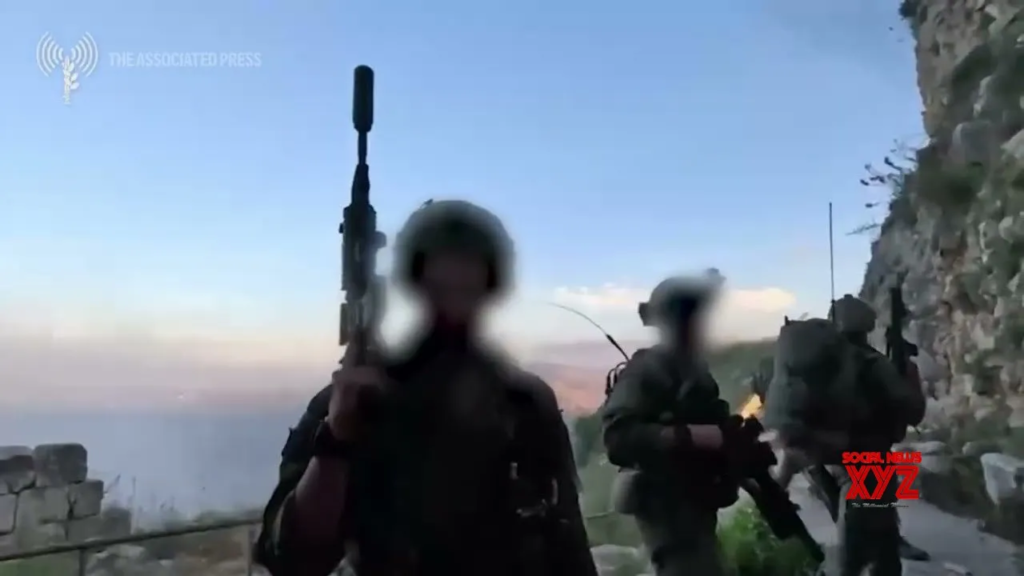
The latest incursion is therefore being viewed not only as a tactical military operation but also as a significant geopolitical event with potential regional ramifications.
The future trajectory of the situation remains uncertain. Much will depend on diplomatic efforts, military decisions, and developments on the ground in the coming days and weeks.
Security experts expect continued monitoring of the area by international organizations, regional governments, and military analysts. Attention will likely focus on whether the captured position remains under control, whether further operations occur, and how neighboring actors respond.
For now, the seizure of the strategic castle stands as one of the most significant military developments along the Israel-Lebanon border in more than two decades. As tensions continue to evolve, the international community will be watching closely for signs of either de-escalation or further confrontation.
The operation has already entered regional headlines as a landmark event, marking the deepest Israeli military incursion into Lebanon in 26 years and underscoring the fragile security environment that continues to shape Middle Eastern geopolitics.