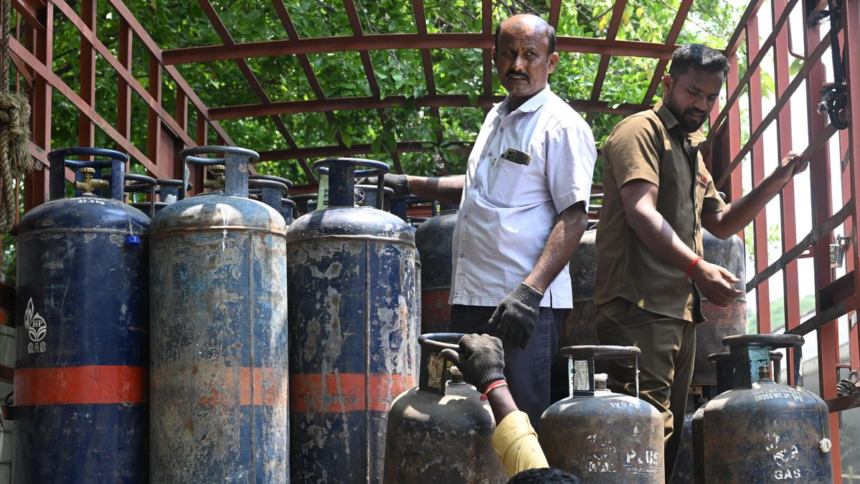
Fuel Price Shock 2026: Commercial LPG and 5-Kg Cylinders Get Costlier as International ATF Prices Fall
Commercial LPG and 5-kg free trade LPG cylinder prices have been increased in the latest fuel revision, while international aviation turbine fuel (ATF) prices have declined
In a significant development for India’s energy sector, authorities have announced an increase in the prices of commercial Liquefied Petroleum Gas (LPG) cylinders and 5-kg free trade LPG cylinders, while international Aviation Turbine Fuel (ATF) prices have registered a decline. The latest revision is expected to have varying impacts across industries, businesses, airlines, and consumers.
The move comes amid fluctuating global energy markets, changing crude oil prices, and evolving geopolitical conditions that continue to influence fuel pricing worldwide. While commercial establishments may face higher operational costs due to the LPG price hike, airlines could benefit from lower fuel expenses as international ATF prices ease.
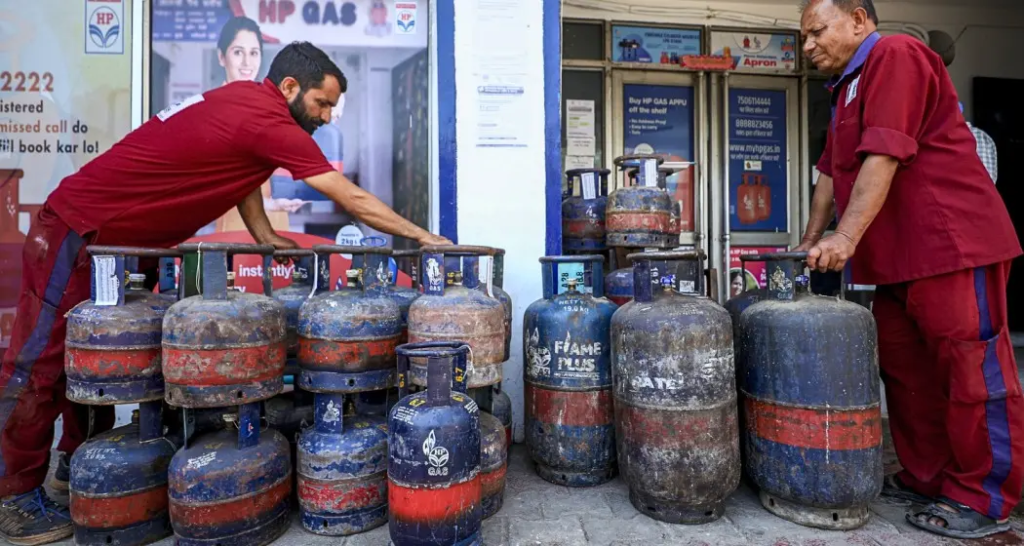
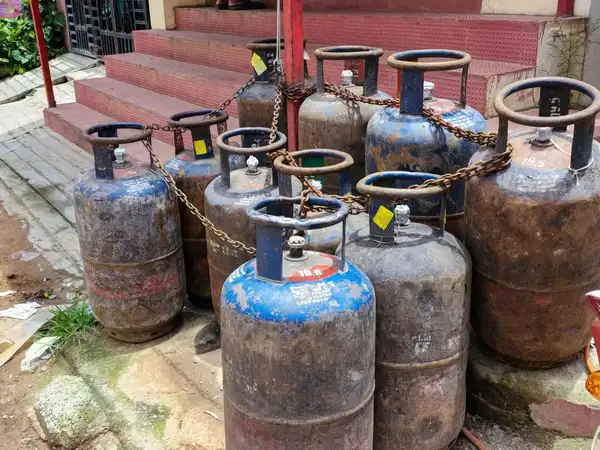
Commercial LPG cylinders are widely used by hotels, restaurants, catering services, food vendors, and small businesses. The latest increase in prices is likely to affect operational expenses for these sectors, many of which are already dealing with rising costs related to labor, transportation, and raw materials.
Industry experts note that commercial LPG price revisions are often influenced by international energy prices, import costs, currency exchange rates, and domestic supply-demand conditions. Unlike subsidized domestic LPG cylinders used by households, commercial cylinders are generally more exposed to market-linked pricing mechanisms.
Business owners across various sectors are expected to closely monitor the impact of the price hike on their operating budgets. Restaurants, bakeries, and food-processing units that rely heavily on LPG may need to absorb additional costs or adjust pricing strategies to maintain profitability.
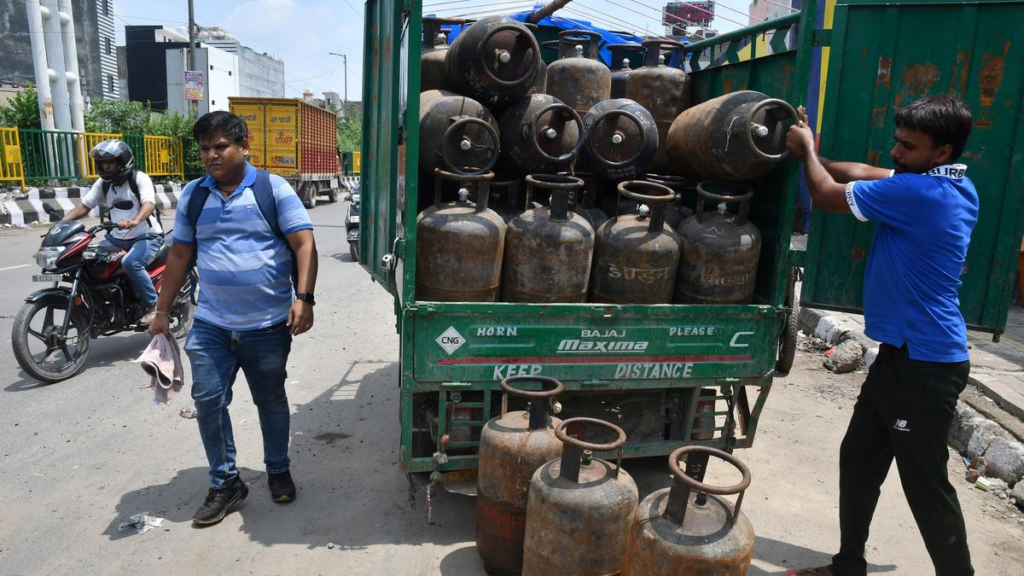
Alongside commercial LPG cylinders, the prices of 5-kg free trade LPG cylinders have also been increased. These smaller cylinders are commonly used by street vendors, mobile food operators, small shops, temporary establishments, and consumers seeking portable cooking solutions.
The hike is expected to affect a broad segment of users who depend on these cylinders for daily operations. Many small businesses prefer 5-kg cylinders due to their convenience, portability, and lower upfront cost compared to larger commercial cylinders.
Experts suggest that even moderate price increases can have a noticeable impact on micro-enterprises and informal businesses operating with limited margins. As a result, some vendors may face increased pressure to manage operating costs efficiently.
While LPG users are facing higher costs, the decline in international Aviation Turbine Fuel prices offers some relief to the aviation sector. ATF is one of the largest operating expenses for airlines, often accounting for a substantial portion of total costs.
Lower international fuel prices could potentially improve profitability for airlines, particularly those operating long-haul international routes where fuel consumption is significant. Reduced ATF costs may also help carriers manage pricing pressures and improve financial performance.
Industry observers note that the decline in ATF prices reflects broader movements in global energy markets. Factors such as crude oil trends, refining margins, international demand patterns, and geopolitical developments often influence aviation fuel prices.
Although international ATF prices have fallen, the extent to which passengers benefit depends on multiple factors, including taxation policies, operational expenses, route demand, and airline pricing strategies.
Fuel prices are influenced by a complex combination of domestic and international factors. Global crude oil prices remain one of the most important determinants of fuel costs worldwide. When crude oil prices rise, fuel products such as LPG, petrol, diesel, and ATF often become more expensive.
Currency exchange rates also play a critical role. Since India imports a significant portion of its energy requirements, fluctuations in the value of the rupee against the U.S. dollar can affect import costs.
Additionally, geopolitical tensions, production decisions by major oil-producing nations, shipping costs, and refinery operations all contribute to changes in fuel pricing.
Market analysts emphasize that energy markets remain highly sensitive to international events, making periodic price revisions a common occurrence.
The hospitality industry is likely to be among the most affected by the commercial LPG price increase. Hotels, restaurants, cafes, catering companies, and food delivery kitchens rely heavily on LPG for cooking and food preparation.
Rising fuel costs can increase operational expenses, especially for businesses with high daily consumption. Many establishments already face challenges related to food inflation, labor shortages, and increased utility bills.
Industry associations have often expressed concerns about the cumulative impact of fuel price hikes on small and medium-sized enterprises. Business owners may need to review cost structures, improve energy efficiency, or explore alternative solutions to manage expenses.
However, experts also point out that businesses frequently adapt to changing fuel costs through improved resource management and operational optimization.
The reduction in international ATF prices could provide a much-needed boost to airlines. Aviation fuel represents a major expense, and even modest reductions can translate into significant savings for carriers operating large fleets.
Lower fuel costs may help airlines improve margins, support route expansion plans, and enhance financial stability. Some industry experts believe that sustained declines in fuel prices could encourage increased competition and capacity growth in the aviation market.
At the same time, airlines continue to face challenges such as maintenance costs, airport charges, regulatory expenses, and fluctuating passenger demand. Therefore, fuel savings represent only one component of the broader economic picture.
Changes in fuel prices often have ripple effects throughout the economy. LPG is an essential energy source for numerous businesses, while ATF plays a vital role in aviation and transportation.
Higher commercial LPG prices may contribute to increased operational costs for certain industries, potentially influencing pricing decisions for goods and services. Conversely, lower aviation fuel costs could support travel, tourism, and logistics sectors by reducing transportation expenses.
Economists note that fuel price movements can indirectly affect inflation, consumer spending, and business investment patterns. As a result, policymakers and market participants closely monitor energy price trends.
Looking ahead, fuel prices are expected to remain influenced by global energy market conditions. Analysts suggest that crude oil trends, geopolitical developments, production levels among major oil exporters, and international demand will continue to shape pricing decisions.
Market participants are particularly focused on global economic growth, energy consumption patterns, and developments in major oil-producing regions. Any significant disruption to supply chains or production could lead to renewed volatility in fuel markets.
At the same time, advances in renewable energy, efficiency improvements, and diversification of energy sources may gradually influence long-term demand patterns.
Read Also : 26-Year Milestone: Israeli Army Captures Strategic Castle in Deepest Lebanon Incursion Since 2000