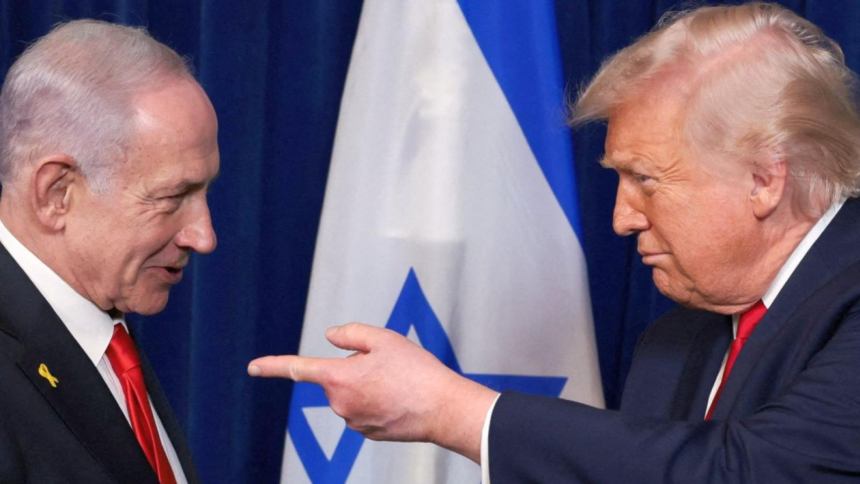
Breaking: Trump Unleashes Sharp Rebuke at Netanyahu, Claims He Saved Him From Prison Amid Lebanon Crisis
Former U.S. President Donald Trump launched a blistering attack on Israeli Prime Minister Benjamin Netanyahu, claiming, “You’d be in prison without me,” amid growing tensions over Lebanon
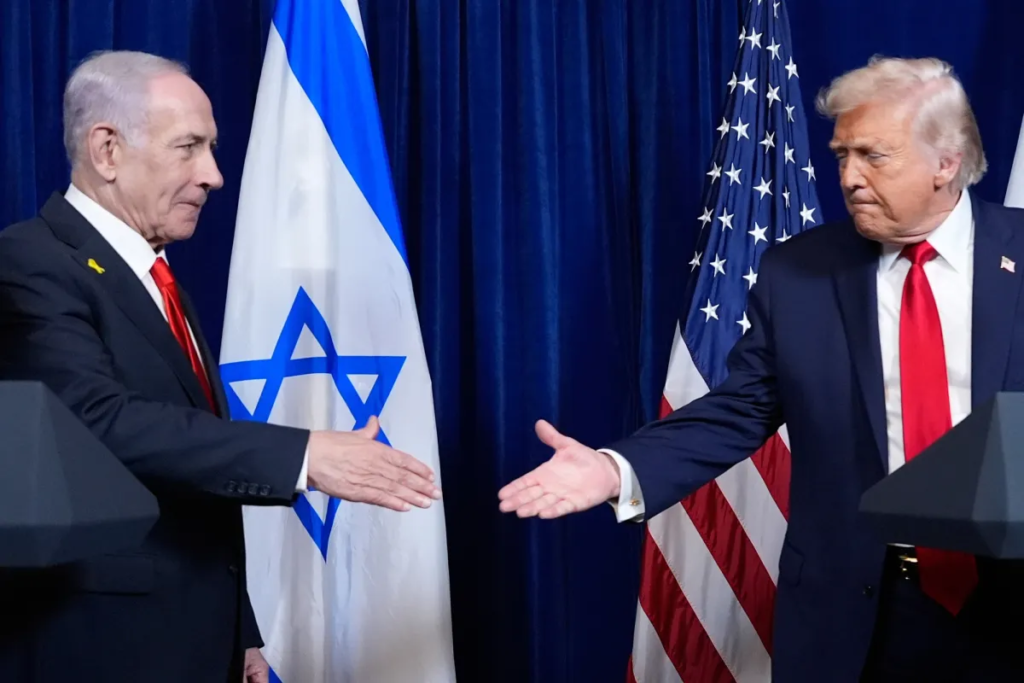
In a dramatic development that has drawn global attention, U.S. President Donald Trump reportedly launched a furious verbal attack on Israeli Prime Minister Benjamin Netanyahu during a heated phone call over Israel’s escalating military operations in Lebanon. According to multiple reports citing U.S. officials familiar with the conversation, Trump expressed frustration with Israel’s actions and warned Netanyahu that the continued escalation could further isolate Israel on the international stage.
The reported exchange has quickly become one of the most talked-about diplomatic stories of the year, highlighting growing tensions between two leaders who have long been viewed as close political allies. The disagreement reportedly centered on Israel’s military campaign in Lebanon and concerns that expanded operations could derail broader diplomatic efforts in the Middle East.
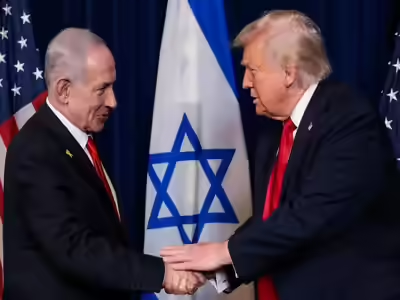
According to reports, Trump became increasingly frustrated during the phone call as discussions turned to Israel’s military operations in Lebanon. Sources familiar with the conversation claimed the U.S. president used unusually blunt language while criticizing Netanyahu’s approach to the conflict.
One summary of the conversation attributed to U.S. officials quoted Trump as telling Netanyahu that he was acting recklessly and that his actions were damaging Israel’s standing around the world. Reports also claimed Trump suggested that he had previously helped shield Netanyahu politically during legal and political challenges.
While neither leader publicly confirmed the exact wording reported by media outlets, the accounts have fueled widespread speculation about the current state of U.S.-Israel relations and whether differences over Lebanon are creating a rare public rift between Washington and Jerusalem.
The reported confrontation comes amid intensified fighting in Lebanon. In recent weeks, cross-border clashes, airstrikes, and military operations have significantly increased, raising fears of a broader regional conflict. Israeli forces have expanded operations against Hezbollah positions, while Hezbollah has continued attacks against Israeli targets.
The situation escalated further after Israeli troops reportedly captured strategic positions inside Lebanon, including the historic Beaufort Castle and nearby high ground considered militarily important. The developments marked one of Israel’s deepest military incursions into Lebanon in decades.
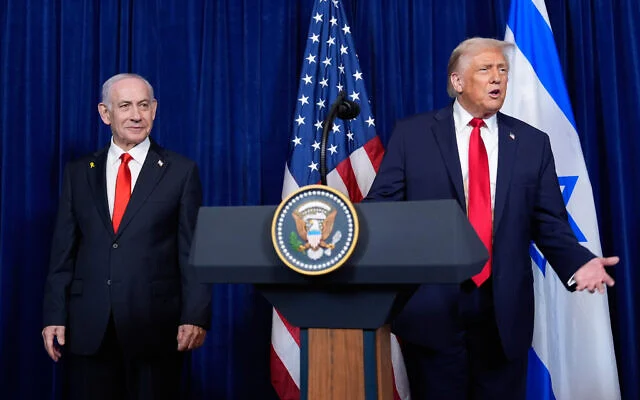
International observers have warned that continued escalation could destabilize the region and draw additional actors into the conflict.
Reports indicate that Trump was particularly concerned about Israeli plans involving Beirut. U.S. officials cited in media reports said the American president warned Netanyahu that expanding attacks toward the Lebanese capital could generate significant international backlash and complicate ongoing diplomatic initiatives.
The concerns reportedly extend beyond Lebanon itself. Iran has warned that escalating military activity could jeopardize diplomatic negotiations involving the United States and regional actors. The potential collapse of those talks has become a major concern for the White House, which is seeking to prevent a wider Middle East conflict.
Trump later stated publicly that he had held productive discussions with Netanyahu and had also communicated indirectly with Hezbollah through intermediaries, claiming that both sides had agreed to halt attacks.
The relationship between Trump and Netanyahu has been one of the most closely watched political partnerships in international politics over the past decade.
During Trump’s earlier presidency, the United States implemented several policies strongly supported by Netanyahu and his government. These included major diplomatic initiatives and strategic cooperation on regional security matters.
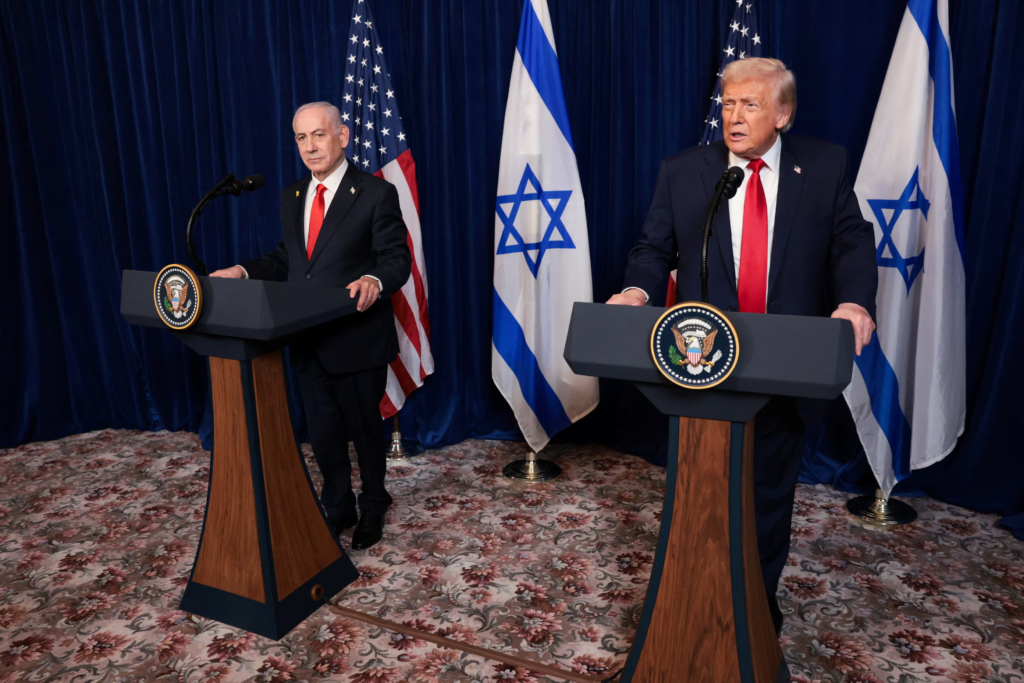
However, despite their public alignment on many issues, reports have periodically suggested private disagreements between the two leaders. Analysts note that strong personalities and differing political priorities have occasionally produced friction behind closed doors.
The latest reported confrontation appears to represent one of the sharpest exchanges between the two leaders to become public.
The reported remarks have prompted debate among foreign policy experts regarding the future direction of U.S.-Israel relations.
Some analysts view the disagreement as evidence that Washington is increasingly concerned about the consequences of prolonged military operations in Lebanon. Others argue that despite the harsh language reportedly used during the conversation, the underlying strategic partnership between the two countries remains strong.
Military cooperation, intelligence sharing, and regional security interests continue to bind the two nations together. Nevertheless, public disagreements between leaders can influence diplomatic calculations and international perceptions.
Experts note that even close allies frequently experience policy disagreements, particularly during periods of military conflict and geopolitical uncertainty.
News of the reported exchange quickly spread across international media outlets, generating reactions from political commentators, diplomats, and analysts worldwide.
Supporters of Trump’s position argue that efforts to prevent further escalation are necessary to avoid a wider regional war. Critics, meanwhile, contend that Israel must retain the ability to respond to security threats originating from across its borders.
The debate reflects broader divisions within the international community regarding how best to address the ongoing conflict and prevent further instability in the Middle East.
Several governments have called for restraint from all sides while emphasizing the importance of diplomatic solutions and de-escalation measures.
The fighting in Lebanon has become one of the most significant regional security challenges of 2026. The conflict has displaced large numbers of civilians and increased fears of a broader confrontation involving multiple countries and armed groups.
Security experts warn that continued military operations could have consequences extending beyond Lebanon and Israel. Economic disruption, refugee movements, and heightened geopolitical tensions remain major concerns for policymakers across the region.
The situation has also become closely linked to broader diplomatic efforts involving Iran, the United States, and other regional powers.
The coming days are expected to be crucial in determining whether tensions continue to rise or whether diplomatic efforts can stabilize the situation.
Trump has publicly indicated optimism regarding ceasefire efforts and negotiations aimed at reducing violence. However, developments on the ground remain fluid, and military operations have continued despite diplomatic initiatives.
Observers will be closely watching future communications between Washington and Jerusalem, as well as developments in Lebanon, to assess whether the reported disagreement represents a temporary dispute or a more significant shift in policy coordination.
Read Also : Fuel Price Shock 2026: Commercial LPG and 5-Kg Cylinders Get Costlier as International ATF Prices Fall