Why Are Farmers Dumping Thousands of Litres of Milk on Amritsar Roads? 5 Key Reasons Behind the Protest
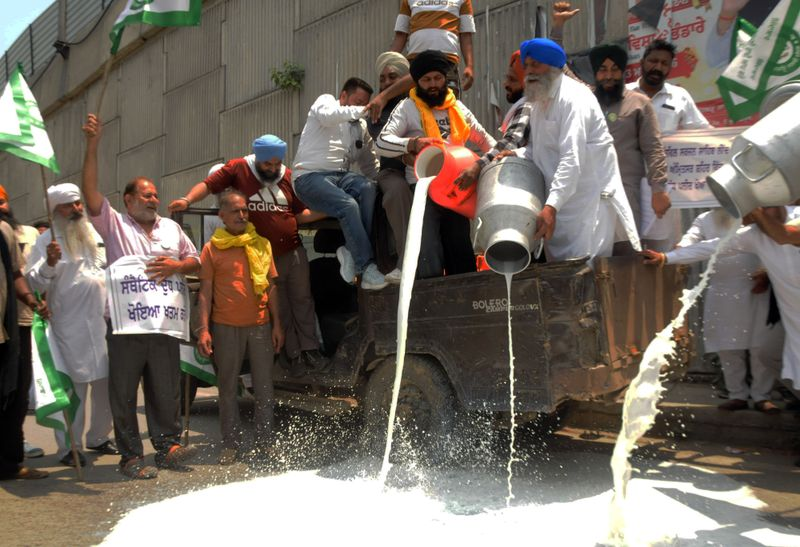
Thousands of litres of milk were poured onto roads in Amritsar as protesting farmers intensified their agitation over low procurement prices and unmet demands
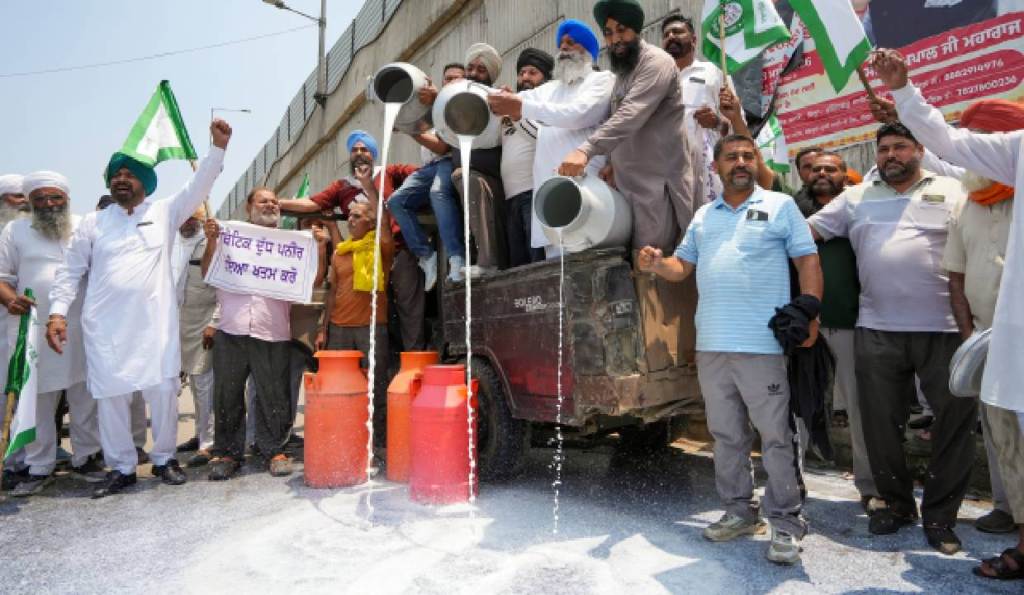
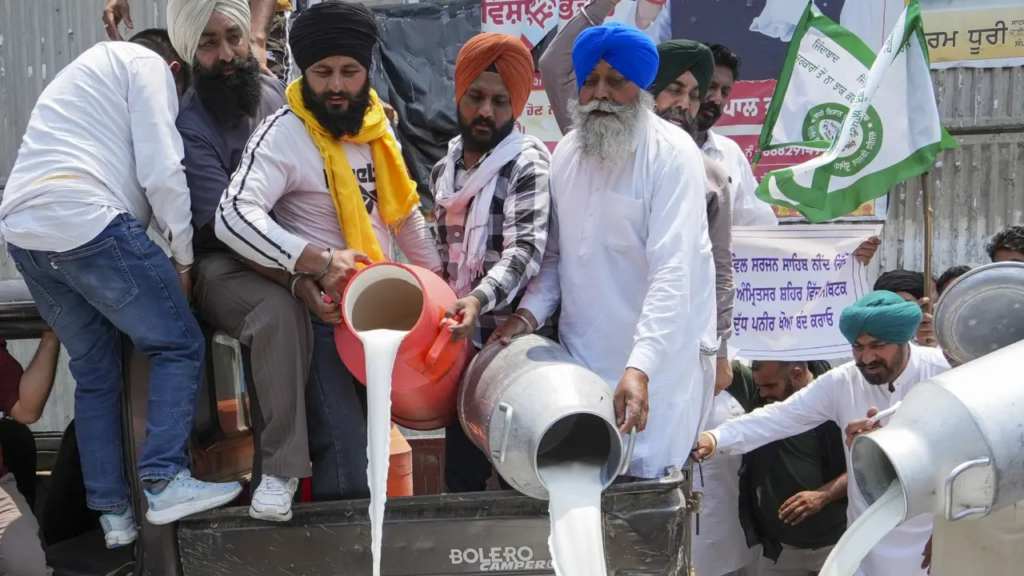
A dramatic protest unfolded in Punjab’s Amritsar district as dairy farmers poured thousands of litres of milk onto roads, drawing widespread attention and sparking debates about the challenges facing India’s agricultural and dairy sectors. The striking images of milk flowing across highways and streets quickly went viral, leaving many people wondering why farmers chose such an extreme method to express their frustration.
The protest was not merely a symbolic act. According to farmer organizations, it reflected deep-rooted concerns about falling milk prices, rising production costs, inadequate government support, and growing financial pressures on dairy producers. The demonstration highlighted the struggles faced by thousands of families who depend on dairy farming as a primary source of income.
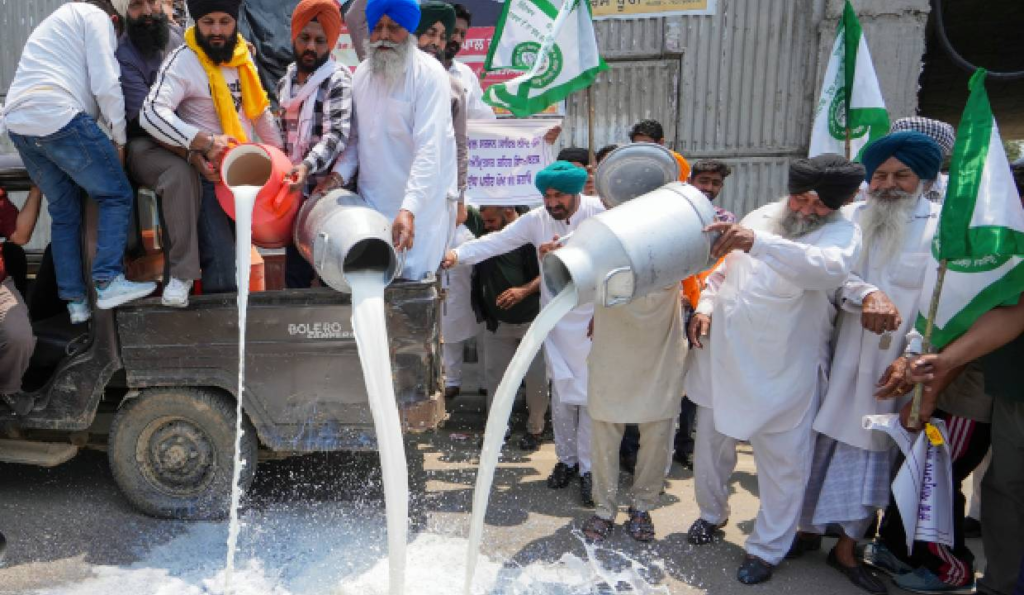
The immediate trigger behind the protest was dissatisfaction among dairy farmers over the prices they receive for milk. Farmer groups argue that procurement rates offered by private buyers and dairy companies have not kept pace with increasing production costs.
Over the past few years, dairy farmers have faced higher expenses related to cattle feed, veterinary care, transportation, electricity, labor, and maintenance. Many producers claim that despite these rising costs, the prices paid for milk have either remained stagnant or failed to increase proportionately.
As a result, farmers say profit margins have narrowed significantly, making it increasingly difficult to sustain dairy operations. The decision to dump milk on roads was intended to draw public attention to these concerns and pressure authorities to address their demands.
One of the primary reasons behind the protest is the gap between production costs and selling prices.
Dairy farming involves substantial recurring expenses. Farmers must purchase fodder, feed supplements, medicines, and other essential inputs while also maintaining livestock health and productivity. In recent years, many of these costs have increased due to inflation and market fluctuations.
Farmer representatives argue that milk procurement prices have not risen sufficiently to offset these expenses. They claim that producers are often forced to sell milk at rates that barely cover operational costs, leaving little room for profit or investment.
For small and medium dairy farmers, even minor reductions in milk prices can have significant financial consequences because dairy income often supports household expenses, education, healthcare, and debt repayments.
Another major concern involves the increasing cost of cattle feed and fodder.
Feed typically represents one of the largest expenses in dairy farming. Fluctuations in agricultural commodity prices can directly affect feed costs, increasing the financial burden on farmers.
Many dairy producers report that feed prices have risen substantially over the years. In addition to commercial feed, the cost of green fodder, dry fodder, and nutritional supplements has also increased.
When feed expenses rise faster than milk prices, profitability declines. Farmers argue that the imbalance has reached a point where many producers are struggling to maintain viable operations.
The issue is particularly serious for small farmers who lack the financial resources available to larger commercial dairy enterprises.
A key demand raised during the protest is greater government intervention in the dairy sector.
Farmer organizations have called for measures aimed at stabilizing milk prices and protecting dairy producers from market volatility. Some groups are seeking minimum support mechanisms or pricing frameworks that ensure fair compensation for milk producers.
Farmers argue that dairy farming plays a crucial role in rural economies and contributes significantly to agricultural income. Therefore, they believe policies should be designed to safeguard producers against severe market fluctuations.
Supporters of government intervention point out that stable pricing can help ensure long-term sustainability while protecting rural livelihoods.
However, policymakers often face challenges in balancing producer interests, consumer affordability, and market dynamics.
The dairy sector is increasingly facing financial stress due to rising input costs and uncertain income levels.
Many dairy farmers rely on loans to purchase cattle, construct sheds, acquire equipment, and expand operations. When milk prices remain low for extended periods, repayment obligations become more difficult to meet.
Farmer groups have expressed concerns that prolonged financial pressures could push some producers deeper into debt. In extreme cases, sustained losses may force farmers to reduce herd sizes or exit dairy farming altogether.
The milk dumping protest was partly intended to highlight these financial challenges and seek solutions before the situation worsens.
Industry observers note that dairy farming often provides regular income compared to seasonal crop production, making its financial stability particularly important for rural households.
While many people questioned why farmers would waste milk during a protest, organizers argue that the act was intended to send a strong message.
According to protest leaders, dumping milk symbolizes the economic realities facing dairy farmers. They contend that if milk is being purchased at unviable rates, selling it may not provide meaningful financial benefit.
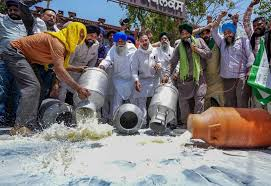
The dramatic nature of the protest ensured widespread media coverage and public discussion. Farmer groups often use such symbolic demonstrations to highlight issues they believe are being ignored by policymakers and industry stakeholders.
By pouring milk onto roads, protesters aimed to create visibility for their demands and emphasize the seriousness of their grievances.
The protest has raised concerns about potential impacts on milk supply chains and dairy markets.
Although short-term disruptions may occur in affected areas, industry experts generally do not expect widespread shortages. However, continued unrest could influence transportation, procurement, and distribution activities.
The dairy industry remains a critical component of India’s agricultural economy. The country is one of the world’s largest milk producers, with millions of farmers participating in dairy-related activities.
Any prolonged instability within the sector could affect producers, processors, retailers, and consumers alike.
Stakeholders are therefore closely monitoring developments and seeking constructive dialogue between farmer organizations and authorities.
Punjab has long been recognized as a major agricultural state, and dairy farming plays an important role in its rural economy.
Many farming households supplement crop income through milk production. Dairy activities provide year-round earnings and help reduce dependence on seasonal agricultural income.
The sector also generates employment opportunities in transportation, processing, veterinary services, feed production, and retail distribution.
As a result, issues affecting dairy farmers often have broader economic implications for rural communities.
Farmer groups argue that strengthening the dairy sector is essential for ensuring sustainable agricultural development and improving rural livelihoods.
Following the protests, discussions have intensified regarding possible measures to address farmer concerns.
Authorities are expected to engage with farmer representatives to understand their demands and explore potential solutions. Industry participants may also play a role in discussions related to pricing structures, procurement mechanisms, and market conditions.
Experts suggest that long-term solutions may require a combination of policy reforms, improved productivity, efficient supply chains, and support programs aimed at reducing production costs.
The success of such efforts will depend on cooperation among government agencies, dairy companies, cooperatives, and farmer organizations.
Read Also : Breaking: Trump Unleashes Sharp Rebuke at Netanyahu, Claims He Saved Him From Prison Amid Lebanon Crisis