West Asia War LIVE: 3 Nations Sign Historic Trilateral Pact as Lebanon, Israel & U.S. Seal Major Peace Framework
Get the latest West Asia War LIVE updates as Lebanon, Israel, and the U.S. sign a historic trilateral framework pact
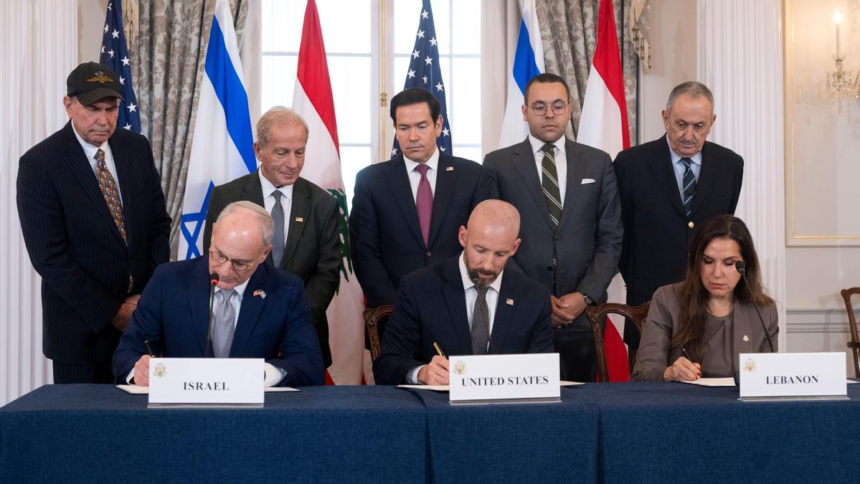
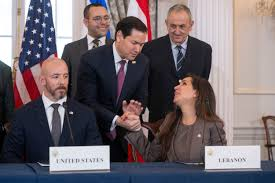
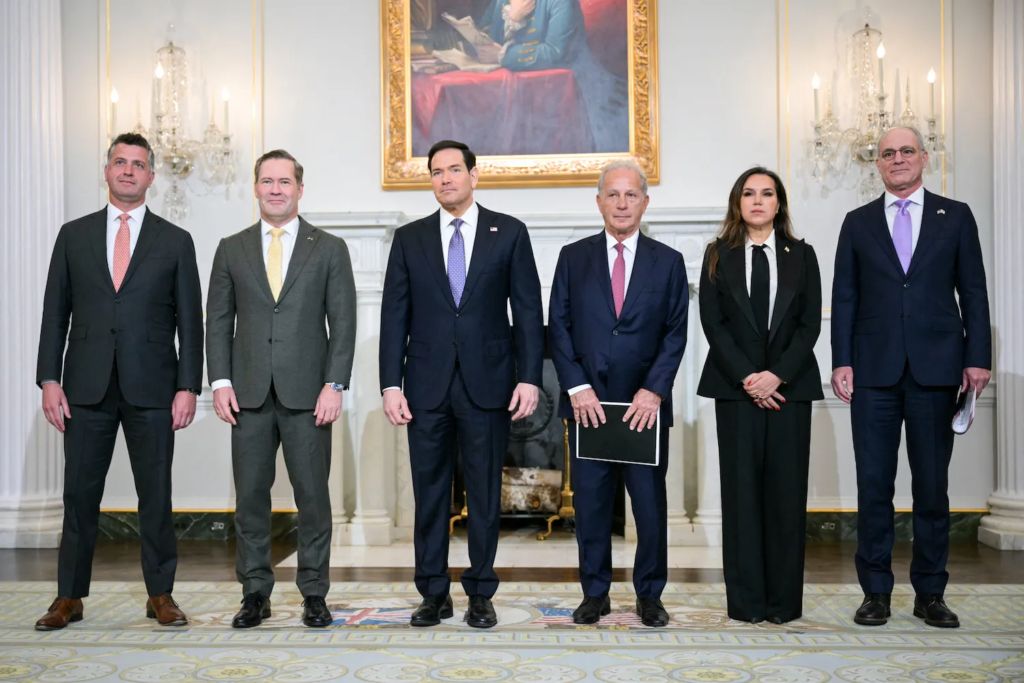
In a significant diplomatic breakthrough amid months of escalating tensions across West Asia, Lebanon, Israel, and the United States have signed a trilateral framework pact aimed at reducing hostilities, improving regional coordination, and laying the foundation for long-term stability. The agreement, announced during a period of heightened military activity and political uncertainty, is being viewed as one of the most important diplomatic developments in the region in recent years.
The framework comes as international leaders continue to express concerns over the humanitarian and security challenges facing West Asia. While details of the agreement are still emerging, officials from all three parties have described the pact as a major step toward de-escalation and conflict management.
The signing of the trilateral framework pact represents a rare moment of cooperation among countries with long-standing political and security differences. The United States played the role of mediator, bringing together Lebanon and Israel to establish a roadmap designed to reduce tensions along their shared border and strengthen communication channels.
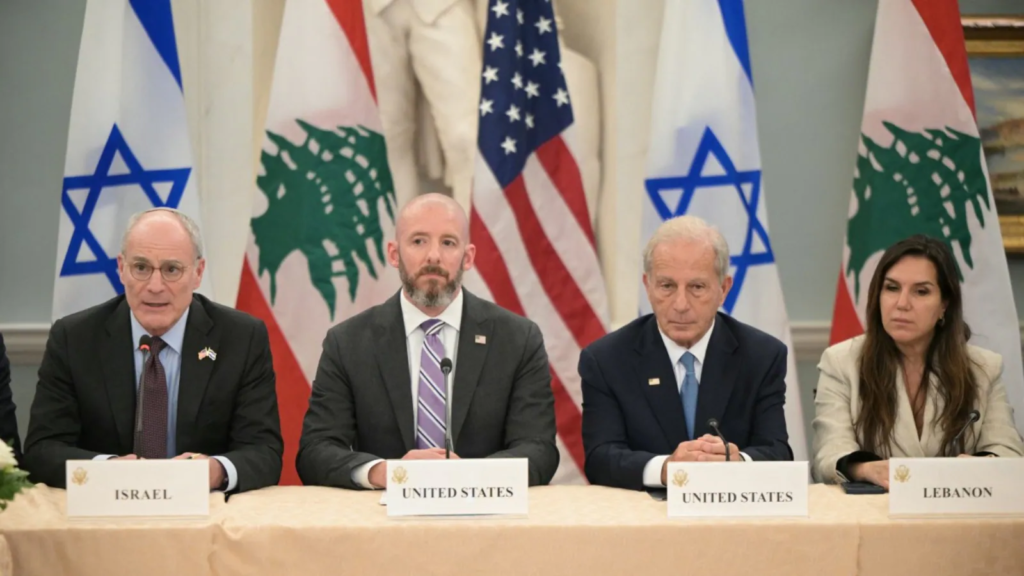
According to officials familiar with the negotiations, the agreement focuses on preventing accidental military confrontations, improving coordination mechanisms, and supporting long-term regional stability.
Diplomatic observers say the framework could open new opportunities for dialogue, even though several contentious issues remain unresolved.
The border between Lebanon and Israel has witnessed repeated periods of instability over the decades. Cross-border exchanges, military operations, and security concerns have frequently threatened broader regional peace.
The new framework aims to address these risks by introducing structured communication and confidence-building measures. Analysts believe that reducing misunderstandings between the two sides could significantly lower the chances of unintended escalation.
The United States has emphasized that diplomacy remains the most effective path toward maintaining stability in a region already facing multiple security challenges.
Although complete details have not yet been released, the agreement is expected to include several important objectives:
- Enhancing communication between relevant authorities.
- Preventing accidental military escalation.
- Encouraging diplomatic engagement.
- Supporting border stability.
- Promoting humanitarian coordination where necessary.
- Strengthening regional security cooperation.
Officials stressed that the framework is not a comprehensive peace treaty but rather an important mechanism to reduce immediate risks while creating conditions for future negotiations.
The announcement arrives at a time when West Asia continues to experience multiple interconnected crises involving regional powers, armed groups, and international stakeholders.
Security experts believe the framework may help reduce pressure along one of the region’s most sensitive frontiers. By creating structured channels of dialogue, the agreement could help prevent isolated incidents from evolving into larger military confrontations.
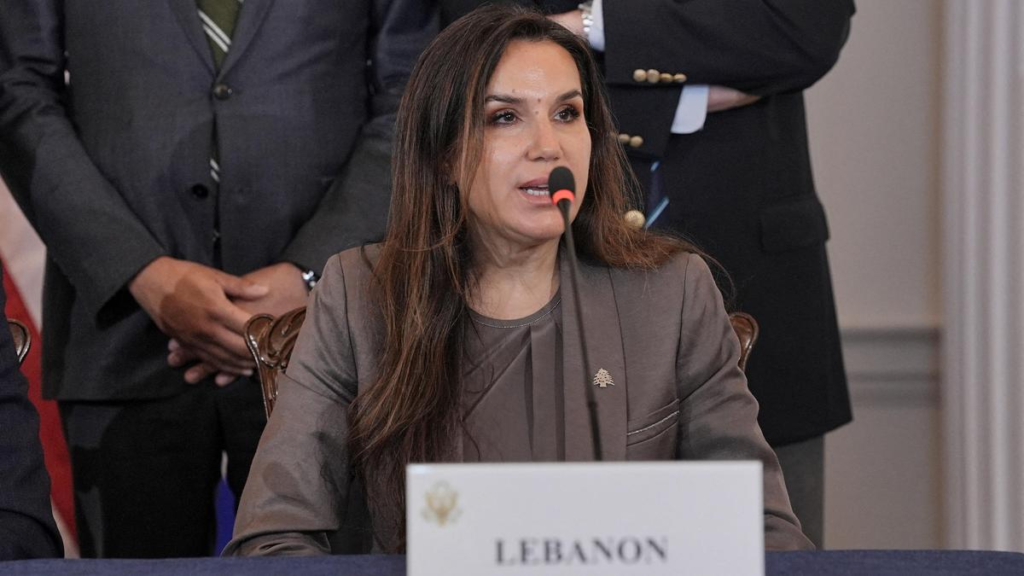
Many international observers see the initiative as an example of diplomacy taking precedence over confrontation during an increasingly volatile period.
The United States played a central role in facilitating negotiations between Lebanon and Israel.
American diplomats have consistently advocated for diplomatic solutions to regional conflicts while maintaining strong security partnerships throughout the Middle East.
Officials described the trilateral framework as evidence of sustained diplomatic engagement aimed at reducing instability and encouraging practical cooperation between neighboring states.
Washington also reaffirmed its commitment to supporting regional peace initiatives through dialogue and international partnerships.
Governments and international organizations have broadly welcomed the announcement.
Several countries praised the agreement as an encouraging step toward reducing tensions and promoting dialogue.
Diplomatic observers noted that while the framework does not resolve every dispute, it creates an institutional foundation that could support future negotiations.
International analysts also emphasized that continued implementation will determine whether the agreement produces lasting improvements on the ground.
Despite widespread optimism, experts caution that significant challenges continue to exist.
Political disagreements, historical grievances, border disputes, and broader regional rivalries remain unresolved.
Implementing confidence-building measures will require sustained political commitment from all parties.
Analysts warn that isolated security incidents or changing political circumstances could test the durability of the agreement.
Nevertheless, many believe that establishing communication mechanisms is itself an important achievement.
Beyond security concerns, the framework also carries humanitarian significance.
Communities living near border regions have often experienced disruptions caused by recurring tensions.
Reducing the risk of conflict could improve living conditions, encourage economic activity, and support humanitarian operations where required.
International humanitarian organizations have repeatedly emphasized that stability is essential for protecting civilian populations and enabling long-term development.
Regional stability often has direct economic consequences.
Lower security risks can encourage trade, investment, infrastructure development, and cross-border economic cooperation.
Financial markets generally respond positively to diplomatic breakthroughs that reduce geopolitical uncertainty.
Although the framework is primarily focused on security, analysts suggest that improved relations could eventually create opportunities for broader economic engagement.
The agreement highlights the continuing importance of diplomacy in addressing complex international disputes.
While military capabilities remain significant, long-term stability often depends upon communication, negotiation, and confidence-building.
Diplomatic experts argue that even limited agreements can create momentum for future cooperation.
The trilateral framework demonstrates that sustained negotiations remain possible despite deep political differences.
Attention now turns toward implementation.
Officials from the participating countries are expected to establish mechanisms for monitoring progress, resolving disputes, and evaluating compliance with agreed commitments.
Future meetings may expand discussions to include additional confidence-building initiatives or technical cooperation.
Observers will closely monitor whether the framework contributes to a measurable reduction in regional tensions over the coming months.
The agreement may also influence diplomatic efforts elsewhere in the region.
Other countries facing complex security challenges could view the framework as a model for practical engagement despite longstanding disagreements.
Regional diplomacy often progresses incrementally, with confidence-building measures serving as the foundation for broader political agreements.
If successfully implemented, the trilateral framework could encourage similar initiatives across West Asia.
The international community continues to closely follow developments in West Asia due to the region’s strategic importance.
Energy markets, international trade routes, and global security considerations are all closely connected to regional stability.
Major diplomatic developments therefore attract significant attention from governments, investors, and policy experts worldwide.
The framework agreement has already become one of the most discussed diplomatic events in current international affairs.
Read Also : Ram Mandir Donation Row: 1 Samajwadi Party Leader’s Post Sparks Massive Political Storm