Venezuela Earthquake Horror: 4 Days Later, 50,000 Still Missing as Death Toll Climbs to 920
Four days after the devastating earthquakes, the death toll has risen to 920, while 50,000 people remain missing
Venezuela is facing one of the worst natural disasters in its modern history after two powerful earthquakes devastated large parts of the country’s northern region. Four days after the twin quakes struck, rescue teams continue to search through collapsed buildings and mountains of debris as the confirmed death toll has risen to 920, while more than 50,000 people remain missing, according to United Nations officials and Venezuelan authorities.
The disaster has triggered a massive humanitarian emergency, prompting international rescue missions, emergency aid, and growing concern from governments and humanitarian organizations worldwide. Families continue to wait anxiously for news of missing loved ones as hopes of finding survivors gradually diminish.
The catastrophe began when two powerful earthquakes measuring 7.2 and 7.5 in magnitude struck Venezuela within less than a minute of each other. The twin tremors caused catastrophic damage across the country’s northern coastline, with the coastal state of La Guaira emerging as the worst-hit region.
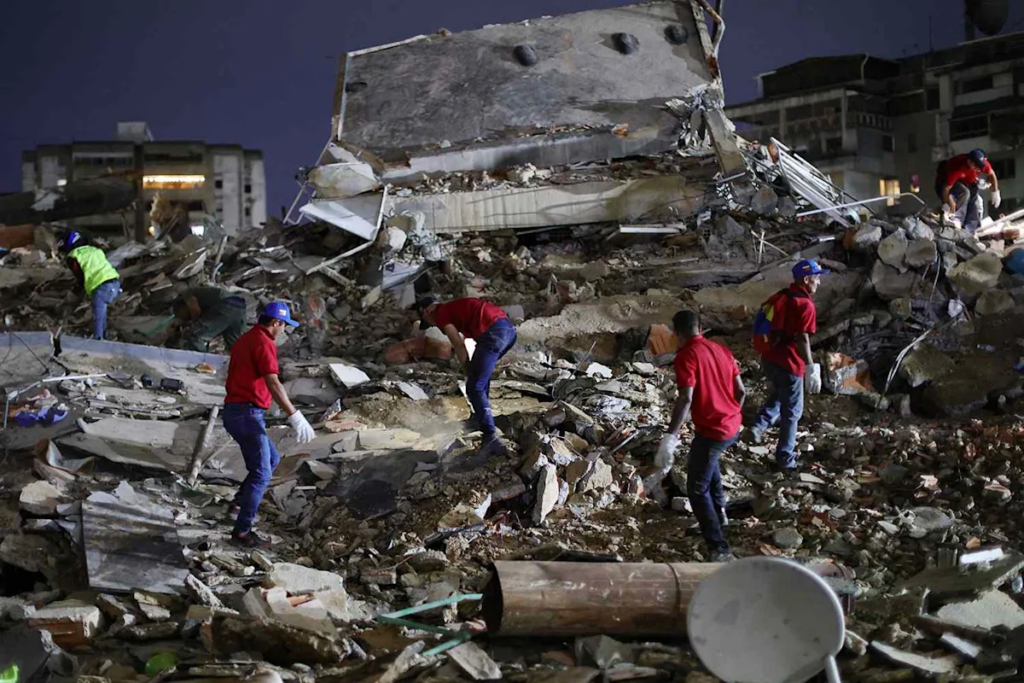
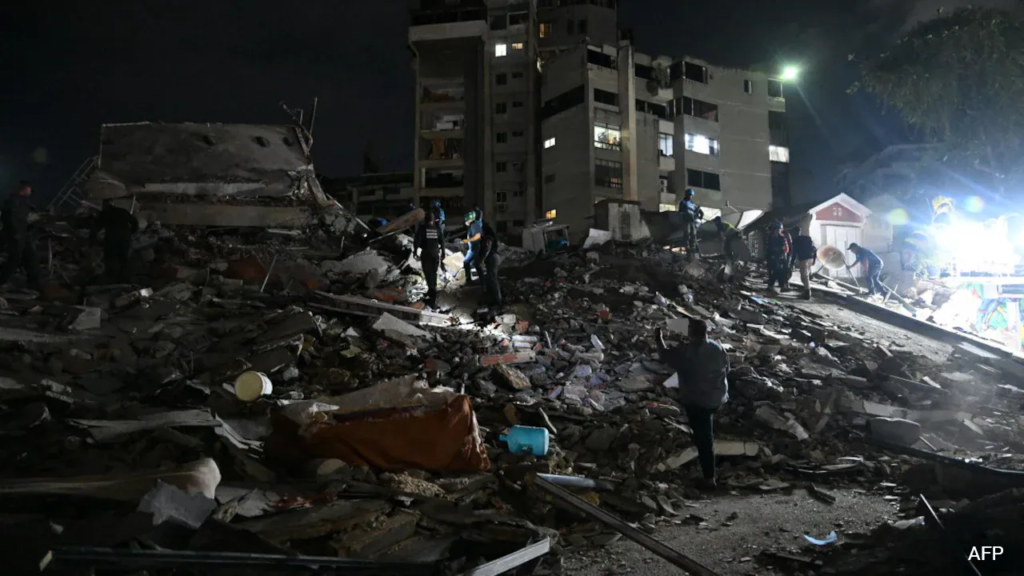
Residential buildings, hospitals, schools, roads, bridges, and public infrastructure suffered extensive damage. Entire apartment complexes crumbled within seconds, trapping thousands of residents beneath the rubble.
The earthquakes were among the strongest to hit Venezuela in more than a century, shaking not only the capital Caracas but also several neighboring regions.
Authorities have confirmed 920 deaths, but officials warn that the final toll could increase significantly as rescue workers continue clearing debris.
Thousands of people have also sustained injuries ranging from minor fractures to life-threatening trauma. Hospitals across the affected areas remain overwhelmed despite emergency medical assistance arriving from international partners.
The large number of missing persons has become the biggest challenge facing emergency responders. United Nations humanitarian officials estimate that over 50,000 people remain unaccounted for, making this one of the largest search-and-rescue operations ever conducted in Venezuela.
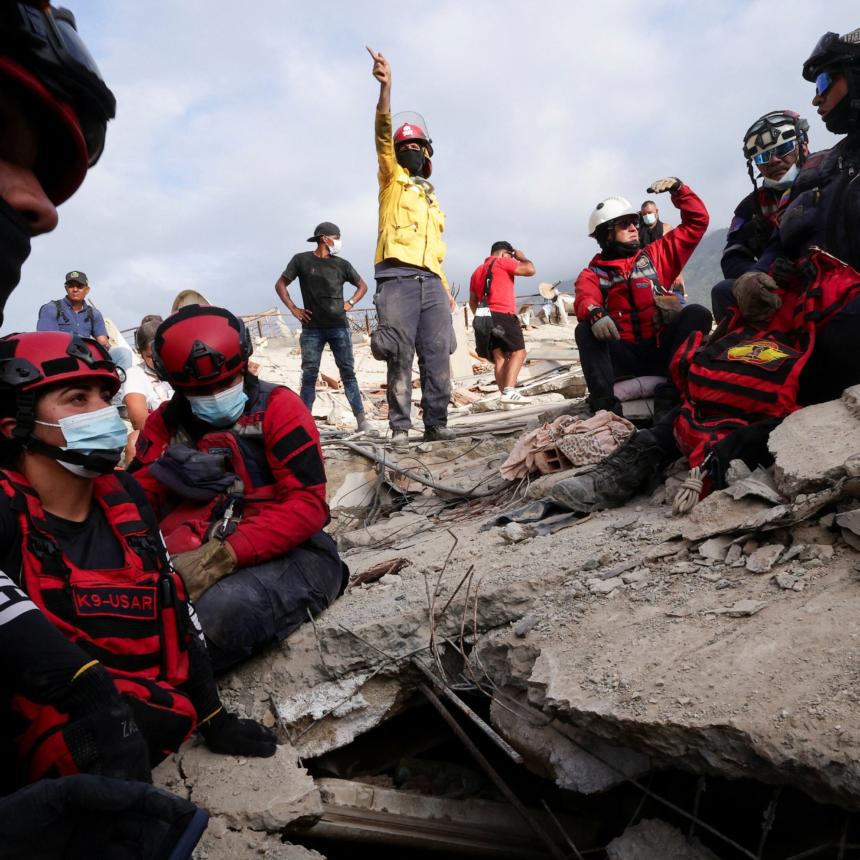
Search-and-rescue teams are working day and night despite dangerous conditions.
Heavy machinery, rescue dogs, drones equipped with thermal imaging cameras, and specialized detection equipment are being used to locate survivors trapped beneath collapsed structures.
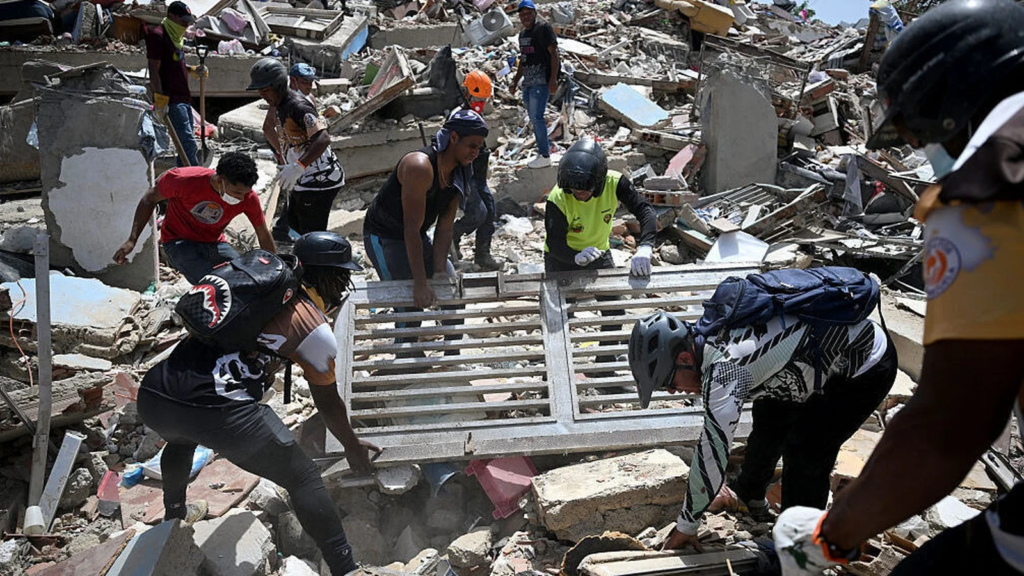
In many neighborhoods, however, residents have started rescue efforts themselves because official assistance has been delayed.
Families, neighbors, and volunteers are using shovels, hammers, and even their bare hands to remove debris while desperately calling out the names of missing relatives.
Emergency workers continue urging silence at rescue sites whenever possible sounds are detected beneath collapsed buildings.
Recognizing the scale of the disaster, countries from around the world have mobilized emergency assistance.
Search-and-rescue specialists, engineers, medical teams, field hospitals, and humanitarian supplies have begun arriving from numerous countries.
The United States has deployed hundreds of disaster-response personnel along with specialized rescue units trained in locating survivors trapped under collapsed buildings.
Additional assistance has arrived from Spain, Switzerland, Mexico, Colombia, Chile, El Salvador, and several other nations working alongside United Nations humanitarian agencies.
The coastal city of La Guaira has become the symbol of Venezuela’s earthquake tragedy.
Entire residential districts have been reduced to piles of concrete and twisted steel.
Many apartment complexes collapsed completely, leaving little chance for survival beneath the debris.
Roads remain blocked by fallen buildings, making it difficult for heavy rescue equipment to reach some neighborhoods.
Residents describe scenes of complete devastation, with families sleeping outdoors due to fears of additional building collapses caused by aftershocks.
Several aftershocks have continued since the initial earthquakes, including fresh tremors that have complicated rescue efforts and increased anxiety among survivors.
Emergency officials have warned residents to avoid entering damaged buildings because weakened structures could collapse without warning.
The continuing seismic activity has also forced rescue teams to temporarily suspend operations in certain locations for safety reasons.
The earthquakes have intensified an already difficult humanitarian situation.
Millions of Venezuelans were already facing economic hardship before the disaster.
Now thousands of families have lost their homes, while access to clean drinking water, electricity, healthcare, and food remains severely disrupted.
Temporary shelters have been established to accommodate displaced residents, but humanitarian agencies warn that additional support will be necessary as recovery efforts continue.
The United Nations has appealed for increased international assistance, emphasizing the urgent need for medical supplies, clean water, sanitation facilities, food, and emergency shelter.
The government’s response has come under increasing scrutiny.
Some residents in the hardest-hit communities claim rescue teams arrived too late and that they were forced to begin rescue efforts themselves.
During visits by senior government officials to affected neighborhoods, frustrated citizens reportedly demanded faster emergency assistance and more rescue equipment.
Officials have defended their response, stating that the unprecedented scale of the disaster has stretched available resources beyond normal capacity.
Heartbreaking stories continue to emerge from disaster zones.
Parents remain desperately searching for missing children.
Entire families have disappeared beneath collapsed apartment buildings.
Volunteers describe hearing voices beneath the rubble while racing against time to rescue survivors before the critical rescue window closes.
Many survivors have lost everything, including homes, possessions, and loved ones.
These personal stories have drawn international sympathy and generated support for humanitarian fundraising campaigns.
Economists estimate that rebuilding damaged infrastructure will require billions of dollars.
Transportation networks, schools, hospitals, government buildings, and residential housing have all suffered extensive destruction.
The earthquakes are expected to place additional pressure on Venezuela’s already fragile economy.
Insurance experts believe reconstruction could take several years, depending upon the level of international financial assistance received.
World leaders have expressed condolences to the Venezuelan people while pledging humanitarian assistance.
International organizations continue coordinating relief operations aimed at saving lives and supporting recovery.
Emergency logistics experts are working to improve the delivery of aid into heavily damaged areas where transportation infrastructure remains disrupted.
Humanitarian organizations emphasize that long-term recovery will require sustained international cooperation beyond the immediate emergency phase.
Despite overwhelming destruction, rescue workers continue finding occasional survivors beneath collapsed buildings.
Each successful rescue brings renewed hope to families still waiting for news of missing relatives.
Medical personnel, volunteers, firefighters, military personnel, engineers, and international rescue specialists continue working tirelessly despite exhaustion and difficult conditions.
Communities across Venezuela have also demonstrated remarkable solidarity by donating food, clothing, blood supplies, and temporary shelter for displaced families.
The coming days remain critical.
Authorities expect casualty figures to continue changing as additional buildings are searched.
Humanitarian agencies will increasingly shift their attention toward providing long-term shelter, healthcare, psychological support, sanitation, and rebuilding assistance for affected communities.
Experts warn that recovery from a disaster of this magnitude will likely take years and require substantial domestic and international cooperation.