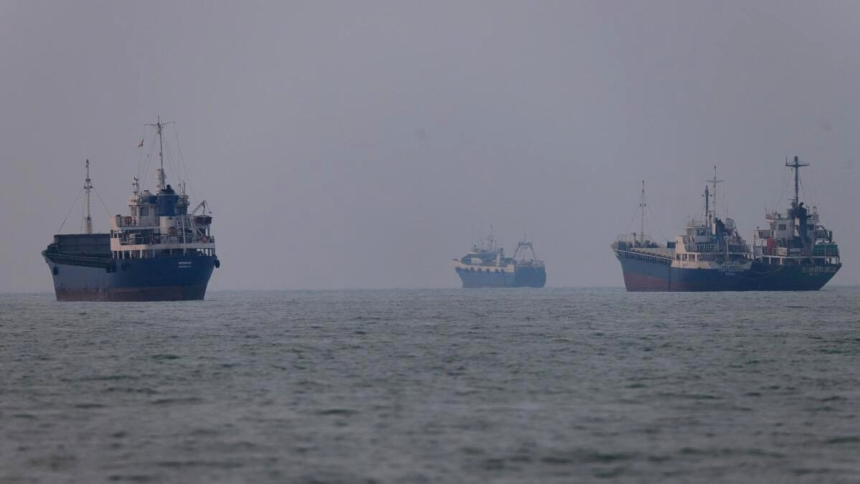
Strait of Hormuz Reopens: Global Shipping Traffic Surges Again After 7 Days of Tension
Shipping traffic through the Strait of Hormuz is picking up again as maritime activity resumes following regional tensions
Shipping activity through the Strait of Hormuz, one of the world’s most strategically important maritime chokepoints, is showing encouraging signs of recovery after weeks of disruption caused by regional tensions. Tankers carrying crude oil and liquefied natural gas (LNG) have gradually resumed transit, easing concerns over global energy supplies and helping stabilize international oil markets.
The improvement follows ongoing diplomatic efforts aimed at reducing tensions in the Gulf region. While maritime traffic has increased compared to recent lows, industry experts caution that shipping volumes remain below normal levels and that many operators are still taking a cautious approach due to security concerns.
The Strait of Hormuz connects the Persian Gulf with the Gulf of Oman and the Arabian Sea, serving as one of the world’s busiest energy trade routes.
Before recent disruptions, roughly one-fifth of global oil consumption and a significant share of liquefied natural gas exports passed through the narrow waterway every day. Major energy exporters including Saudi Arabia, Iraq, Kuwait, the United Arab Emirates, Qatar, and Iran rely heavily on the route to reach international markets.
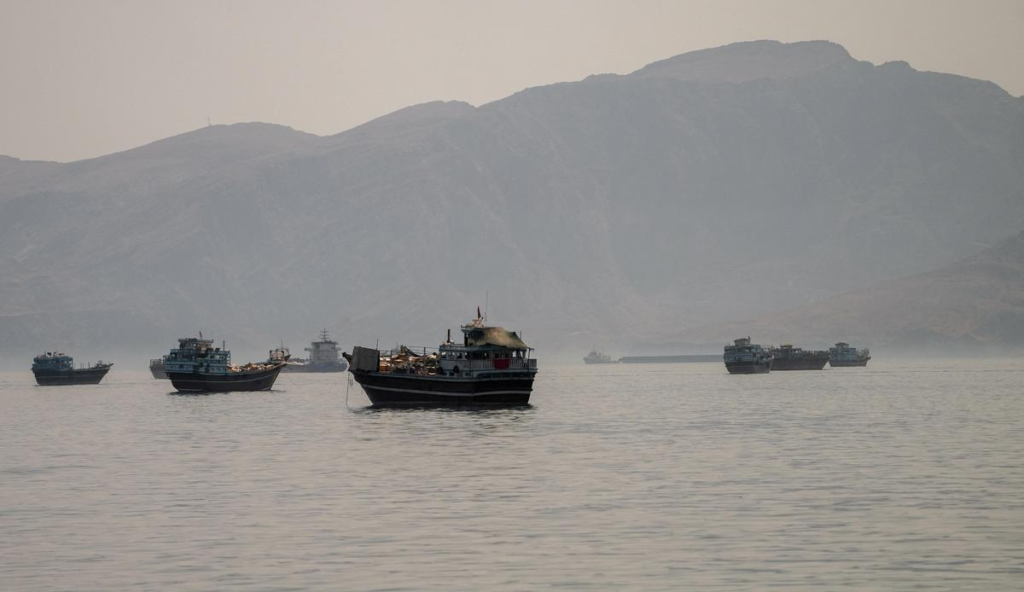
Any disruption in shipping through the strait has immediate consequences for global energy prices, freight costs, and supply chains.
Recent vessel-tracking data indicates that more oil tankers and LNG carriers are once again transiting the Strait of Hormuz.
Shipping analysts report that several crude oil tankers and LNG vessels have safely entered and exited the Gulf, marking a gradual recovery after commercial operators had significantly reduced sailings because of security risks.
Although daily vessel movements remain below pre-crisis averages, maritime experts describe the overall trend as positive. Many shipping companies are slowly restoring schedules as confidence improves.
The recovery in shipping coincides with renewed diplomatic engagement between the United States and Iran.
Technical discussions are continuing with the aim of preserving freedom of navigation and reducing the risk of further disruptions in one of the world’s most important trade corridors. While negotiations remain complex, the continuation of talks has reassured energy markets that both sides are seeking to avoid another prolonged interruption to commercial shipping.
As tanker traffic improves, international crude oil prices have become more stable.
Earlier fears of severe supply shortages had pushed prices sharply higher during periods of heightened tension. However, the gradual return of shipping has reduced immediate concerns about interrupted exports from Gulf producers.
Market analysts note that physical oil flows are often a more reliable indicator of supply conditions than short-term price movements alone. While production in parts of the Gulf has not yet fully recovered, improved shipping access is helping restore confidence among traders and refiners.
Despite improving conditions, many global shipping companies continue to exercise caution.
War-risk insurance premiums remain elevated, and several operators are carefully evaluating security conditions before sending vessels through the waterway. Some companies continue to adjust routes, while others require additional security assessments before approving voyages.
Industry experts believe it could take several more weeks before shipping volumes return to levels seen before the disruption began.
The Strait of Hormuz plays a vital role beyond oil transportation.
Large quantities of petrochemicals, refined fuels, and other commercial cargo also move through the passage each day. As vessel movements normalize, businesses worldwide expect improvements in delivery schedules, freight availability, and shipping reliability.
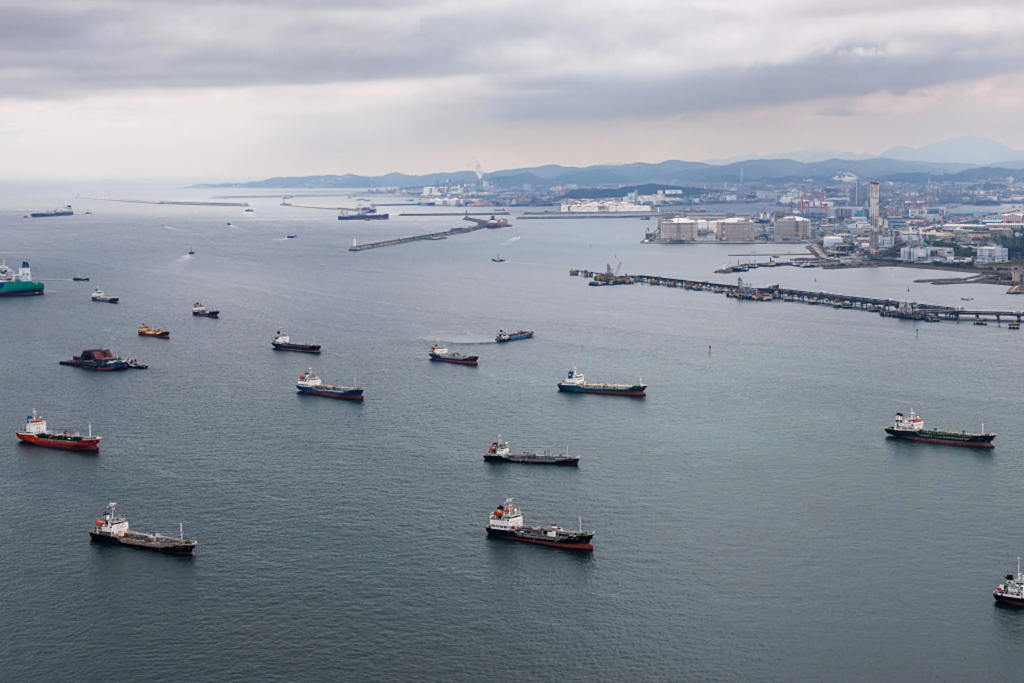
Importers in Asia, Europe, and other regions are closely monitoring developments because stable maritime operations help reduce transportation costs and minimize delays across global supply chains.
Several Gulf producers have resumed loading cargoes as shipping conditions improve.
Oil-exporting countries are working to restore normal export volumes while coordinating closely with shipping companies and port authorities. LNG exports have also resumed, offering reassurance to countries dependent on Gulf gas supplies for electricity generation and industrial production.
However, analysts caution that tanker availability remains constrained in some segments, meaning a full recovery in export volumes could take additional time.
Although shipping activity has increased, security challenges remain.
Maritime authorities continue advising commercial vessels to follow designated transit corridors, maintain close communication with naval monitoring centers, and comply with updated navigation guidance.
Recent incidents involving commercial vessels demonstrate that the security environment remains fluid, even as diplomatic efforts continue. Shipping companies are therefore maintaining enhanced safety protocols while monitoring official advisories.
The recovery of shipping traffic through the Strait of Hormuz carries significance far beyond the Gulf region.
Stable maritime trade helps:
- Improve global energy security.
- Reduce volatility in oil and gas markets.
- Support manufacturing and industrial production.
- Lower transportation costs.
- Strengthen confidence in international trade.
Financial markets are also watching developments closely because uninterrupted shipping supports broader economic stability.
Despite the encouraging recovery, several uncertainties remain.
Negotiations between regional stakeholders are still ongoing, and shipping operators continue to evaluate evolving security conditions. Any renewed escalation could once again affect maritime traffic and energy exports.
Analysts believe long-term stability will depend on sustained diplomatic progress, continued maritime security cooperation, and confidence among commercial shipping companies.
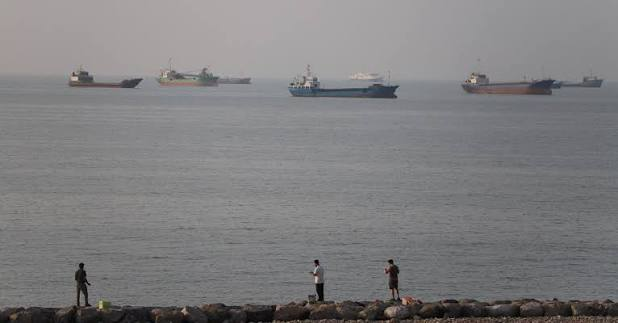
Most industry observers expect vessel movements to continue increasing gradually if current conditions remain stable.
Oil producers, shipping companies, insurers, and governments are all monitoring developments closely as they seek to restore normal commercial operations. Although the recovery remains incomplete, recent increases in tanker traffic represent an important step toward rebuilding confidence in one of the world’s most critical shipping lanes.
Read Also : Mumbai Rain Alert: 100+ mm Rain in 24 Hours Triggers Waterlogging, Local Train Delays—7 Key Updates