U.S.–Venezuela Tensions Explode: 7 Key Facts as Quake Relief Efforts Clash With Public Anger
U.S. earthquake relief efforts in Venezuela are facing political challenges as humanitarian aid collides with growing public anger toward the Venezuelan government
The humanitarian response to Venezuela’s devastating twin earthquakes has entered a critical phase as international rescue operations expand while frustration over the government’s handling of the disaster continues to grow. The United States has emerged as one of the largest providers of emergency assistance, deploying search-and-rescue teams, logistical support, medical aid, and financial assistance. However, relief efforts are unfolding against a backdrop of mounting public anger toward Venezuela’s leadership, with many survivors accusing authorities of responding too slowly to one of the country’s worst natural disasters in modern history.
The disaster has created a complex situation in which humanitarian operations, political tensions, and public demands for accountability have become closely intertwined. While rescue teams continue searching for survivors, the focus is gradually shifting toward long-term recovery and rebuilding.
The twin earthquakes struck northern Venezuela within minutes of each other, causing widespread destruction across several cities and towns.
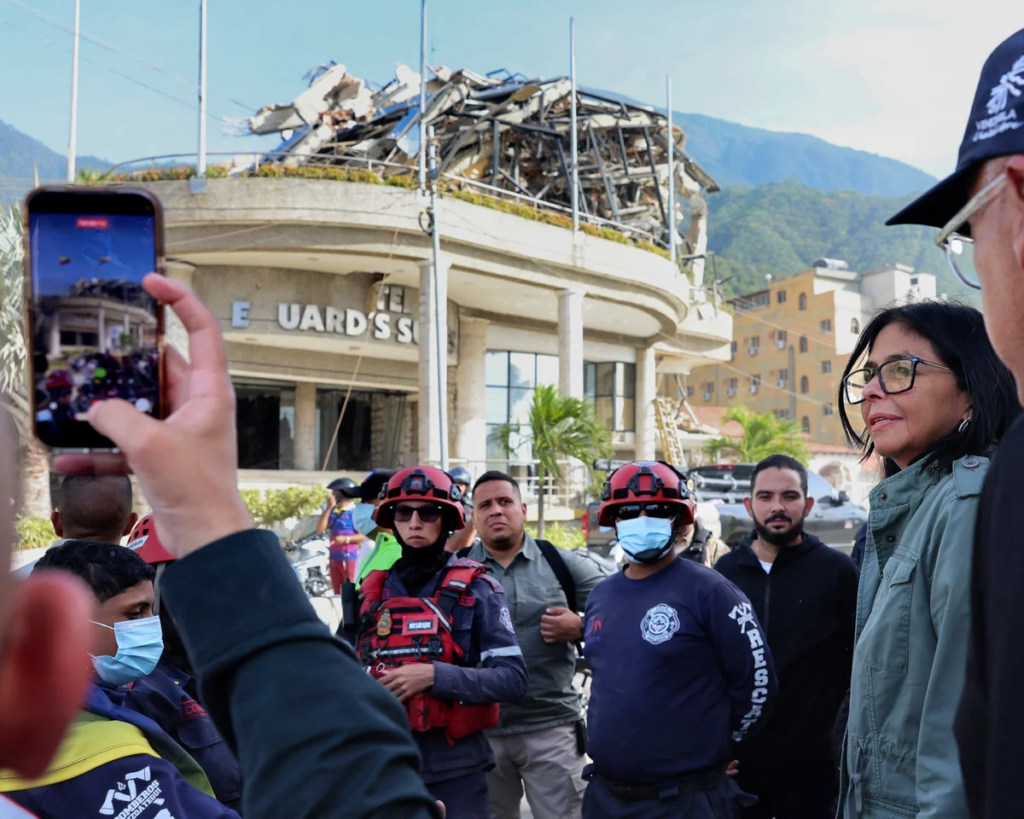
Entire residential neighborhoods suffered severe damage, with apartment buildings, hospitals, schools, roads, and public infrastructure either collapsing or becoming unsafe. Coastal communities and areas near Caracas experienced some of the worst destruction.
According to official figures, the disaster has claimed more than 1,700 lives, injured over 5,000 people, and displaced thousands of families. Authorities also continue searching for tens of thousands of people who remain unaccounted for as rescue operations proceed.
In response to the catastrophe, the United States has significantly expanded its humanitarian assistance.
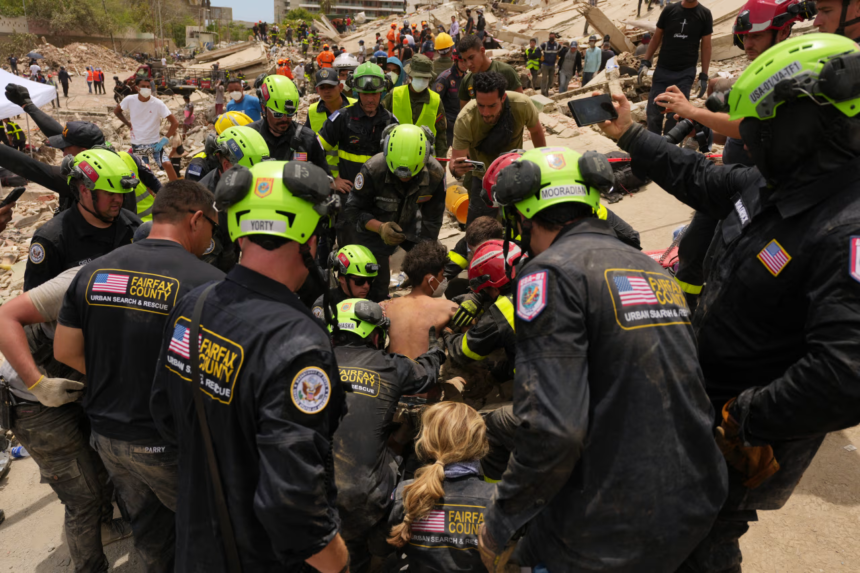
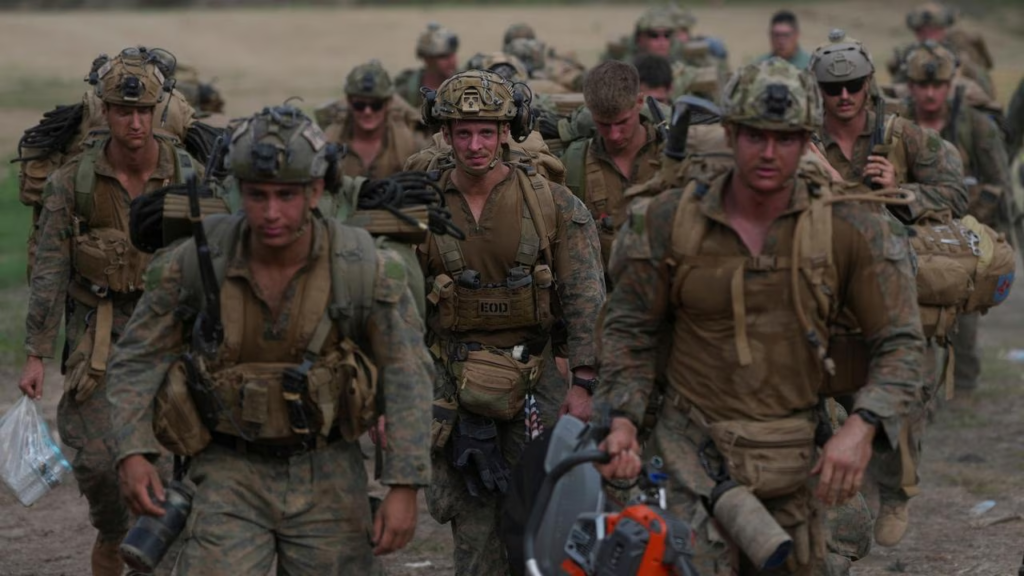
American search-and-rescue specialists, military logistics experts, engineers, and disaster-response personnel have been deployed to assist local authorities. U.S. teams have helped restore airport and port operations, establish field hospitals, improve communications, and transport emergency supplies into affected regions.
Washington has also announced approximately $300 million in humanitarian assistance to support rescue operations, emergency medical care, shelter, food distribution, and longer-term recovery efforts.
Officials have emphasized that the aid is intended to address urgent humanitarian needs and support disaster victims regardless of political differences.
Despite the growing international response, many Venezuelans have expressed dissatisfaction with the government’s handling of the emergency.
Residents in several of the hardest-hit communities say rescue teams and essential equipment arrived slowly during the crucial first days after the earthquakes. Survivors have reported relying heavily on neighbors, volunteers, and local community groups to rescue trapped victims before professional assistance reached affected neighborhoods.
Some residents also criticized shortages of heavy machinery, medical supplies, ambulances, temporary shelters, and emergency personnel.
These concerns have fueled broader criticism of government preparedness and disaster management capabilities.
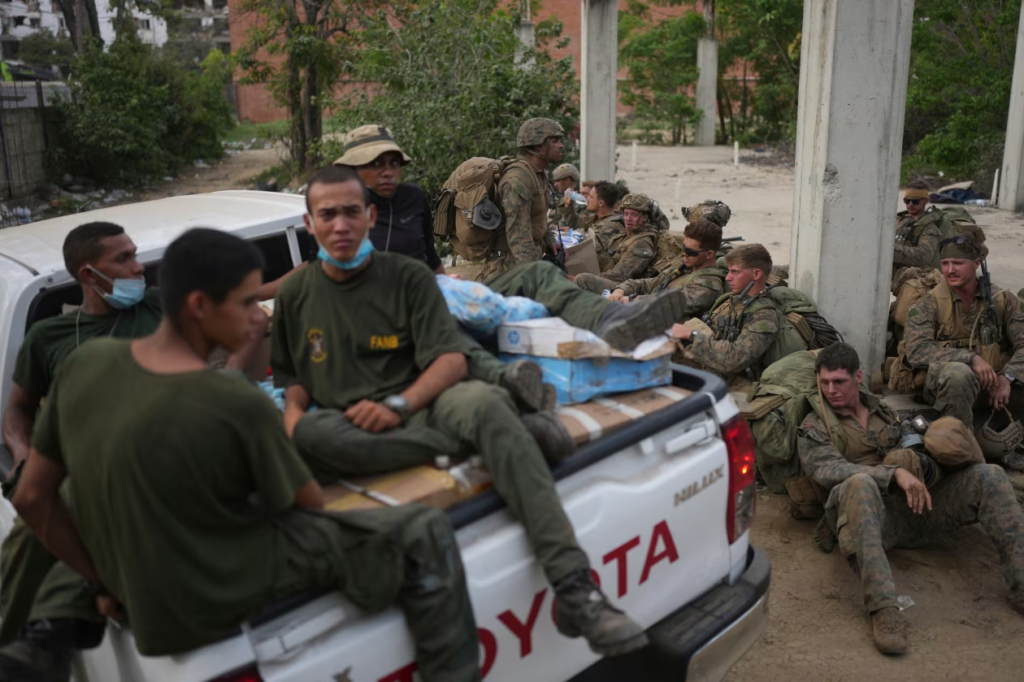
Search-and-rescue efforts remain underway despite difficult conditions.
Emergency crews from Venezuela and multiple international partners continue using specialized equipment to search collapsed buildings for survivors.
Aftershocks have complicated operations, forcing rescue teams to temporarily suspend work in some locations because of concerns about unstable structures.
Although the likelihood of finding additional survivors decreases as time passes, rescue officials continue to respond to reports of possible signs of life beneath the rubble.
The humanitarian response has unfolded amid a politically sensitive environment.
The close coordination between U.S. officials and Venezuela’s current leadership has drawn mixed reactions. Some analysts argue that cooperation is essential during a humanitarian emergency, while others worry that it could generate political controversy among Venezuelan opposition supporters and international observers.
Several critics have questioned whether emergency cooperation could influence perceptions of the country’s political leadership, while others insist that disaster relief should remain separate from political disputes.
Observers note that balancing humanitarian priorities with political realities remains one of the most significant challenges facing relief efforts.
The earthquakes caused extensive damage to transportation and public infrastructure.
Major roads, bridges, ports, and utility networks suffered varying degrees of destruction, making it difficult to deliver aid quickly to isolated communities.
Power outages, damaged communication systems, and disruptions to water supplies have complicated relief operations and increased hardship for displaced families.
International engineering teams are working alongside Venezuelan authorities to restore essential infrastructure needed for relief distribution.
As rescue operations gradually transition into recovery efforts, humanitarian needs continue to increase.
Thousands of families remain without permanent shelter after losing their homes. Emergency shelters have been established in schools, sports facilities, and temporary camps, while humanitarian organizations continue distributing food, drinking water, blankets, hygiene supplies, and medicines.
Aid agencies warn that prolonged displacement could increase the risk of disease outbreaks, particularly where sanitation and clean water remain limited.
International organizations continue appealing for additional financial support to sustain long-term recovery operations.
The disaster has intensified calls for improved disaster preparedness and institutional accountability.
Critics argue that stronger building-code enforcement, investment in emergency infrastructure, and better disaster planning could reduce the impact of future natural disasters.
Some residents have also questioned whether decades of underinvestment in public infrastructure contributed to the scale of the destruction.
Government officials have pledged to investigate structural failures and review reconstruction policies once emergency operations are completed.
More than 30 countries and numerous humanitarian organizations have contributed personnel, equipment, and emergency supplies to Venezuela.
International assistance includes medical teams, search dogs, heavy rescue equipment, temporary shelters, water purification systems, and technical specialists.
The United Nations and humanitarian agencies continue coordinating relief activities to ensure assistance reaches the communities most affected by the disaster.
Experts caution that rebuilding damaged cities will likely require years of sustained international cooperation.
Although immediate rescue operations remain a priority, Venezuela now faces an enormous reconstruction challenge.
Housing, healthcare facilities, schools, transportation infrastructure, and public utilities will require extensive repairs or complete rebuilding.
Economic pressures, combined with the humanitarian emergency, could complicate recovery efforts in the months ahead.
Analysts believe international financial assistance, transparent reconstruction planning, and effective coordination between domestic and international agencies will be critical to rebuilding affected communities.
Relief organizations emphasize that the coming weeks will determine how effectively Venezuela transitions from emergency response to long-term recovery.
Authorities continue urging citizens to follow official guidance while humanitarian agencies focus on restoring basic services, supporting displaced families, and strengthening healthcare systems.
The earthquakes have highlighted both the importance of rapid international assistance and the challenges of responding to large-scale natural disasters amid political uncertainty.