Bangladesh Election Results 2026 LIVE: 5 Key Highlights as Muhammad Yunus Congratulates Tarique Rahman on Landslide Victory
Bangladesh Election Results 2026 LIVE: Muhammad Yunus congratulates Tarique Rahman after a stunning landslide victory, marking a major political shift and triggering strong global reactions
The Bangladesh Election Results 2026 have sent shockwaves across South Asia, marking one of the most dramatic political turnarounds in the nation’s modern history. In a defining moment for the country’s democracy, Nobel laureate and economist Muhammad Yunus publicly congratulated opposition leader Tarique Rahman following what is being widely described as a landslide electoral victory. The result signals a major shift in political power and could reshape the future trajectory of Bangladesh both domestically and internationally.
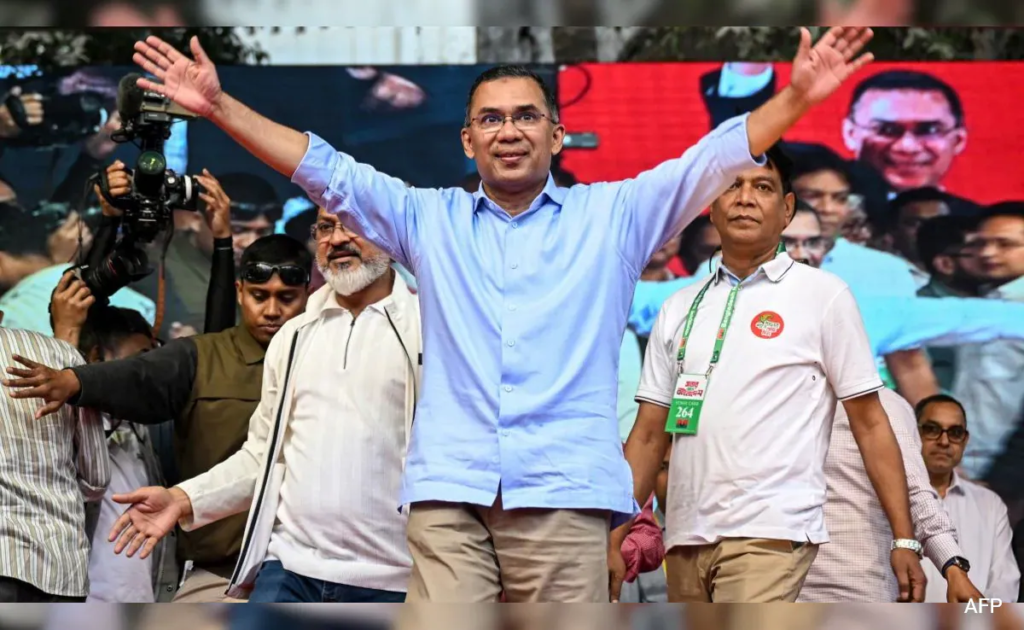
The 2026 general elections were widely seen as a referendum on the country’s political direction after years of intense polarization. Voter turnout reportedly reached record levels, with millions casting ballots across urban and rural constituencies. Early counting trends indicated a sweeping victory for the opposition, and by late evening, the scale of the outcome had become undeniable.
Tarique Rahman’s party, the Bangladesh Nationalist Party (BNP), dominated in several key regions, including Dhaka, Chittagong, and Khulna. Analysts say the breadth of the win reflects deep public dissatisfaction with economic pressures, governance concerns, and demands for political reform.
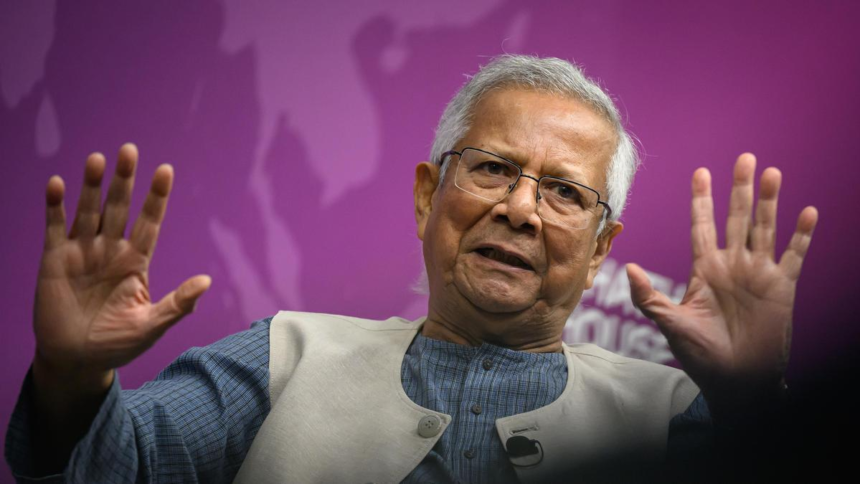
One of the most notable reactions came from Muhammad Yunus, who issued a congratulatory message shortly after trends confirmed the opposition’s dominance. Yunus, globally respected for his work in microfinance and social entrepreneurship, emphasized the importance of democratic values and peaceful transition of power.
In his statement, Yunus reportedly called the results “a moment of renewal,” urging political stakeholders to prioritize unity, institutional reforms, and inclusive development. His message carried significant weight, not only because of his stature within Bangladesh but also due to his influence on the global stage.
Political observers noted that Yunus’ acknowledgment of the victory may play a key role in legitimizing the transition process, especially amid heightened tensions between rival camps.
Preliminary results suggest that the BNP secured a commanding majority, far exceeding pre-election projections. Several factors contributed to the landslide:
- Youth Vote Surge – Younger voters turned out in large numbers, driven by unemployment concerns and demands for digital-era reforms.
- Urban Swing – Major metropolitan areas witnessed a sharp shift away from the ruling establishment.
- Coalition Support – Smaller opposition alliances consolidated behind Rahman, creating a unified electoral front.
- Economic Concerns – Inflation and currency volatility became central election issues.
- Diaspora Influence – Overseas Bangladeshis amplified campaign messaging through social media networks.
Together, these factors created a perfect storm that reshaped the electoral map.
The election outcome represents a setback for the long-dominant Awami League, once led by former Prime Minister Sheikh Hasina. While the party retained pockets of support, especially in rural strongholds, its nationwide performance fell short of expectations.
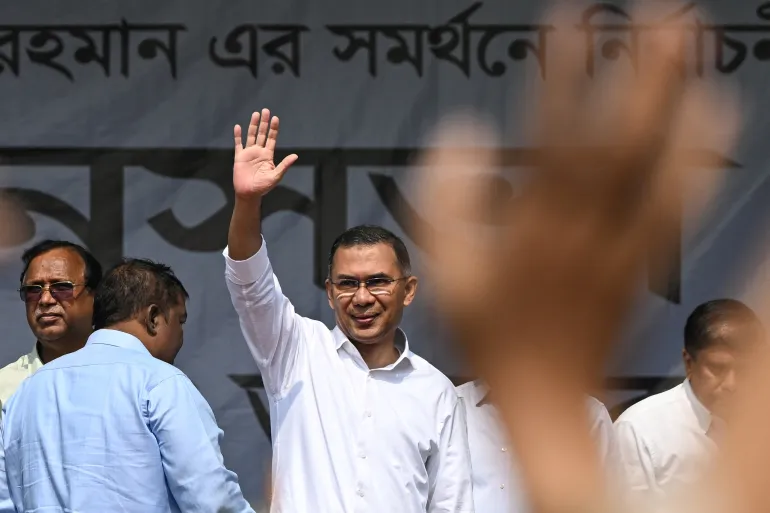
Several analysts argue that fatigue with prolonged incumbency, allegations of centralized governance, and growing civil society pressure contributed to the decline. Internal party divisions and a fragmented campaign strategy may have also weakened its electoral positioning.
The dramatic results have drawn widespread international attention. Global leaders, regional governments, and diplomatic missions are closely monitoring developments as Bangladesh prepares for a potential leadership transition.
South Asian neighbors were among the first to respond, emphasizing stability and continuity in bilateral ties. Western governments also issued cautious statements highlighting the importance of a peaceful and transparent transition.
Economists are particularly watching the developments closely, as Bangladesh has emerged as a major manufacturing hub and a critical player in global textile supply chains. Political stability will be key to sustaining investor confidence and export momentum.
While the landslide victory gives Tarique Rahman a strong mandate, experts warn that the road ahead will not be easy. The incoming leadership is expected to face several immediate challenges:
- Economic Stabilization: Addressing inflation, currency fluctuations, and employment generation.
- Institutional Reforms: Strengthening electoral institutions and governance transparency.
- Foreign Policy Balancing: Maintaining strong ties with global powers while preserving regional autonomy.
- Social Cohesion: Healing political divisions after years of intense rivalry.
- Digital Governance: Adapting public systems for a rapidly evolving digital economy.
Delivering on campaign promises will be critical to maintaining public trust in the months ahead.
Many political analysts believe the 2026 elections could mark a turning point for Bangladesh’s democratic evolution. The scale of voter participation and the decisive verdict reflect a politically engaged electorate demanding accountability and change.
Civil society groups have welcomed the peaceful conduct of voting in many regions, though some watchdogs have called for transparency in final result verification and post-election processes. Election observers have emphasized the importance of maintaining democratic norms during the transition phase.
Muhammad Yunus’ congratulatory message has taken on symbolic significance in the post-election narrative. Known for advocating grassroots empowerment and ethical leadership, Yunus represents a bridge between Bangladesh’s domestic political ecosystem and the global community.
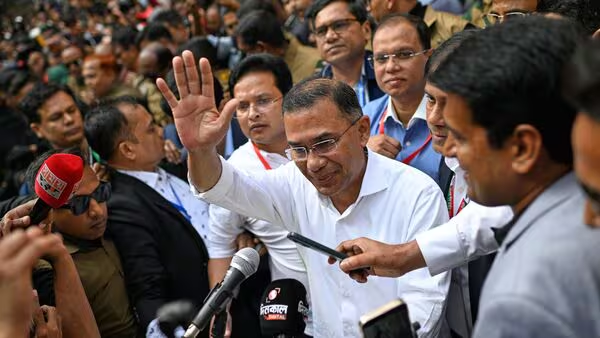
By acknowledging the outcome early, Yunus may help foster confidence among international stakeholders and investors. His endorsement also underscores the importance of unity at a time when political rhetoric could easily inflame divisions.
As final results continue to be tallied, attention will shift toward government formation and policy direction. Key questions remain:
- How quickly will a new administration be formed?
- Will there be calls for reconciliation or coalition governance?
- How will economic policies shift under new leadership?
- What reforms will be prioritized in the first 100 days?
The answers to these questions will define the next chapter of Bangladesh’s political story.
On the ground, reactions from citizens have been a mix of celebration and cautious optimism. Supporters of the BNP have taken to streets in several cities, waving party flags and celebrating what they see as a democratic victory. At the same time, many citizens are urging restraint and unity, emphasizing the need for stability and development.
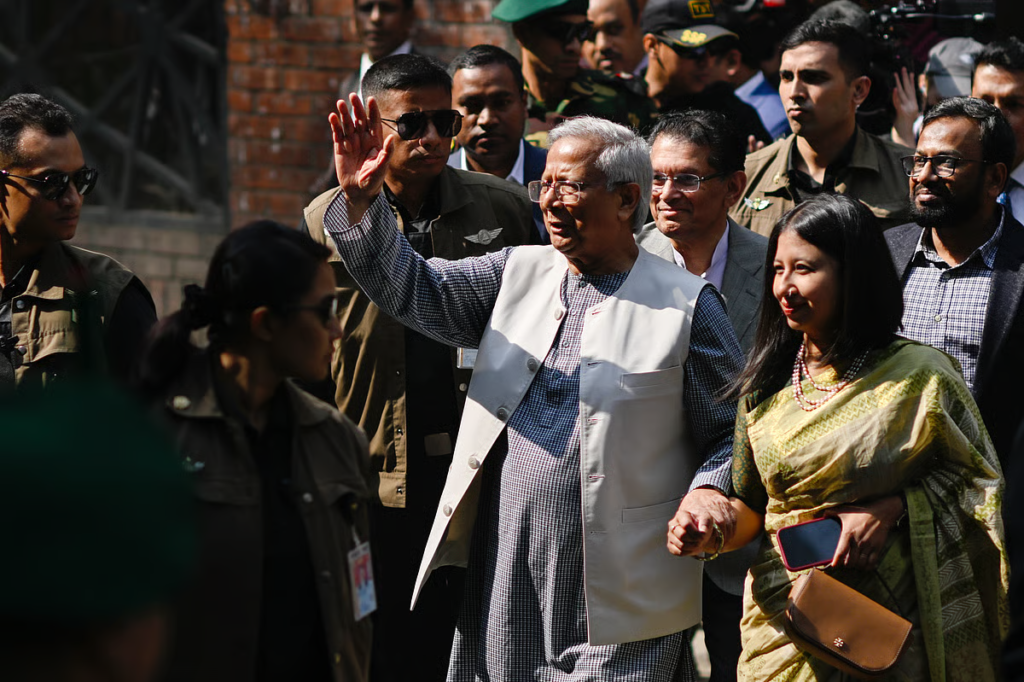
Social media platforms have been flooded with reactions, analysis threads, and viral videos capturing emotional moments from across the country. From jubilant crowds to reflective commentary by academics and journalists, the election has dominated the national conversation.