Dalai Lama’s 15th Rebirth to Happen Abroad – China Power Struggle Intensifies in 2025
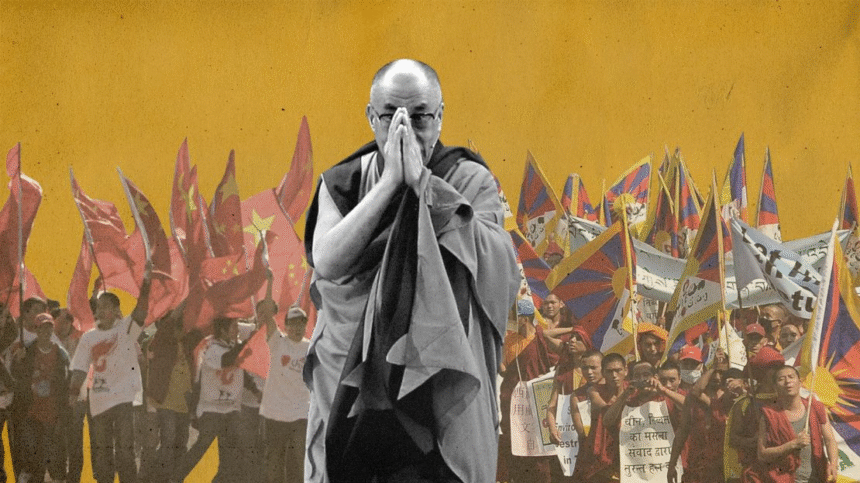
Dalai Lama confirms plans for reincarnation outside China, setting the stage for a major geopolitical and spiritual shift in 2025. Beijing’s influence challenged
In a landmark statement ahead of turning 90 on July 6, 2025, Tibet’s spiritual leader, the 14th Dalai Lama, reaffirmed that the centuries-old institution of the Dalai Lama will continue after his death. Crucially, he declared that the search for his successor will be carried out exclusively by the India-based Gaden Phodrang Trust—not by any external authority—ensuring the next incarnation will be born outside China
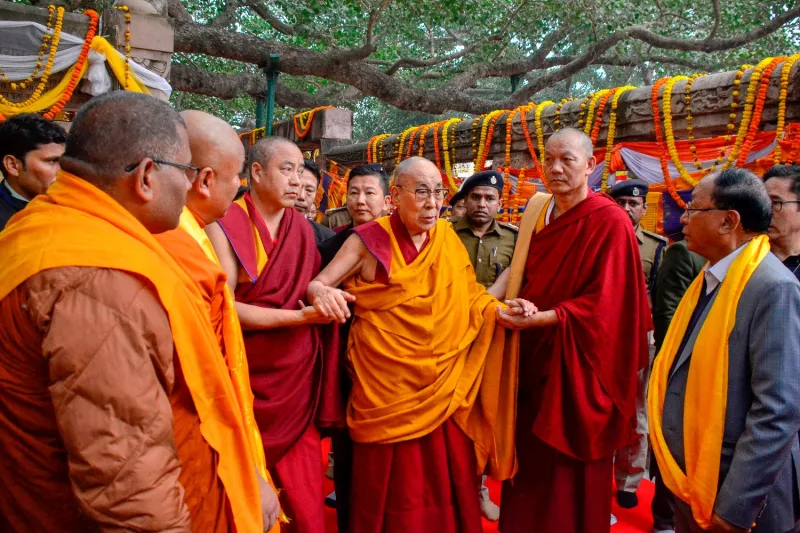
ole of the Dalai Lama: Traditionally regarded as the embodiment of Avalokiteshvara—the Bodhisattva of Compassion—the Dalai Lama’s reincarnation is a deeply spiritual ritual linked to visions, divination, and monastic consensus .
Institutional Continuity: After considerable public debate, he confirmed that the institution will continue—contrary to earlier speculation about ending the lineage with him. That decision aligns with his long-standing intention: revisit the issue at age 90, in consultation with Tibetan elders, religious leaders, and global followers
According to his memoir Voice for the Voiceless, released in early March 2025, the new Dalai Lama “will be born in the free world”—a conscious decision to preserve the spiritual mission of compassion outside the control of repressive regimes
His stated purpose:
“Since the purpose of a reincarnation is to carry on the work of the predecessor… the new Dalai Lama will be born in the free world so that the traditional mission… will continue”
Gaden Phodrang Trust: Established in 2015 by the Dalai Lama himself, this India-based body will have sole authority to locate and recognize the successor. No other state or entity—including China—has any say in the process
Historical tradition: Recognition involves consultations with senior religious figures across Tibetan traditions and other established procedures passed down for centuries
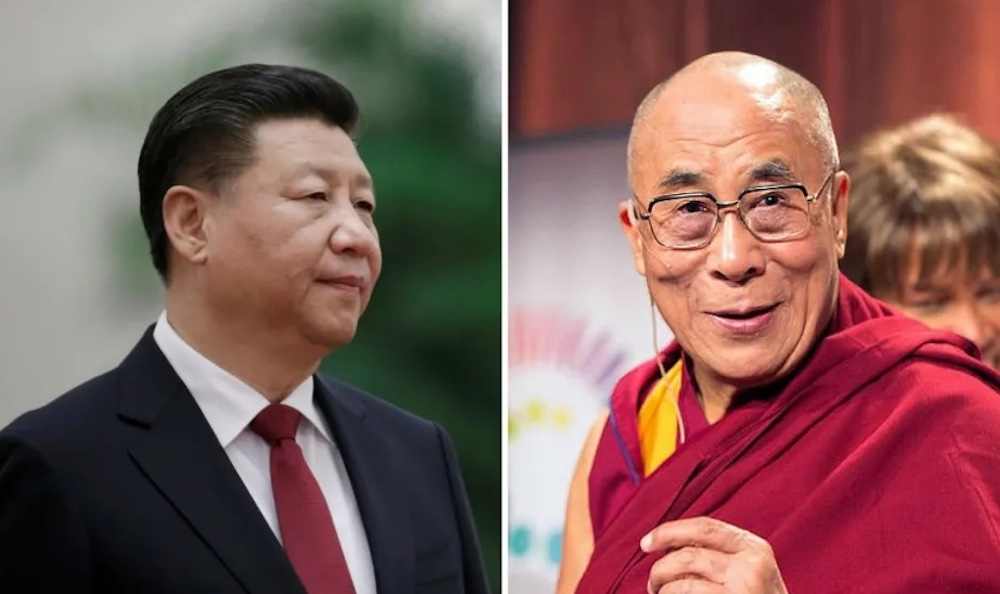
Beijing claims exclusive legal jurisdiction to identify the Dalai Lama’s reincarnation, insisting it must occur within China—and be state-approved
Legal basis: China’s 2007 “Measures on the Management of Reincarnation” mandate state approval and birth on Chinese soil
Golden Urn process: Revived by Beijing during Qing rule in the late 1700s, it is now enforced within Chinese-controlled reincarnations
Past Panchen Lama saga: When the Dalai Lama recognized Gedhun Choekyi Nyima in 1995 as the 11th Panchen Lama, Beijing detained him and installed a state-approved child—an act widely condemned by Tibetans
Observers fear a scenario where two finalists emerge—one recognized by exile authorities abroad and another installed by Beijing. This parallels the Panchen Lama split and risks dividing Tibetan Buddhism further
Exiled leadership: Penpa Tsering, President of the Tibetan government-in-exile, termed Beijing’s claims “blasphemous,” emphasizing that only the Dalai Lama and his spiritual circle have the right to decide his rebirth
Global Tibetan demand: For over a decade, requests—from Tibetans inside and outside Tibet—have urged him to preserve the institution of Dalai Lamas, prompting his confirmation
Heightened China-Tibet friction: Beijing will likely tighten religious oversight in Tibetan regions, wary of an external spiritual authority
Diplomatic implications: Western nations supporting the Dalai Lama’s autonomy could inflame the Sino-Tibetan standoff, especially amid high-level bilateral meetings.
Global Buddhist dynamics: Tibetan communities in India, Nepal, Mongolia, Russia, and the diaspora will align with the India-based reincarnation process .
Spiritual freedom vs. authoritarian control: It’s not just a religious dispute, but a profound statement about who controls Tibet’s spiritual destiny.
Tibet’s identity struggle: Amid escalating Sinicization efforts, the reincarnation becomes a powerful emblem of cultural and religious preservation .
Global diplomacy: Many countries view the Dalai Lama as a symbol of peaceful resistance; China’s attempt to hijack his succession could draw international criticism.
Formal instruction: At age 90, the Dalai Lama promised to issue detailed written guidance on timing, procedure, and criteria
China’s countermove: Expect Beijing to publicize its version of legitimacy, drawing on state regulators and manipulated rituals .
Global stake: How major powers and international institutions react—by affirming religious self-determination or acquiescing to China—could shape the outcome.
The Dalai Lama’s declarations mark a pivotal stance: spiritual autonomy must prevail over state control.
Reincarnation on Tibetan terms isn’t just tradition—it’s an assertion of self-governance, cultural survival, and global conscience.
As he turns 90, the world is watching whether the next Dalai Lama will be a figure of spiritual continuity—or a battleground for political control.
Read Also : Diljit Dosanjh’s ‘Sardaar Ji 3’ Scored A Big Opening Overseas