“Jai Ho” Moment: 1 Powerful Mumbai Roadshow — PM Narendra Modi Rides with French President Emmanuel Macron in Mumbai
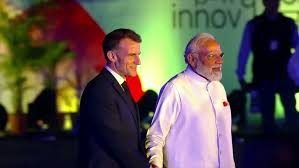
PM Narendra Modi and French President Emmanuel Macron share a historic Mumbai roadshow marked by chants of “Jai Ho,” showcasing 1 powerful moment of India–France ties in Mumbai
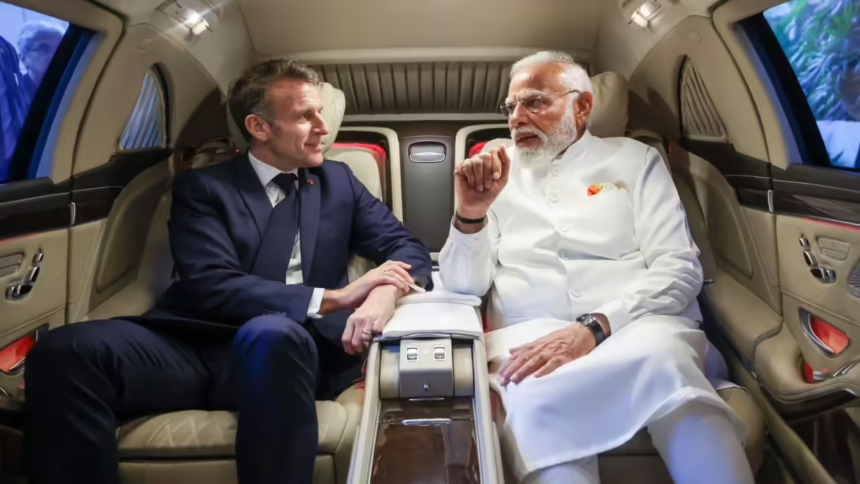
In a spectacular display of diplomacy blended with public warmth, Prime Minister Narendra Modi and French President Emmanuel Macron shared a high-profile roadshow through the heart of Mumbai — a moment that many observers are already calling one of the most powerful visual statements of India–France friendship in recent years. As chants of “Jai Ho” rang out from enthusiastic crowds lining the streets, the joint appearance became more than a ceremonial ride; it transformed into a symbol of strategic trust, cultural admiration, and a shared global vision.
The atmosphere in Mumbai was electric. From the city’s bustling avenues to iconic waterfront stretches, thousands gathered to witness the rare sight of two world leaders riding together in an open display of camaraderie. Security was tight, but the mood remained celebratory. Traditional music, tricolour flags, and posters welcoming President Macron reflected both the vibrancy of Mumbai and the warmth extended to France’s head of state.
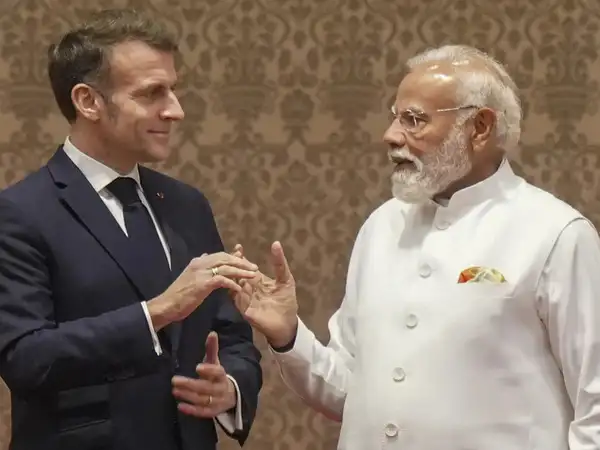
For Prime Minister Modi, who has often emphasized people-centric diplomacy, the roadshow underscored India’s openness and confidence on the global stage. For President Macron, it marked a significant gesture of respect and partnership — one that demonstrated how France values its relationship with India not merely as a strategic ally but as a trusted friend.
While the visuals of the car ride dominated headlines, the symbolism carried deep geopolitical weight. India and France share a long-standing strategic partnership covering defence, space cooperation, climate action, and trade. Over the years, bilateral ties have expanded into advanced technology, renewable energy, maritime security, and Indo-Pacific cooperation.
France has consistently supported India’s strategic autonomy, including its push for greater representation in global institutions. India, in turn, views France as a reliable European partner in times of shifting global alliances. The joint roadshow in Mumbai highlighted this robust diplomatic architecture, reinforcing that the partnership rests on both institutional frameworks and personal rapport between leaders.
Choosing Mumbai for the roadshow was significant. As India’s financial capital and a symbol of resilience and growth, Mumbai represents economic ambition and global connectivity. The city has long been a gateway for foreign investment and international collaboration.
By riding together through Mumbai’s streets, Modi and Macron sent a strong message to global investors: India–France cooperation is not confined to official meeting rooms; it extends into real economic engagement. French companies have invested heavily in sectors such as urban infrastructure, transport, defence, and clean energy across India. Likewise, Indian firms continue to explore European markets with France as a key entry point.
The India–France partnership is often described as one of the most stable defence collaborations in the world. Over decades, the two nations have built trust through defence procurement, joint exercises, and technology sharing.
- Defence Manufacturing: Collaborative projects and technology transfers have strengthened India’s self-reliance goals.
- Maritime Security: Both nations share interests in maintaining stability in the Indo-Pacific region.
- Aerospace and Innovation: Joint research initiatives and satellite programs underline the depth of scientific engagement.
The optics of the Mumbai roadshow reinforced that these pillars are supported by political will at the highest level.
India and France have also partnered on climate action, most notably through global renewable energy initiatives. France has actively supported India’s clean energy ambitions, recognizing the country’s critical role in global climate solutions.
During Macron’s visit, discussions reportedly touched upon expanding green hydrogen cooperation, solar alliances, and sustainable urban development. With Mumbai itself facing climate challenges such as rising sea levels and urban congestion, the symbolism of climate collaboration carried added resonance.
One of the most striking elements of the Mumbai roadshow was the cultural enthusiasm visible on the streets. Local artists, students, and community leaders joined the welcome, reflecting the cultural bridge between India and France.
France has long celebrated Indian art, cinema, and literature, while Indian audiences have embraced French culture, fashion, and culinary heritage. Cultural exchanges, educational partnerships, and tourism flows have strengthened people-to-people connections over decades.
The chants of “Jai Ho” during the roadshow captured this emotional dimension. It was not just a diplomatic greeting; it was a shared celebration of friendship.
Visual Diplomacy Matters: The roadshow showcased how public engagement can enhance diplomatic messaging.
Strategic Trust Is Strong: Defence and technology ties remain central to the partnership.
Economic Momentum Continues: Mumbai’s role highlighted trade and investment ambitions.
Climate Cooperation Expands: Joint sustainability goals are gaining traction.
Personal Rapport Counts: The chemistry between Modi and Macron reinforces policy continuity.
In a world marked by geopolitical shifts, India–France ties offer a model of stable and mutually respectful partnership. Both nations advocate for multipolarity and strategic independence, often aligning on issues such as maritime freedom and counter-terrorism.
The Mumbai roadshow symbolized more than bilateral warmth; it projected a message of confidence to the global community. At a time when alliances are being tested, the image of two leaders sharing a public ride conveyed stability and forward-looking collaboration.
Images and videos from the event quickly went viral, trending across social media platforms. Citizens praised the spectacle as a proud diplomatic moment. Political commentators described it as a masterstroke in soft diplomacy, blending optics with substance.
Supporters highlighted how such gestures strengthen India’s global brand, while analysts noted that France’s continued engagement with India underscores Europe’s recognition of India’s growing influence.
Beyond symbolism, concrete economic agreements are expected to follow such high-profile visits. Infrastructure development, smart city initiatives, and high-speed transport projects remain areas of interest.
Mumbai, with its expanding metro networks and coastal road projects, provides fertile ground for international collaboration. French expertise in urban planning and transport systems could play a crucial role in shaping future projects.
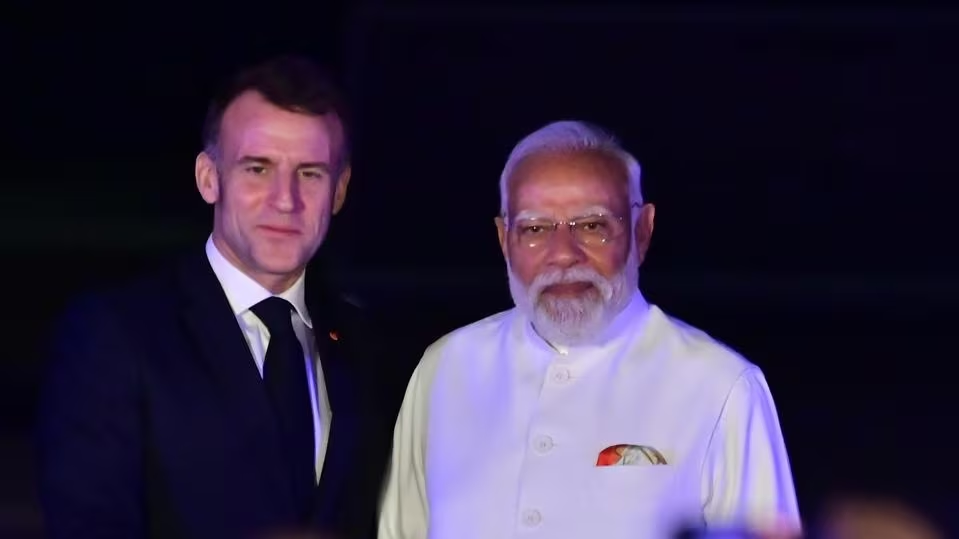
Diplomatic roadshows are rare, but when they happen, they leave a lasting impression. The Modi-Macron ride in Mumbai will likely be remembered as a defining visual of India–France relations in this decade.
The energy of the crowds, the symbolism of unity, and the strategic discussions behind closed doors together created a multi-layered narrative: one of trust, ambition, and global partnership.