Mumbai Crackdown 2026: 7 Powerful Actions Deputy CM Eknath Shinde Vows to Eliminate Illegal Bangladeshi Infiltrators & Drug Networks
Deputy CM Eknath Shinde announces 7 strong measures to make Mumbai free from illegal Bangladeshi infiltrators and drug networks, outlining a zero-tolerance security crackdown across the city
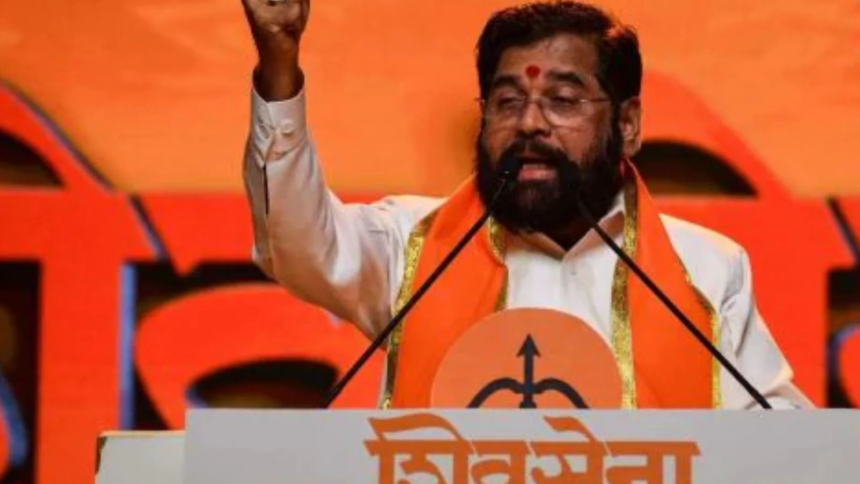
Mumbai, India’s financial capital, is set to witness a major security overhaul following a strong statement by Maharashtra Deputy Chief Minister Eknath Shinde, who announced an aggressive multi-pronged drive to make the city free from illegal Bangladeshi infiltrators and drug syndicates. The declaration signals a zero-tolerance approach toward unauthorized immigration and narcotics trafficking, two issues the government says pose serious challenges to urban safety and governance.
The announcement comes amid growing political debate over border security, internal migration controls, and the rising concern over narcotics networks operating in metropolitan hubs. Shinde’s remarks indicate that the state government is preparing to launch coordinated enforcement measures involving law enforcement agencies, intelligence units, and civic authorities.
Here is a detailed look at the 7 key measures and the broader implications of this proposed crackdown.
One of the first measures highlighted involves large-scale verification drives to identify undocumented foreign nationals residing in Mumbai. Officials are expected to conduct coordinated document checks in high-density localities, construction zones, and informal settlements.
Authorities have emphasized that verification processes will follow legal protocols. The aim, according to government sources, is to identify individuals without valid documentation and initiate due legal action under relevant immigration and citizenship laws.
To combat both illegal infiltration and drug trafficking, the government plans to expand intelligence coordination between state police, anti-narcotics units, and central agencies. Surveillance efforts may include enhanced monitoring of transit routes, rental accommodations, and suspected trafficking corridors.
Mumbai’s strategic location as a coastal and commercial hub makes it particularly vulnerable to smuggling networks. Strengthened intelligence-sharing mechanisms are expected to improve early detection and prevent organized criminal activities.
The Deputy CM underscored that narcotics pose a direct threat to youth and public safety. Mumbai has, in recent years, witnessed multiple high-profile drug seizures, prompting renewed focus on dismantling supply chains.
Under the proposed plan, anti-narcotics cells will intensify operations targeting suppliers, distributors, and financiers linked to illegal substances. Authorities are likely to increase undercover operations and cross-border intelligence coordination to track international connections.
The Maharashtra government is expected to work closely with central enforcement bodies to ensure that the crackdown aligns with national security priorities. Immigration enforcement falls under both state and central jurisdiction, making coordination crucial.
Joint task forces may be formed to streamline operations, share intelligence inputs, and conduct synchronized raids where necessary. Officials have stated that such collaboration will ensure legal compliance and avoid jurisdictional conflicts.
Modern policing tools are expected to play a critical role in the operation. Data analytics, biometric verification systems, and digital record integration could help authorities identify patterns and flag suspicious activities.
The integration of digital databases with local police stations may reduce duplication and improve response times. Technology, according to officials, will be central to ensuring efficiency and transparency.
While emphasizing strict enforcement, state officials have also clarified that any action will follow established legal procedures. Deportation, detention, or prosecution processes will adhere to judicial guidelines.
Legal experts point out that immigration-related enforcement requires careful handling to avoid wrongful identification or civil rights violations. The administration has assured that actions will be evidence-based and legally sound.
In addition to enforcement, the government plans to encourage community participation. Citizens will be urged to report suspicious activities through official helplines and digital platforms.
Public cooperation is considered vital in combating both illegal immigration and drug distribution networks. Awareness campaigns may focus on educating residents about verification norms, rental documentation, and anti-drug initiatives.
Shinde’s statement comes at a time when urban security and immigration have become politically sensitive issues. As a senior leader in Maharashtra’s ruling alliance, his remarks reflect a broader emphasis on law and order governance.
Supporters argue that strict action is necessary to safeguard employment opportunities, public safety, and social stability. Critics, however, caution that enforcement campaigns must avoid profiling or stigmatization of specific communities.
The political implications are significant, particularly in a city like Mumbai where demographic diversity is both a strength and a complexity. Balancing security concerns with social harmony will be a key challenge.
Illegal immigration and narcotics trafficking have economic consequences beyond law enforcement costs. Unauthorized labor can distort local wage structures, while drug networks can fuel organized crime and health crises.
At the same time, experts warn that enforcement drives must distinguish between genuine refugees, migrant workers with documentation, and those engaged in unlawful activities. Clear guidelines and transparent communication will be essential.
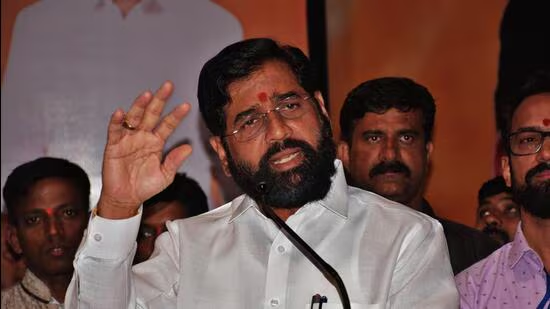
India’s metropolitan cities have seen increased drug seizures in recent years. Mumbai’s port connectivity and international trade links make it a potential transit point.
Authorities believe dismantling networks at early stages is critical to preventing long-term entrenchment. Targeting supply chains rather than only street-level distribution is expected to be a key focus area.
Despite strong announcements, implementing such a sweeping operation comes with challenges:
- Ensuring accurate identification without wrongful targeting
- Managing detention and legal proceedings efficiently
- Preventing disruption to legitimate businesses and workers
- Maintaining communal harmony during enforcement
Security analysts suggest that transparency and phased implementation could reduce friction and enhance public trust.
The coming months will likely determine how effectively these measures are rolled out. Clear standard operating procedures, oversight mechanisms, and regular public updates may strengthen credibility.
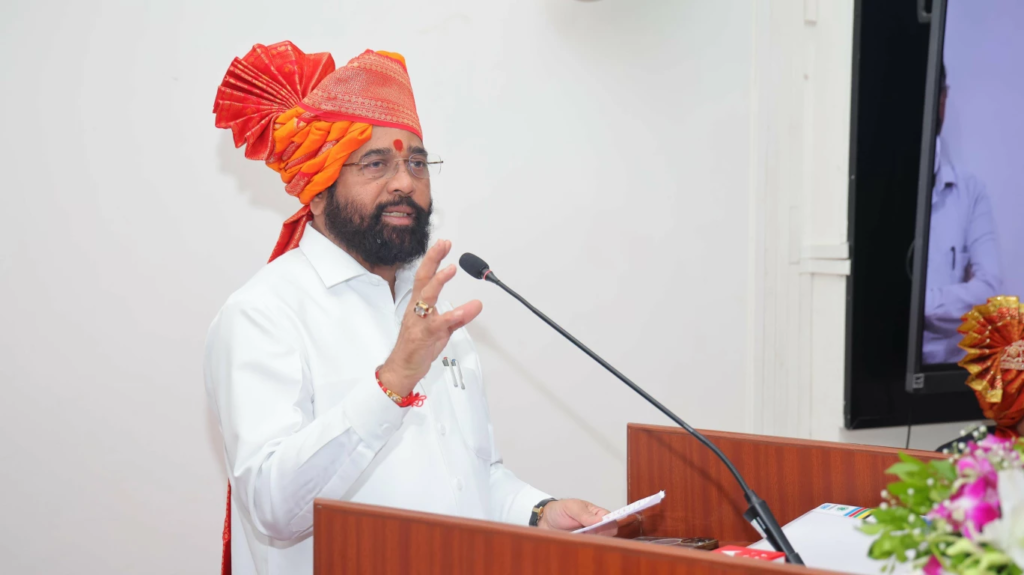
If successful, the initiative could redefine Mumbai’s law enforcement model and set a precedent for other major cities. However, the balance between strict enforcement and constitutional safeguards will remain under close scrutiny.
Read Also : India’s 1st Musical Road Goes LIVE in Mumbai: Hear ‘Jai Ho’ in 12 Seconds as Vehicles Drive Over It