Mumbai News: 1 Massive Anti-Encroachment Drive — BMC Demolishes 100+ Illegal Structures Across Key Zones in Mumbai
BMC launches a massive anti-encroachment crackdown in Mumbai, demolishing 100+ illegal structures across key commercial zones to ease congestion and restore public spaces
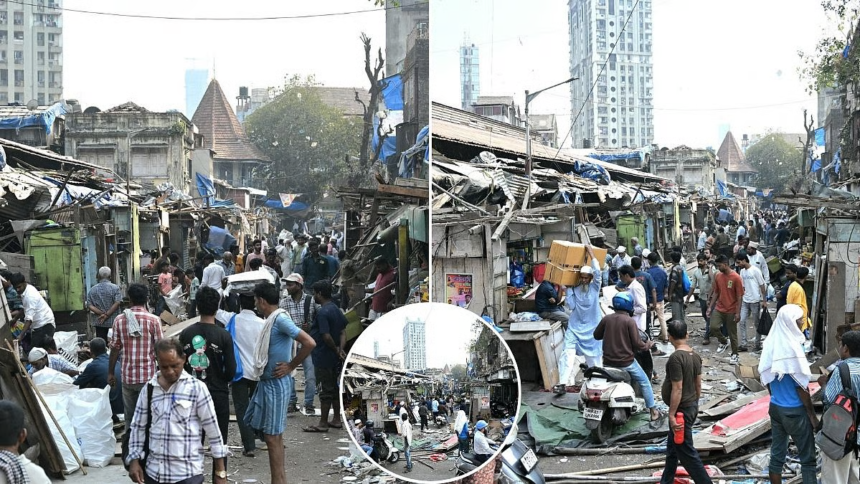
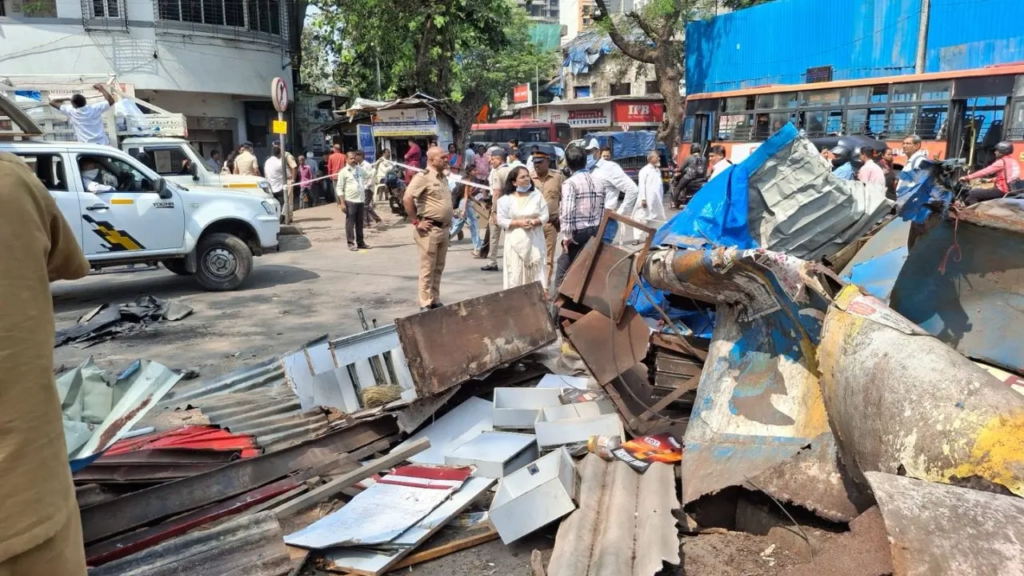
In a sweeping civic action aimed at restoring public spaces and easing congestion, the BMC has intensified its anti-encroachment crackdown across Mumbai, demolishing more than 100 illegal structures in some of the city’s busiest commercial zones. The large-scale operation, conducted over multiple days, reflects the civic body’s renewed push to tackle unauthorized constructions that have long choked footpaths, roads, and marketplaces.
The move has triggered strong reactions from traders, commuters, and urban planners alike, with many hailing it as a long-overdue intervention while others question its timing and implementation. As Mumbai continues to grapple with rapid urbanization and limited public space, the anti-encroachment drive has once again brought the spotlight on civic governance, urban planning, and the challenges of managing India’s financial capital.
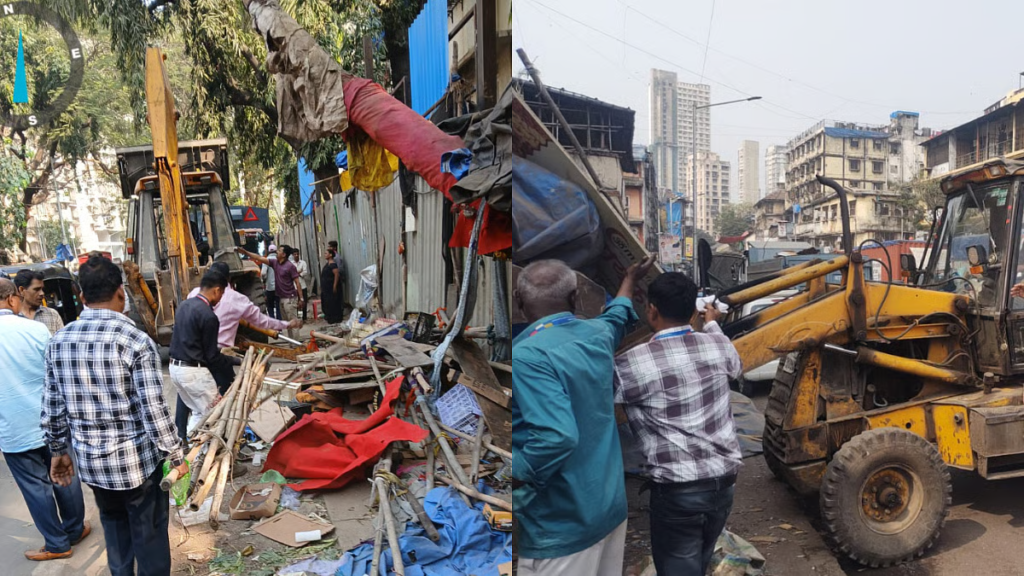
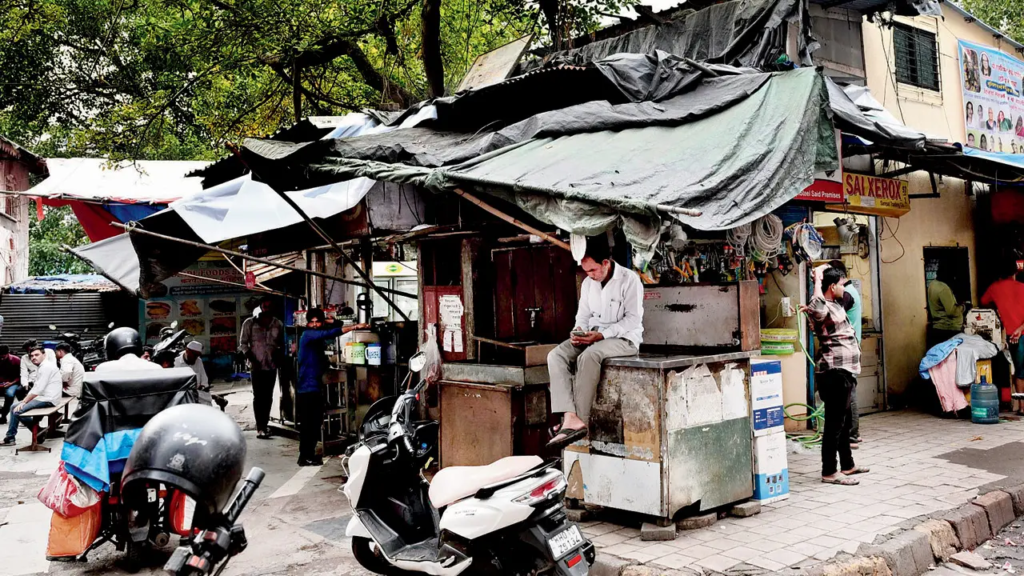
According to officials, the crackdown targeted unauthorized shops, makeshift stalls, illegal extensions of commercial properties, and structures built on footpaths and roadside margins. These encroachments, many of which had existed for years, were blamed for worsening traffic congestion and pedestrian safety concerns.
Teams comprising ward officials, demolition squads, and local enforcement units were deployed simultaneously across multiple commercial districts. Bulldozers and removal units were used to clear unauthorized sheds, kiosks, and illegal hoardings that had encroached upon public land.
Civic authorities described the drive as part of a broader urban discipline campaign aimed at reclaiming footpaths for pedestrians and improving traffic flow in high-density zones.
Encroachment has long been one of Mumbai’s most persistent urban challenges. With limited land availability and high rental costs, informal and unauthorized commercial setups often emerge in busy areas. Over time, these temporary setups expand into permanent structures, leading to disputes between civic authorities and local traders.
Urban planners note that unchecked encroachments create a ripple effect:
- Narrowed roads and bottlenecks
- Increased accident risks for pedestrians
- Drainage blockages during monsoons
- Fire safety hazards in crowded markets
In several cases, illegal constructions also interfere with civic infrastructure such as stormwater drains and underground utilities, compounding the city’s vulnerability during heavy rains.
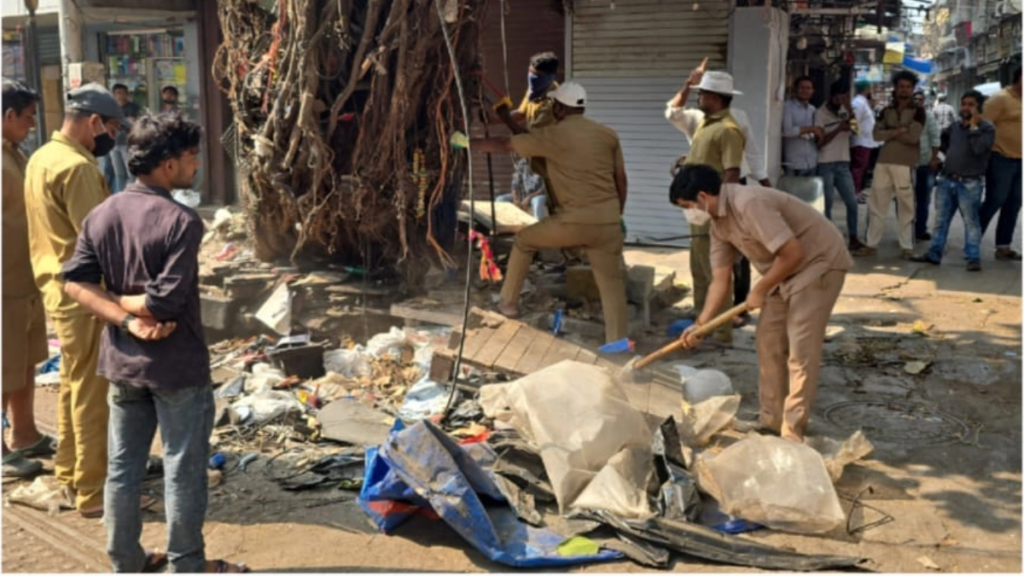
The latest demolition drive focused primarily on high-footfall commercial pockets where encroachments had reached critical levels. These included:
- Market Areas: Dense retail zones where illegal stalls had mushroomed over the years.
- Transit Corridors: Roads near railway stations and metro routes where footpath encroachments slowed pedestrian movement.
- Business Districts: Areas where unauthorized extensions of shops and offices spilled onto public land.
Officials said these zones were prioritized based on complaints from citizens, traffic police inputs, and internal civic surveys.
While many residents welcomed the clean-up effort, sections of the trading community expressed concern over the pace of demolitions. Some shopkeepers claimed they were not given adequate notice before structures were removed.
Local trade associations argued that small vendors often rely on footpath businesses for survival and called for rehabilitation policies. They urged authorities to balance enforcement with economic sensitivity, especially for informal workers.
Civic officials, however, maintained that due notices were issued and that repeated warnings had gone unheeded in many cases. They emphasized that only unauthorized constructions on public land were removed, not legally registered businesses.
For daily commuters and pedestrians, the anti-encroachment drive has brought immediate relief in several pockets. Wider footpaths, improved visibility at intersections, and reduced traffic snarls were among the early benefits reported by residents.
Many citizens took to social media to share before-and-after visuals of cleared areas, praising the administration for taking decisive action. Urban advocacy groups also welcomed the initiative, calling it a necessary step toward reclaiming public infrastructure.
Pedestrian rights activists noted that Indian cities often prioritize vehicles over walkers, and reclaiming footpaths could significantly improve urban mobility and safety.
Urban observers say the civic drive has already produced visible results in targeted zones:
- Improved Walkability: Cleared footpaths have enhanced pedestrian accessibility.
- Better Traffic Flow: Removal of roadside obstructions has eased bottlenecks.
- Enhanced Visibility: Safer intersections and reduced blind spots.
- Cleaner Streetscapes: Reduction in clutter and visual pollution.
- Boost to Civic Authority: Reinforcement of governance credibility.
However, experts caution that sustained enforcement will be key to ensuring long-term success.
Encroachment removal often involves complex legal frameworks. Civic bodies typically rely on municipal laws that prohibit unauthorized occupation of public land. However, implementation frequently leads to legal disputes, especially when affected parties seek relief through courts.
Legal experts point out that courts have generally supported removal of illegal structures but have also emphasized humane enforcement and rehabilitation for vulnerable vendors.
The challenge lies in balancing strict urban regulation with inclusive economic policies that protect livelihoods without compromising public order.
One of the biggest hurdles in anti-encroachment drives is sustainability. Historically, many such drives have yielded temporary results, with illegal structures reappearing months later.
Experts highlight several reasons for this pattern:
- Lack of continuous monitoring
- Political pressures
- Economic dependence on informal trade
- Weak enforcement mechanisms
For lasting impact, civic authorities may need to adopt technology-driven monitoring systems, including surveillance mapping and citizen reporting platforms.
Urban planners argue that encroachment is not merely a law-and-order issue but a symptom of deeper systemic challenges. Rapid migration, high commercial rents, and limited vending zones contribute to the proliferation of unauthorized setups.
Experts recommend multi-pronged solutions, including:
- Designated vending zones
- Transparent licensing frameworks
- Smart urban zoning policies
- Public awareness campaigns
Such measures could help strike a balance between economic activity and urban discipline.
Large-scale demolition drives often carry political significance, especially in a city as influential as Mumbai. Strong civic action can shape public perception of governance effectiveness, particularly ahead of major civic or state-level elections.
Observers say the latest crackdown signals a tougher administrative stance on urban regulation. It also reflects growing public demand for cleaner, safer, and more organized urban spaces.
However, sustained political will will be essential to maintain momentum and resist pressures that often derail such initiatives.
Civic officials have indicated that the current drive is only the beginning of a broader campaign. Future phases are expected to include:
- Regular inspections in high-risk zones
- Integration of digital monitoring tools
- Coordination with traffic and police departments
- Citizen complaint mechanisms
If implemented consistently, these measures could mark a turning point in how the city tackles encroachment.
The anti-encroachment crackdown represents more than a demolition exercise — it is a test of civic discipline and governance. For years, unauthorized constructions have symbolized the challenges of managing an overcrowded metropolis. By taking decisive action, authorities appear determined to reclaim public spaces and restore order.
Yet, the road ahead remains complex. Sustainable urban management will require a blend of strict enforcement, inclusive policies, and long-term planning. Ensuring that cleared spaces remain free from re-encroachment will be the real measure of success.